Water your orchids this way, and you will never water them to death. Learn it and you can do it too
Orchids are beautiful, but keeping them well is not easy either. Flower lovers often ask how to water orchids. In fact, there is no fixed method for watering orchids; you have to explore it through your own practice. Some experienced orchid growers have shared the secret of watering, and they have never watered one to death. Learn it and you can do it too.
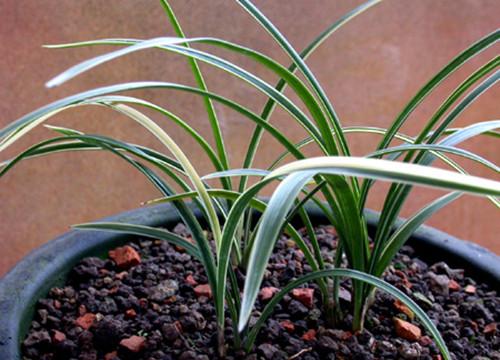
That is to decide based on how dry or moist the orchid potting soil is. When orchid leaves carry out photosynthesis and transpiration, they need the orchid roots to supply sufficient water. The more intense the transpiration, the more water is needed. If the soil lacks water, the orchid roots' water source is cut off, and the lack of water in the roots will be reflected in the leaves and roots, producing some visible subtle signs on the leaves and roots. Therefore, orchid growers can learn about the orchid's water supply by observing the appearance and form of the leaves and roots. The specific methods are as follows:
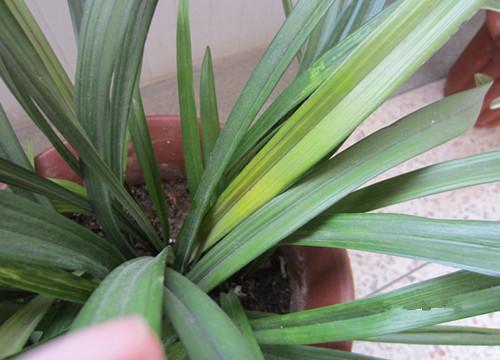
1. Judging by the appearance of the orchid leaves
Whether an orchid needs watering can be judged by the different appearances of its leaves. If the leaves are firm and upright, the potting soil is moderately dry and moist, and no watering is needed; if the orchid leaves are soft and drooping, it indicates mild water shortage, and watering can be temporarily withheld; if the leaves show physiological wilting, it indicates moderate water shortage, meaning the potting soil has dried out and it is a signal that water needs to be replenished, so you must water thoroughly in time; if the leaves are dehydrated, it indicates the plant has lacked water for many days, and it is not suitable to water immediately. You can spray the leaf surfaces every day, and after it eases over 2 to 3 days, then water thoroughly.
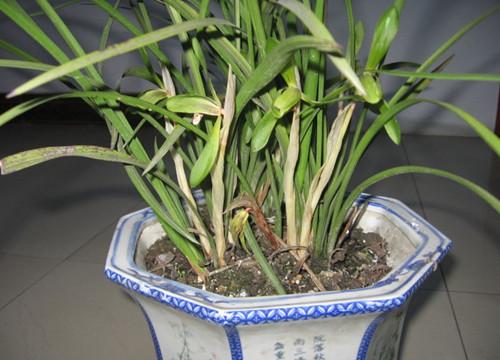
2. Judging by the appearance of orchid roots extending out of the potting soil surface
Whether the potting soil has dried out and whether the orchid needs watering can also be judged by the different appearances of orchid roots extending out of the potting soil surface. If the root color is fresh and tender rather than black, the root skin is white or light gray, the orchid roots feel plump when touched and pinched by hand, and the root tips are crystal bright and transparent, it indicates the orchid roots' water content is appropriate and no watering is needed; if the new roots are slightly shrunken, it indicates the water has dried up and watering is needed immediately; if the orchid roots are black and water-soaked in appearance, it indicates the potting soil is too wet. At this time, do not water again; you can sprinkle dry plant ash on the pot surface to absorb moisture.
This method of measuring moisture is simpler and more accurate than other potting soil moisture measurement methods. The practice of flower lovers shows that using this moisture measurement method to judge and decide whether orchid seedlings need watering rarely goes wrong. It will not cause empty roots from the orchid roots lacking water for a long time, nor will it cause root rot from the potting soil being too wet. So, once you learn it, you do not need to worry about watering your orchids to death. If you like orchids, save it quickly!
Search the WeChat public account: Farming Diary, to get more professional flower-growing knowledge.
WeChat ID: yangzhiriji (long-press to copy)