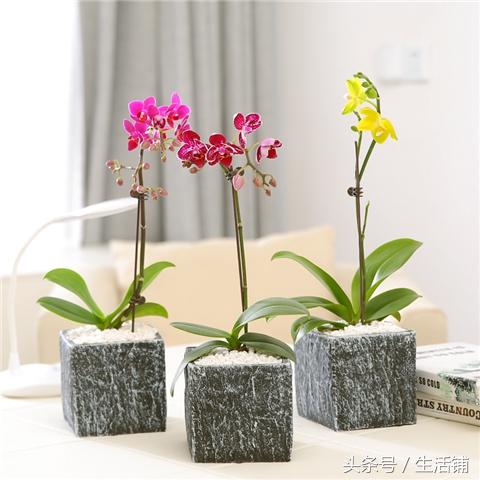
Use the right orchid watering method, and flowers will cover the branches without root rot
Place a few pots of orchids to decorate the room, and you will immediately feel full of life. On the day the flowers bloom, waves of delicate fragrance will make you feel vibrant and completely refreshed. Orchids love to grow in cool, humid environments, and they need sufficient moisture to grow well. Below, the editor will introduce the watering techniques for orchids!
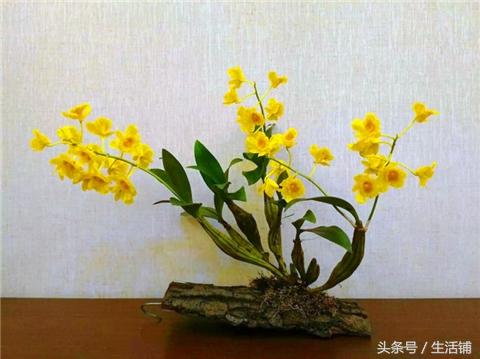
Look at the season
(1) After "Start of Spring," the soil should be kept moist. At noon on clear and mild days, move potted orchids outdoors in batches into the sunlight, wash away accumulated dust on the leaf surface to prevent clogging the stomata, and also use this opportunity to keep the mud layer on the pot surface moist.
(2) After "Awakening of Insects," exposed to wind and sun, the potting soil dries out easily, especially as the new root tips and bud points of the root system begin to sprout, so daily watering should be frequent, but the amount of water should not be too much. (3) After "Start of Summer," at this time the soil moisture should be slightly drier than that of general potted orchids, because after flowering, most have a brief semi-dormant period, with slow growth and less evaporation from the leaf surface.
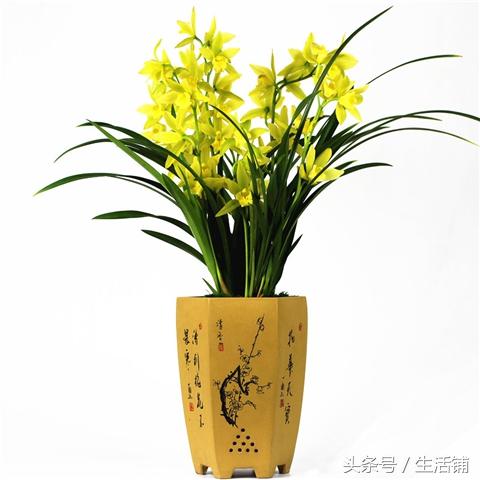
(4) From June onward, the weather gradually becomes hot, so pay more attention to soil moisture, frequently spray the leaves with clean water, and wet the orchid pots to create a certain humid microclimate, which is beneficial for the young plants to elongate and produce leaves. During the yellow plum rainy season, on the contrary, watering should be controlled or the plants should even be moved to a place sheltered from rain; otherwise, black spots and patches (commonly known as partridge spots) often appear on the leaf surface. This disease symptom is most easily suffered on the leaves of the fat-ring grass and plain-heart petal types among spring orchids.
(5) After entering the dog days, it turns into a period of high temperature and intense heat. In addition to strengthening shading, it is also necessary to frequently and carefully maintain a certain soil moisture. If it is found that the humidity inside the shade shed is insufficient, the pot surface dries easily, and the Selaginella uncinata grows old and drooping, then water must be sprinkled on and around the orchid platform, on the walking paths, or on nearby walls to increase moisture and reduce the orchids' internal water consumption.
(6) After "White Dew," the temperature gradually turns cool in autumn. At this time, the amount of irrigation can be reduced, and when the potting soil is found to be dry, it must be watered only to the point of moistening.
(7) After Mid-Autumn, the temperature also often tends to be on the high side, and the air is too dry, so water in the morning and evening. If watering is insufficient, fine cracks often appear in the mud layer in the pot or it separates from the pot wall, and this phenomenon is commonly called "water caltrop dryness" in the Jiangnan region. Orchid pots are most easily damaged, affecting growth; flower buds wither, or the flowers bloom stiffly the next year and the flower stalks shorten.
(8) During late autumn, the new grass of potted orchids has already turned from new green to old deep green, and the large sheaths of the flower buds are all visible. If there is prolonged rain and excessive humidity, black spots are most likely to appear on the new leaves, and the flower buds often show a "rotten sheath" phenomenon. At this time, measures should be taken to avoid rain, or reduce irrigation, and expose them to more sunlight. When the climate gradually turns cold, water once every few days and let them receive full-day sunlight.
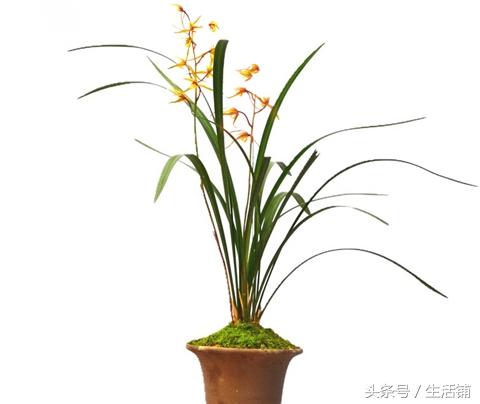
Look at the temperature
(1) Higher temperatures will accelerate the plant's transpiration, so the plant's water demand is greater, and the frequency and amount of watering should be increased accordingly.
(2) Lower temperatures cause water to evaporate slowly, so the water demand is less. This mainly differs by season.
Look at the flower pot
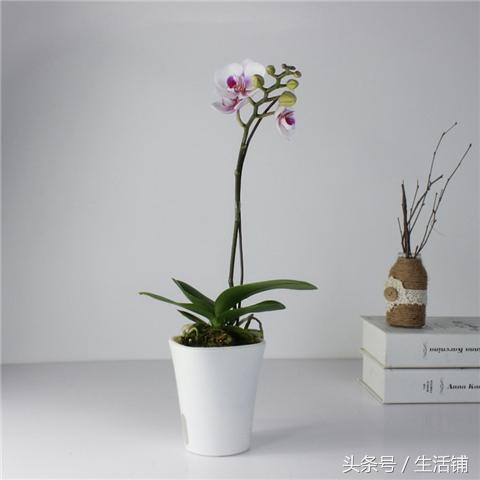
Regardless of the size of the orchid pot, a purple clay plastic pot will not be inferior; it has strong breathability, dries easily, and small pots are easy to water frequently.
Look at the humidity
(1) When air humidity is low, water in the potting soil evaporates quickly, and more water is needed.
(2) When air humidity is high, transpiration will be very weak, so watering should be reduced or not done at all.
Look at the orchid plant
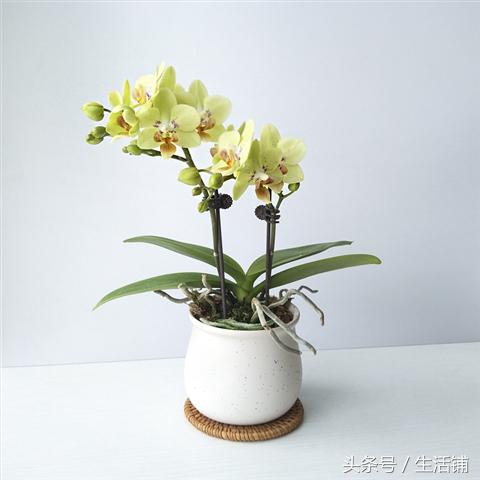
Many vigorous seedlings absorb water quickly, while weak or diseased seedlings need less water.
Look at the weather
Nature is ever-changing. Under different conditions of light, temperature, and humidity, the amount of watering is different. The basic approach is: water more on sunny days, water less on cloudy days, and do not water on rainy days.