How to Grow Lucky Bamboo? Home Growing Methods and Precautions
Lucky bamboo is extremely adaptable and grows well in full sun, partial sun, and shade. It prefers a hot, humid environment with plenty of sunlight. It likes sandy soil, dislikes waterlogging, and is drought-tolerant. Let's take a look at the specific growing methods for lucky bamboo!
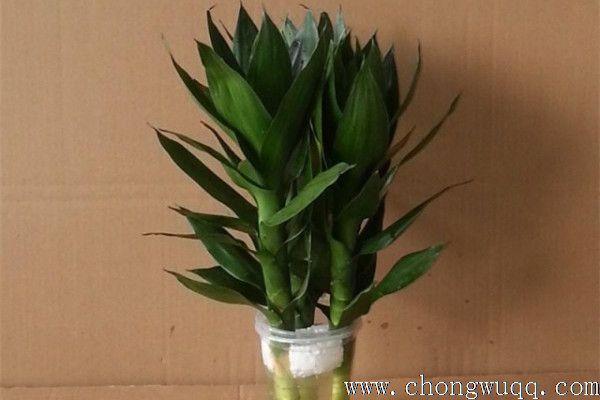
Growing Methods for Lucky Bamboo
Soil
It grows best in well-drained sandy soil or semi-muddy sand and alluvial clay.
Watering
During the peak growing period from May to September, water more frequently to keep the soil moist. It is better to keep it wet than dry, but do not let water accumulate, otherwise the roots will easily rot. During high temperatures, also spray the leaves and ground with water frequently to increase air humidity. In autumn and winter, reduce the amount of watering appropriately.
Fertilizing
During the growing period, apply liquid fertilizer 1-2 times a month to lucky bamboo, which can promote deep green, lush foliage. Stop fertilizing in winter.
Lucky bamboo is extremely adaptable and grows well in full sun, partial sun, and shade. It prefers a hot, humid environment with plenty of sunlight. It likes sandy soil, dislikes waterlogging, and is drought-tolerant.
Light and Temperature
The suitable growing temperature is 20-28°C. It can tolerate low temperatures of 2-3°C, but frost protection is needed in winter. The hot and humid seasons of summer and autumn are very favorable for the growth of lucky bamboo and are its best growing period. It is not demanding about light and is suitable for growing in bright, indirect light. Too much light or direct sun exposure can cause the leaves to turn yellow, lose their green color, and slow growth.
Propagation Methods
In spring, cut the severed stems into 5 cm to 10 cm leafless stem nodes, or cut the base tips which tend to dry out easily. Take branch cuttings with stem tips from the partly shaded indoor areas that have grown for a long time, insert them into clean coarse river sand, water thoroughly, cover with a plastic bag, keep the medium moist, and place in a bright indoor spot. Roots will form in about 25 days. Alternatively, insert the cut branches into water, and roots will form in about half a month at 25°C.
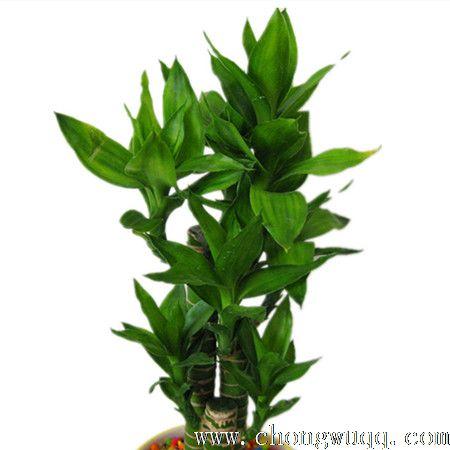
Precautions for Keeping Lucky Bamboo at Home
Disease Control
Lucky bamboo commonly suffers from leaf spot, stem rot, and root rot. It can be sprayed multiple times with 100-fold Bordeaux mixture. Common pests of lucky bamboo include thrips and scale insects. Spray with 50% omethoate emulsifiable concentrate diluted 1000 times.
Yellowing Leaves
Lucky bamboo leaves can turn yellow due to lack of fertilizer, lack of light, or sunburn. Everyone should pay attention to this when growing it.
Original link: http://www.chongwuqq.com/zhiwu/zaipei_75.html