Technique for Raising Earthworms with EM Bacteria-Fermented Manure
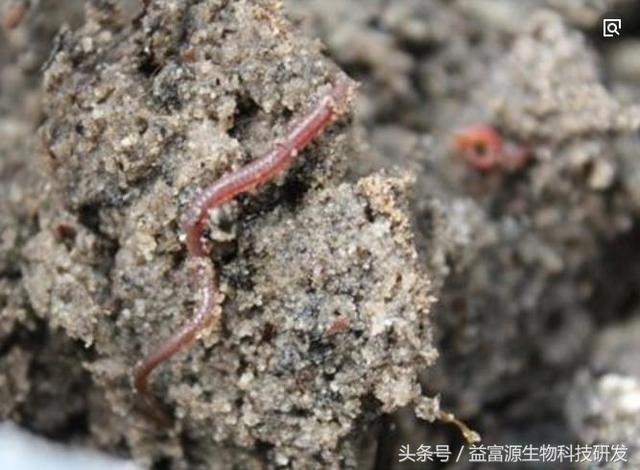
Earthworms are saprophagous animals, particularly fond of fermented livestock and poultry manure, rotten melons and fruits, banana peels, calcium-rich dead branches and fallen leaves, and are especially sensitive to sweet and savory-smelling food. They do not feed on food containing bitter taste, alkaloids or various aromatic compounds.
I. Feed Types and Fermentation Formulas
(1) Types
There are many types of feed for raising earthworms, mainly the following categories:
1. Livestock and poultry manure, such as horse manure, cow manure, pig manure, chicken manure, etc.
2. Plants, such as rice straw, corn stalks, wheat straw, tree leaves, wood shavings, etc.
3. Household garbage, such as rotten melons, fruits and vegetables, leftover meals, various livestock, poultry and fish viscera, etc.
4. Agricultural and sideline product waste, such as distillers' grains, fruit pomace, sugar residue, spent mushroom substrate, waste paper pulp liquid, etc.
Note: For raising earthworms, the material generally needs to undergo composting and fermentation so that the earthworms can feed on it.
(2) Fermentation Material Formulas
1. Fermentation raw materials: Manure mainly includes horse manure, cow manure, pig manure, chicken manure, sheep manure, human feces, contaminated and rotten fruits, vegetables, etc.; plant materials mainly include plant stalks, stems and leaves, weeds, garbage, etc. Among them, cow manure and rice straw give the best results, pig manure is second, and the proportion of chicken manure generally does not exceed 20%.
2. Proportions
Formula 1: 60% manure, 40% crop straw or green grass;
Formula 2: 70% manure, 20% crop straw or green grass, 10% wheat bran;
Formula 3: 60% cow manure, 40% rice straw or wheat straw;
Formula 4: 70% pig manure, 30% rice straw or wheat straw;
Formula 5: 50% cow manure and horse manure, 49% corn stalks, 1% urea;
Formula 6: 40% manure, 57% crop straw or green grass, 2% gypsum powder, 1% superphosphate;
Formula 7: 70% human feces and urine, 30% crop straw or green grass;
Formula 8: 70% cow manure or pig manure, 20% residue fertilizer or green grass, 10% chicken manure.
(3) Fermentation Agent
Using Yifuyuan special bacterial liquid for manure can accelerate material decomposition, eliminate manure odor, save fermentation time and improve the fermentation environment. The ratio of fermentation agent to material is 1:300-500.
II. Fermentation Treatment Methods for Raw Materials
(1) Raw Material Treatment
1. Crush the livestock and poultry manure.
2. Pulverize plant materials such as weeds, tree leaves, rice straw, wheat straw and corn stalks to about 0.5-1 cm.
3. Cut vegetables, melons and fruits into small pieces.
4. Remove harmful substances such as crushed stones, rubble, metal, glass and plastic.
(2) Fermentation Conditions
1. Temperature: Temperature has an important influence on the decomposition and fermentation of the fermentation raw material pile. The suitable living temperature for microorganisms is 15-37 degrees; among them, the optimum temperature for aerobic microorganisms is 22-28 degrees, the optimum temperature for facultative anaerobic microorganisms is about 37 degrees, and the optimum temperature for thermophilic microorganisms is 50-65 degrees.
2. Moisture content of raw materials: The moisture content should be controlled at 40-50% (about 1000 kg of dry material needs 400-500 kg of water added), that is, after piling, a small amount of water flows out from the bottom edge of the pile.
3. pH value: Microorganisms are very sensitive to acidity and alkalinity, because excessive acidity or alkalinity is unfavorable to fermentation. The pH value is generally suitable at 6.5-8.0. If too acidic, an appropriate amount of lime can be added; if too alkaline, it can be leached with water.
(3) Piling and Fermentation Technique
1. Pre-wetting: Dilute Baiyibao EM stock solution with water (determine the dilution multiple according to the amount of fermentation material; about 1 kg of stock solution can ferment 300-500 kg of material), then evenly spray it on the grass material so that it is fully soaked and absorbs enough water, and pre-pile for 10-20 hours. Dry livestock and poultry manure is also moistened with diluted Baiyibao EM stock solution and pre-piled.
2. Building the pile: First spread a layer of wet grass material 20-30 cm thick on the ground at a width of 2 m, then spread a layer of wet livestock and poultry manure about 3-6 cm thick. In this way, spread one layer of manure and one layer of grass material alternately until all is spread. While piling, add diluted Baiyibao EM stock solution layer by layer, adding less to the lower layers and more to the upper layers, until a small amount of liquid seeps out from the bottom of the pile. The material pile should be loose, not compacted, with a height of about 1 m, and shaped as a trapezoid, turtle-back or cone. Finally, seal the outside of the pile with pond mud or cover it with plastic film to preserve heat and moisture.
3. Turning the pile: After piling, the pile temperature begins to rise the next day, and after 4-5 days the internal temperature of the pile can reach 60-75 degrees. When the temperature begins to drop, turn the pile for a second fermentation. When turning the pile, move the material at the bottom to the top, the material at the edges to the middle, and the material in the middle to the edges, while fully loosening and mixing it, and sprinkling an appropriate amount of water so that it is evenly dry and wet. One week after the first turning, carry out a second turning; thereafter turn once every 4-6 days. After about 20 days, the composting and fermentation are complete.
(4) Notes
1. In winter, choose a warm place sheltered from wind and cold for piling the material; in summer, make sure the material pile avoids direct sunlight.
2. When composting in winter, because the temperature is relatively low, the feed pile should be compacted to reduce air circulation and regulate the fermentation speed.
3. If the surface of the material pile collapses during fermentation, promptly fill the depression with nearby raw material to prevent rainwater from seeping in.
Fermentation is the process by which complex high-molecular organic compounds in feed are decomposed into simple low-molecular organic compounds by bacteria or yeast. After fermentation and decomposition, organic matter has the characteristics of being fine, soft, thoroughly rotted, rich in nutrients, easy to digest and absorb, and good in palatability.