To raise fish, first cultivate the water; scientific aquaculture has its methods
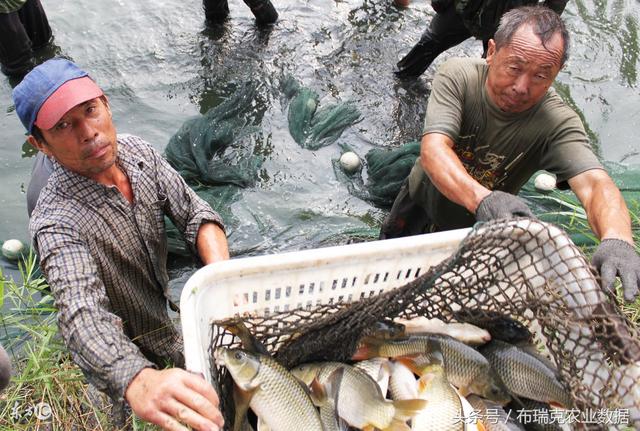
In the process of aquaculture, various farming problems are often encountered, and this type of problem is among them.
Just like pigs, chickens, etc. in farms, fish can also be overstocked. This not only fails to increase per-unit fish yield, but instead causes the water body they live in to become polluted by excessive feces and bacteria.
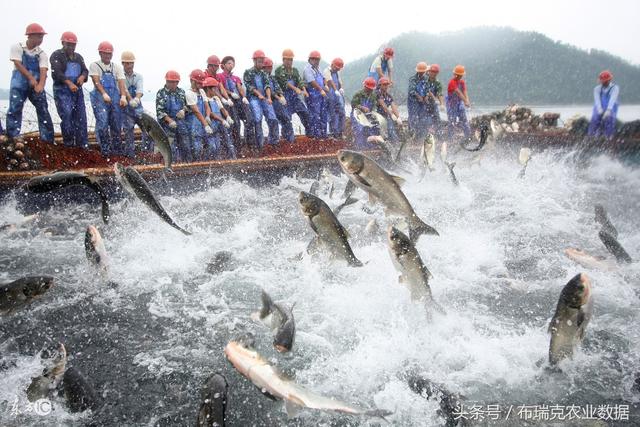
The water body is the environment in which fish live and survive, just as humans live in air. From this we can see that the importance of water quality to fish is actually equivalent to the importance of air to humans, directly affecting healthy growth, and thereby directly affecting production and economic benefits. Different aquatic animals all need suitable water quality conditions to grow and develop smoothly. Some basic water quality indicators should be controlled within the range that organisms can adapt to and tolerate, otherwise it will directly affect growth rate, survival rate, and feed conversion ratio, and economic benefits will be unsatisfactory. Severely deteriorated water quality can cause mass mortality, leading to serious economic losses and loss of confidence in farming. Therefore, for aquaculture, one should "cultivate the water first when raising fish, and only when the water is good will the fish be good."
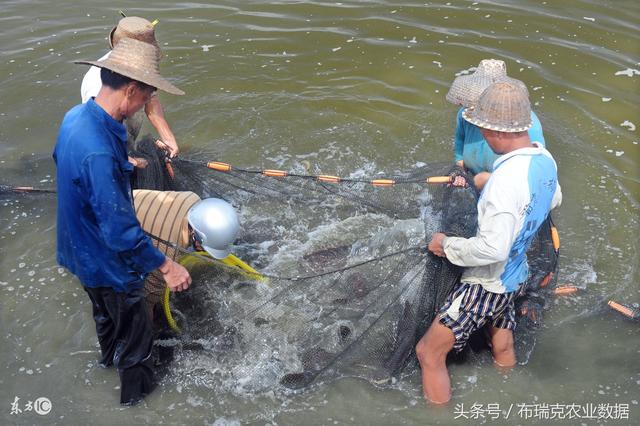
The water body is a solvent and suspending agent. It can dissolve various gases and salts, such as oxygen, carbon dioxide, ammonia and hydrogen sulfide, nitrite, sulfate, etc., and can also suspend dust, algae, bacteria, etc. Among the various tangible and intangible substances that are dissolved and suspended, some are necessary and beneficial to water quality, and some are harmful. When harmful substances are quite abundant, the water body is prone to deterioration, and pathogens are prone to reproduce and breed, which can easily lead to the occurrence of diseases.
The main indicators affecting water quality are 5 important indicators: pH value (acidity and alkalinity), dissolved oxygen, ammonia nitrogen, nitrite, and hydrogen sulfide. Heavy metals, pesticides, chemical sewage and other polluted water sources, if exceeding the "Fishery Water Quality Standard," are not conducive to aquaculture. Water quality should be comprehensively and scientifically tested regularly, and water quality should be improved in a timely manner. Water quality testing is necessary to ensure healthy water quality, and is even more the foundation of aquaculture.

Solutions:
PH value (acidity and alkalinity) - water quality tending acidic: when the pH value is less than 7, 20PPM quicklime can be splashed over the whole pond to raise the pH value by about 0.5, or baking soda can be splashed. (about 20 grams per 1 cubic meter of water). Water quality tending alkaline: when the pH value is between 7-8.5, it is suitable for fish survival. When the pH value is greater than 9, measures can be taken to reduce alkalinity. The best method is to change the water or inject new water. Water-conditioning drugs such as "Detox Green Water Treasure" can also be used throughout the pond.
Ammonia nitrogen - discharge pollution in a timely manner, and completely drain the sludge at the bottom of the pond; choose high-quality feed to reduce leftover bait; when using ammonium nitrogen fertilizer in fish farming, avoid excessively high pH values. Ammonium nitrogen fertilizer cannot be used at the same time as quicklime; it is best to separate them by more than 10 days; use microbial water quality improvers to condition the water, such as "Fertilizer King" and "Detox Green Water Treasure," etc., which have a significant effect on reducing ammonia nitrogen.
Nitrite - change the water regularly and inject new water; keep the water body sufficiently oxygenated, and increase oxygen in a timely manner or through biological oxygenation; regularly use water quality improvers, such as "EM Live Bacteria Agent," "EM Original Dew," "Kangjie Bottom Clean," etc.
PH value, ammonia nitrogen, and nitrite are the most important testing items in aquaculture water quality management. They should be tested regularly to ensure water quality safety. In addition, dissolved oxygen and hydrogen sulfide are also relatively important testing items.
Hydrogen sulfide - fully increase oxygen; high dissolved oxygen can effectively consume hydrogen sulfide; control the pH value. The higher the pH value, the greater the chance of hydrogen sulfide poisoning. Generally control it between 7.8 and 8.5.; change and inject new water regularly to reduce the concentration of organic pollutants.; thoroughly remove the sludge at the bottom of the pond, carry out bottom improvement, and use "Kangjie Bottom Clean"; feed reasonably and minimize the amount of leftover bait in the pond.
Dissolved oxygen - high temperature: the higher the water temperature, the lower the dissolved oxygen in the water. At high temperatures, increased oxygen consumption by aquatic animals is also an important reason; excessive farming density; decomposition of organic matter: the more organic matter, the more active the bacteria, and the more oxygen is consumed in the process, which can easily cause oxygen deficiency; oxidation of inorganic matter: when there is a lot of inorganic matter such as hydrogen sulfide and nitrite in the water, oxidation will consume a large amount of dissolved oxygen.
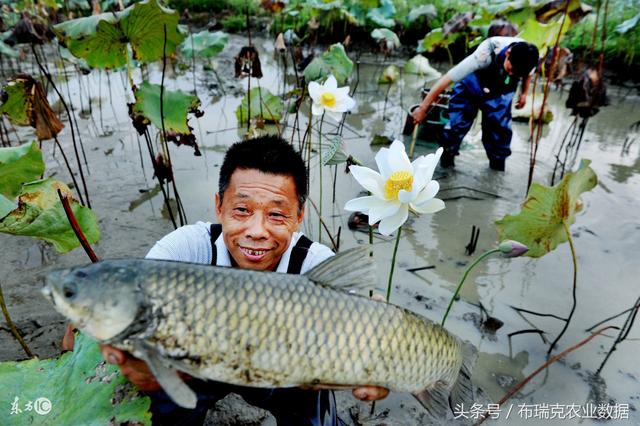
As the saying goes, "good water makes fat fish." If you want to raise fish well, first do these things properly and give the fish a good growing environment, and a bumper harvest is just around the corner!
[Author: Little Fish]
