What are the commonly used disinfectants in aquaculture
In recent years, the scale of aquaculture in Guangxi has developed to a great extent, but the water environment in aquaculture has deteriorated due to high-density farming and excessive accumulation of residual bait and other reasons, causing frequent outbreaks of various aquatic animal diseases. In Guangxi, the use of disinfectants for aquaculture (fishery farming disinfectants) has become very common. Many farmers, because they do not understand the scope of use of disinfectants, fail to achieve a bactericidal effect after using them, and even indirectly harm fish and shrimp. Therefore, we provide a brief analysis of the bactericidal mechanisms and characteristics of some commonly used disinfectants in fishery aquaculture disinfection in Guangxi.
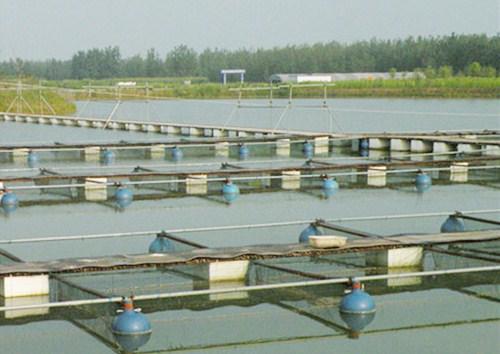
Image source http://www.gxjljh.com
Bleaching powder, trichloroisocyanuric acid and bromochlorohydantoin, etc.
Bactericidal mechanism: This type of disinfectant reacts with water to generate small-molecule hypochlorous acid. The hypochlorous acid diffuses to the bacterial surface and penetrates the cell membrane to directly oxidize bacterial proteins, thereby killing pathogenic microorganisms.
Advantages: It can kill various microorganisms, including vegetative bacteria, viruses, fungi, Mycobacterium tuberculosis and highly resistant spores.
Disadvantages: Inorganic chlorine is unstable in nature and is easily affected by light, heat and moisture, and easily loses its active ingredients. Although organic chlorine is relatively stable, it is also unstable after dissolving in water. Studies have shown that the microorganism-killing effect of this type of disinfectant is clearly affected by water environment factors. Generally, as temperature rises, its effect strengthens; as pH rises, its effect weakens. When there is too much organic matter in the water, its disinfection effect decreases markedly, and this type of disinfectant is also quite irritating to aquatic animals.
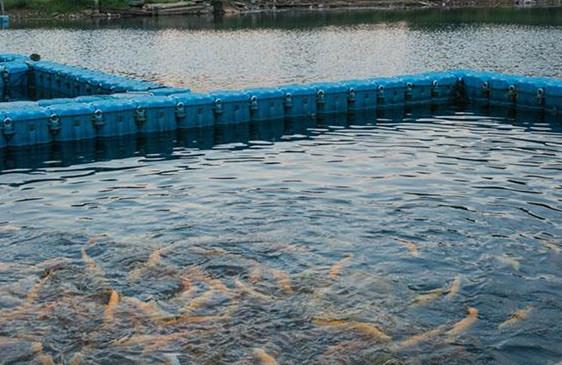
Image source http://www.gxjljh.com/
Special chlorine dioxide disinfectant for aquaculture (or effervescent tablets)
Mechanism: There is an adsorption interaction between the molecules of the active ingredient of chlorine dioxide and the capsid protein of viruses, causing a high concentration of disinfectant molecules to gather on the surface of virus particles, thereby strengthening its killing effect.
Advantages: Chlorine dioxide can effectively kill bacteria, viruses, fungi, bacterial spores and bacteriophages in water. It is also easily soluble in water, and its disinfection effect is not affected by the pH of the water quality. The bactericidal ability of chlorine dioxide is stronger than that of chlorine, its bactericidal action is faster than that of chlorine, and its lasting bactericidal effect is more than 10 times that of chlorine. The residual dose also remains effective for a longer duration. It does not produce toxic side-effect substances such as organic chlorine, so it has no irritating effect on fish and shrimp and does not affect their feeding and normal development. It does not harm plankton, can improve water quality, and deodorize and preserve freshness. It has significant therapeutic and preventive effects on fish diseases such as hemorrhagic septicemia, gill rot disease, red skin disease, enteritis disease and water mold disease, as well as on shrimp vibriosis and viral diseases.
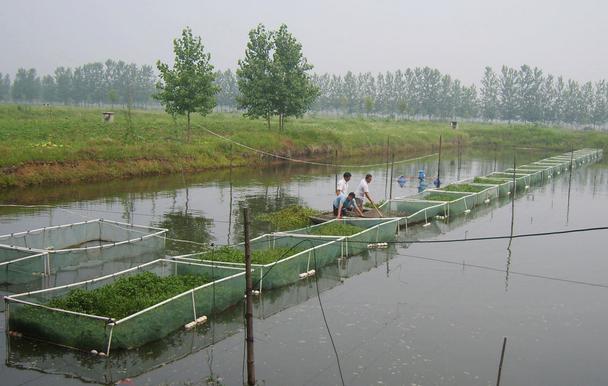
Image source http://www.gxjljh.com/
Disadvantages: Under alkaline conditions, chlorine dioxide will undergo a disproportionation reaction (of course, these harms only occur when chlorate and chlorite accumulate in large amounts in the animal body; generally, when chlorine dioxide is used as a disinfectant, they will not be produced.).
Aldehyde disinfectants such as formaldehyde, probiotic aldehyde disinfectant and probiotic ammonium aldehyde disinfectant.
Mechanism: It acts through a reactive alkylating agent on the amino, carboxyl, hydroxyl and sulfhydryl groups in microbial proteins, thereby destroying protein molecules and causing microbial death.
Advantages: This type of disinfectant can kill all microorganisms.
Disadvantages: It is highly irritating to aquatic animals and has a relatively large environmental impact. It is now mostly used for the prevention and treatment of fish water mold disease.
Each disinfectant has its own characteristics. Rational use of various disinfectants under different circumstances can effectively prevent and treat various fish diseases and improve fish quality. However, disinfectants must not be abused, so as to avoid counterproductive effects.
Article source http://www.gxjljh.com/