What are the cultivation methods and precautions for tree chrysanthemum
Tree chrysanthemum, namely poison root ironweed, is a climbing shrub or vine. Branches cylindrical, striate, densely covered with rusty or grayish-brown tomentum; leaves short-petioled, thickly papery, ovate-oblong, oblong-elliptic, or oblong-lanceolate. Capitula numerous, flowers pale red or pale reddish-purple. Achenes nearly cylindrical. Want to know how to grow tree chrysanthemum? Below is an introduction to the cultivation methods and precautions for tree chrysanthemum.
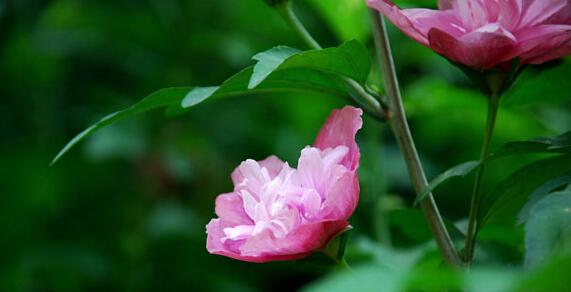
Growth habits of tree chrysanthemum
Tree chrysanthemum is a relatively cold-tolerant perennial herbaceous flower. It prefers a cool climate and ample sunlight, and grows and develops best at temperatures of 10-25°C. Tree chrysanthemum is also a short-day plant; short-day conditions and low temperature are important conditions for chrysanthemum development. When the day length decreases to 13.5 hours, the minimum temperature drops to 15°C, and the day-night temperature difference is 10°C, flower buds begin to differentiate; when the day length is 12.5 hours and the minimum temperature drops to about 10°C, flower buds begin to form. Chrysanthemum is drought-tolerant and afraid of waterlogging, prefers fertile soil rich in humus, and has no strict requirements for soil acidity or alkalinity.
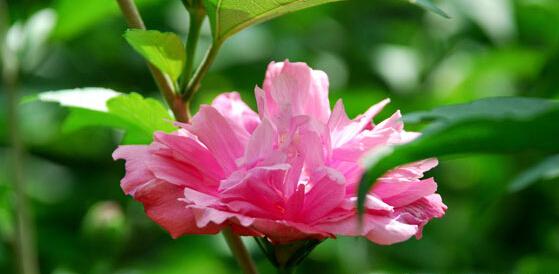
Cultivation methods for tree chrysanthemum
1. Potting soil preparation. In late autumn and early winter, collect various leaves (broadleaf leaves are best), and layer them in a pit 80 cm deep together with sandy soil and human and livestock manure, each accounting for 1/3, until the pit is full; if the manure is dry, add an appropriate amount of water. In April-May of the following year, take it out and compost it, turning and mixing it once every 20-30 days, for a total of 2-3 turnings, until all the leaves have completely rotted.
2. Planting of seedlings. Methods for cultivating single-trunk chrysanthemum include the bud-turning method and the cutting method, etc. Although chrysanthemums cultivated by the bud-turning method have large flowers, bright colors, thick petals, and a long flowering period, their height is all above 60 cm, some reaching about 1 m, and the lower leaves tend to fall off, affecting ornamental value. If the bud-turning period is delayed, with later potting and later management, and then the height is strictly controlled in the later stage with attention to preserving leaves, the goal of dwarfing can be achieved. Before winter, take out the basal buds from the pot and plant them well so they can overwinter safely.
3. Early summer management. In early to mid-May, take the stored chrysanthemum seedlings out of the pots and divide and plant them in flower pots or fields with cultivation soil of a certain fertility. After planting, water thoroughly and pay attention to weeding and loosening the soil. In mid to late June, pinch the growing tips. In the order of late-flowering and short varieties first, mid-flowering varieties next, and early-flowering and tall varieties last, complete all pinching within 20 days. When pinching the tips, retain more than ten fully developed leaves from top to bottom, while all lower leaves are removed. Afterward, remove axillary leaves at any time to encourage basal buds to grow from the roots.
4. Potting and final planting. From August 10-25, when the basal buds grow to 10 cm, transplant the chrysanthemum plants into double pots (about 1 month later than the usual planting method). Also plant late-flowering short varieties first, and early-flowering and tall varieties last. Keep only 1 basal bud that is vigorous, far from the old plant, and with normal internodes, and cut off all the rest. Plant the basal bud upright, while letting the old stem lean naturally to the side (if you want to cultivate a flat-topped specimen chrysanthemum with 3 flowers, you may choose to plant 3 basal buds). If the cultivation soil is relatively moist, do not water; place it in partial shade. Spray water on the leaf surfaces 3-4 times a day to maintain moisture for the chrysanthemum plants. After 1 week, switch to normal management. When planting, fill with 60% cultivation soil; do not fill more.
5. Autumn management. For potted chrysanthemum plants, cut off the old plants in early September. After 3 days, fill with 20% cultivation soil (for "spherical" thick varieties, fill with cultivation soil plus heavy fertilizer; for the "noon-shaped" type, still fill with ordinary cultivation soil). After the chrysanthemum plants show buds, for spherical thick varieties fill another 10% heavy-fertilizer cultivation soil, while other varieties still receive ordinary cultivation soil. When the chrysanthemum plants are 20 cm tall, begin applying foliar fertilizer, spraying urea 2000-fold solution once every 3 days. After budding, alternately spray urea 2000-fold solution and monopotassium phosphate 2000-fold solution until color begins to show.
6. Bud removal. After the chrysanthemum shows buds, when the buds grow to the size of soybean grains, remove side buds and axillary buds at any time. However, keep 1 axillary bud closest to the terminal bud as a backup bud to prevent having no flowers if the main bud is damaged. Only when color is about to show may the backup bud be removed.
7. Height control. The height of ornamental chrysanthemum should be 30-50 cm, and chemicals should be used to control its height. Every 10-15 days, spray Bg and paclobutrazol 800-fold solution on the leaf surfaces and growing points. After budding, use the above agents at 600-fold solution to water the roots.

The above is the relevant content on the cultivation methods and precautions for tree chrysanthemum. We hope it is helpful to everyone.
---------------------------------------
Flower-growing knowledge
WeChat: yanghua29
Flower-growing knowledge, questions and answers, solving flower-growing problems!