What are some practical tips for growing cineraria?
Also known as florist's cineraria or cucumber flower. The leaves are large and shaped like cucumber leaves, green and glossy. The flowers are terminal, with numerous flower heads clustered into corymbs, and the inflorescences densely cover the top of the stems, often forming a pot-bottom shape. The flower colors are rich; all colors except yellow are present, and there are also bicolors with red and white.
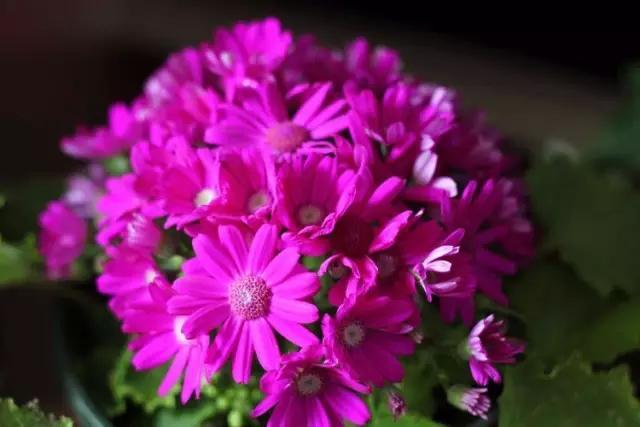
Soil: The soil for planting cineraria should be sandy soil rich in humus and well-draining, tending toward neutral and slightly acidic soil.
Watering: Keep sufficient moisture, but the potting soil should not be too wet, so when watering normally, it depends on whether the potting soil is dry or wet. Water again after it dries, about once every 2-3 days. You can spray the leaf surface with clean water once a day.
If the weather is relatively hot, we can spray water on the leaves to lower the temperature and increase air humidity. After flower buds appear, watering should be controlled, and the flowerpot should be placed in a cool place at 8-12°C.
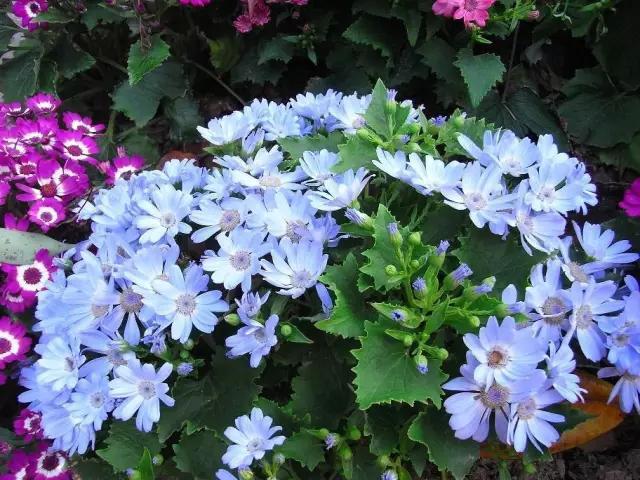
Light: During the growing period, cineraria relatively likes sunlight, so it should not be shaded. It is best to place it by a sunny window, and sometimes turn the flowerpot so the branches and leaves receive light evenly.
Temperature: Cineraria grows best under conditions of 15-20°C.
Fertilizing: In addition to applying base fertilizer when planting, during the growth process apply a dilute cake fertilizer once every 7-10 days. After flower buds appear, 1-2 additional applications of 1000x potassium dihydrogen phosphate solution can be added. Fertilizing continues until flowering (do not fertilize on rainy days).
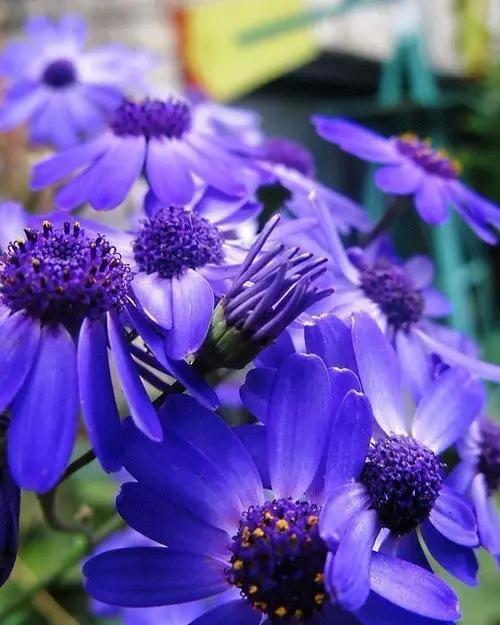
Remember: When fertilizing, do not get it on the leaves. If it gets on the leaves, wash it off immediately!
Like growing flowers and looking at flowers? Want to chat with fellow flower lovers? Follow the WeChat official account: Indoor Potted Flowers, WeChat ID: huahui78