The complete guide to chrysanthemum cultivation methods, teaching you how to grow chrysanthemums
Potting soil preparation:
The ideal substrate for chrysanthemums is a well-drained, loose, fertile, slightly acidic sandy loam. Generally, river sand with good water permeability and aeration is chosen, mixed with garden soil and humus soil. The ratio is humus soil : garden soil : river sand = 4:4:2. If conditions permit, it is best to disinfect the potting soil by spraying it with formalin or carbendazim and other disinfectants at the concentration specified in the instructions.
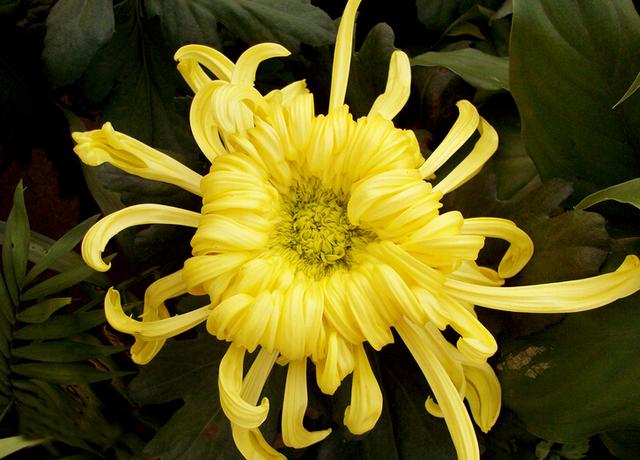
Water management:
Water management during the chrysanthemum growing period must follow the principle of "water promptly during drought and drain promptly during waterlogging." And ensure sufficient water around the bud initiation stage. Watering can also be combined with fertilizing, and care should be taken to achieve "wet then dry," meaning it should be neither half-dry and half-wet, nor too dry or too wet. Also, spray the leaves with foliar water once each morning and evening every day.
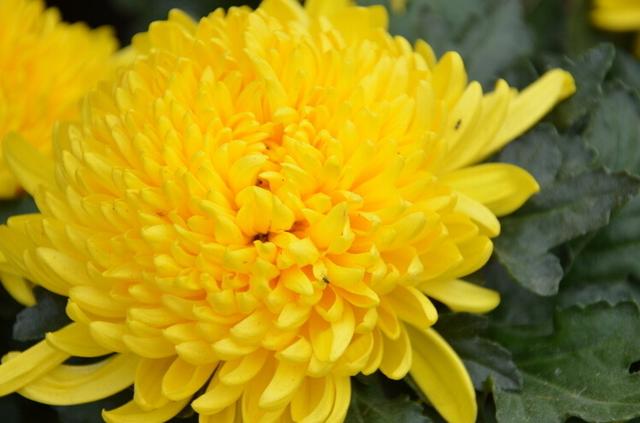
Fertilization control:
Chrysanthemum growth requires sufficient organic fertilizer (generally applied as a base fertilizer). During the vegetative growth stage, topdressing should mainly consist of nitrogen fertilizer, and can be combined with some phosphorus and potassium fertilizers and trace element fertilizers. This can promote thick, sturdy and upright chrysanthemum stems and branches, and also make the leaves larger. In the middle and late stages of chrysanthemum growth, topdressing should mainly consist of phosphorus and potassium fertilizers, and flower-specific fertilizer can also be applied. Fertilization methods can combine soil topdressing and foliar topdressing, and water promptly after fertilizing. Note that if chrysanthemum leaves are small and thin with yellow leaf color, a 0.1% urea solution can be sprayed multiple times.
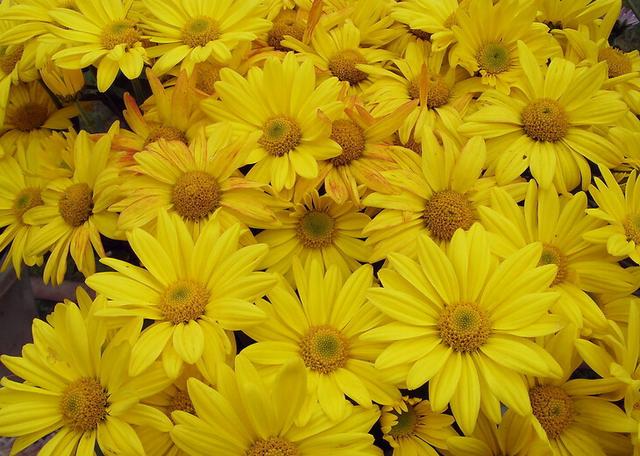
Placement and lighting:
For the daily management of potted chrysanthemums, in addition to doing a good job with the above soil, fertilizer and water management, timely measures such as rotating pots and spacing pots should also be carried out according to the growth and environmental conditions of the potted chrysanthemums, to avoid affecting the growth and development of potted chrysanthemums due to lighting and other reasons.
It should be noted that chrysanthemums are short-day plants. Experiments show that chrysanthemums carry out vegetative growth under long-day conditions of 14.5 hours per day, and darkness of more than 12 hours per day with a night temperature of 10°C is suitable for flower bud development.
Follow WeChat ID: xiaobency, shared every day around 9 o'clock, listened to by tens of thousands of people