Alpaca fleece is in short supply, Australia is expanding breeding, China wants to raise them but is restricted by imports
The alpaca is an animal that looks like a camel and has fleece like a sheep. Its appearance is very endearing, and thanks to online memes in previous years, the alpaca became popular all over China. In the past, alpacas were only kept as a sideline on various farms, but now that the economic value of alpaca fleece has been discovered, especially with the enthusiasm from the Chinese market, the sales prospects for alpaca wool are very promising, supply is far from keeping up with demand, and prices are good. A farmer in Australia told us that they have received many orders from China, and one of the buyers once asked us to supply 3000 tons of alpaca wool per year. Alpaca fleece on the market is in short supply!
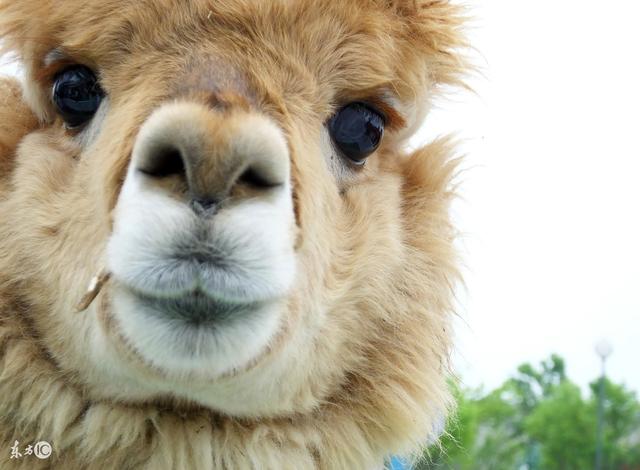
First, let's get to know the alpaca! 90% of alpacas live on the high plateaus of Chile and Peru, with the rest distributed in Australia. Alpaca farming in Australia has already become a sustainable industry. Australia now has about 200,000 alpacas, and this number is to increase to 1 million within three years.
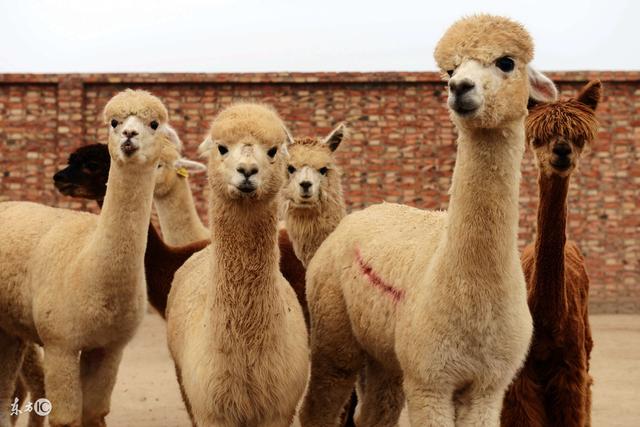
From tropical coasts to frigid mountain regions, wherever there are people, there are alpacas. Alpacas have extremely strong adaptability and the ability to eat coarse feed, and can survive well even in particularly harsh natural environments, combining the advantages of yaks and camels. On poor-quality pastures and gravel and desert shrub pastures in high-altitude pastoral areas, alpacas can protect the grassland ecological environment better than sheep, and in low-altitude pastoral areas, alpacas are the livestock with the highest utilization rate of crop stalks.
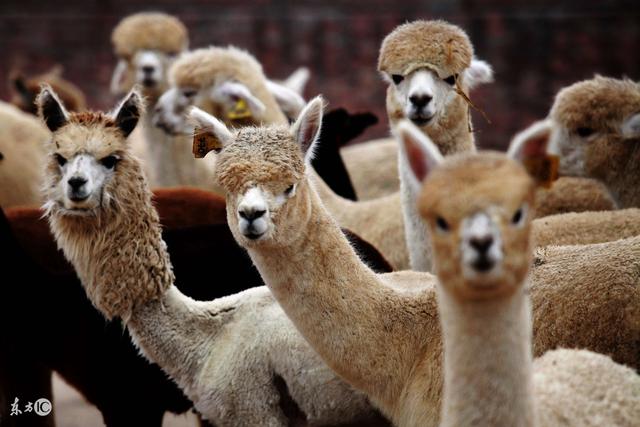
Both the fleece and the meat of alpacas have high economic value. In particular, alpaca fleece has the following advantages compared with wool:
1 Alpaca fleece has low allergenicity. Some people who are allergic to wool can choose alpaca fleece products for warm clothing.
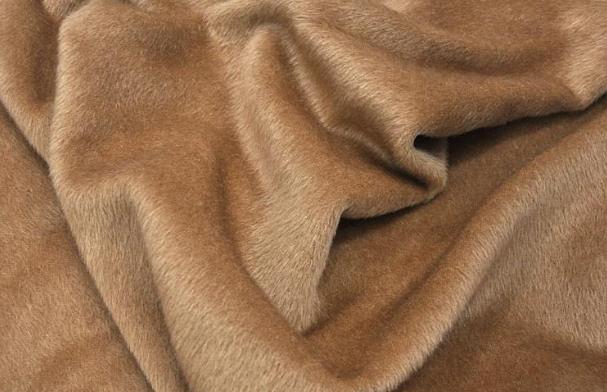
2 Alpaca fleece fibers are longer than wool fibers, so its abrasion resistance and strength are relatively high, and it is especially loved by everyone for its feature of not pilling.
3 Alpaca fleece fibers are bright in color, silky to the touch, and have better drape, making coats look more beautiful and elegant.
Some people want to ask, can China raise alpacas? In fact, agricultural experts went to Australia for on-site inspections long ago, and the result is that China is very suitable for alpaca farming. When encountering such agricultural problems, you can consult experts on the Yunzhongyang platform. It is the world's largest agricultural technology Q&A website. It brings together tens of thousands of experts in planting and breeding, and every question raised will receive a reply within 2 minutes.
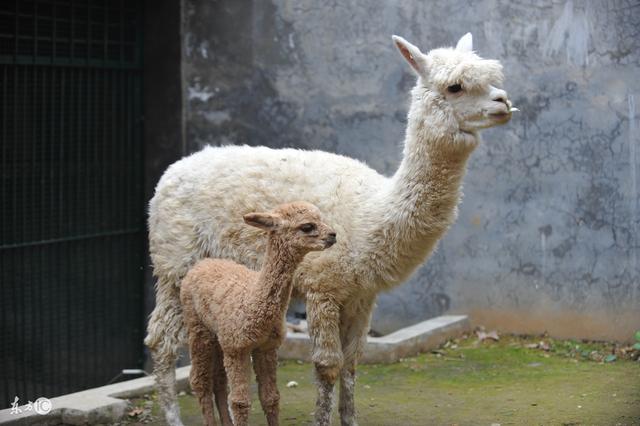
Although alpacas have high economic value, there is very little alpaca farming in other countries, mainly because of export restrictions in the main producing countries; for example, Chile imports and exports 300 per year. China currently has very few alpacas being farmed, and most are used for viewing. In 2014, China's first sea alpaca park settled in Yantai. As China's first sea alpaca ranch, Libeng Island Alpaca Park, it attracts batch after batch of tourists to go sightseeing and visit. The completion of Libeng Island Alpaca Park sparked heated discussion across various sectors and added another "healing holy land" to the Yantai coastline.
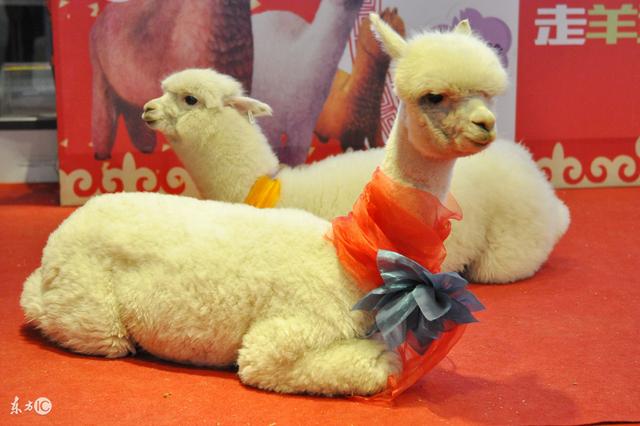
Alpacas have a long reproductive cycle, giving birth only once a year, and only one offspring per birth. Therefore, the phenomenon of alpaca fleece being in short supply on the market will continue for a long time. Due to growing demand from China and other Asian countries, raising alpacas in Australia has developed from a hobby into an industry with great prospects.
What do you think about the phenomenon of foreign countries imposing export restrictions on alpacas? Everyone is welcome to leave comments in the comment section for discussion! To get more agricultural knowledge, you can follow the Toutiao account!