To make money raising goats on a large scale, these key points cannot be ignored
Summary: Goats do have a relatively strong natural resistance to disease and generally do not fall ill easily. Even when they do get sick, the early stage of the illness is often hard to detect, and once obvious clinical symptoms appear, the condition is already quite serious and difficult to cure. Extensive practice has proven that as long as routine comprehensive prevention and control work is done well, many diseases can be prevented from occurring, and if they do occur, they can be brought under effective control in time. Therefore, it is especially important to earnestly implement the principle of "prevention first" and carry out comprehensive prevention and control measures with feeding and management as the focus. Feeding and management personnel should always pay attention to observing the static state, dynamic state, and eating state of the flock. Once abnormal behavior is found, the cause should be identified as soon as possible so as to achieve early detection and early treatment, prevent the disease from worsening or spreading, and reduce the economic losses caused by disease. Let us now look at the specifics: several matters to note in goat farming, and several key points for large-scale goat farming.
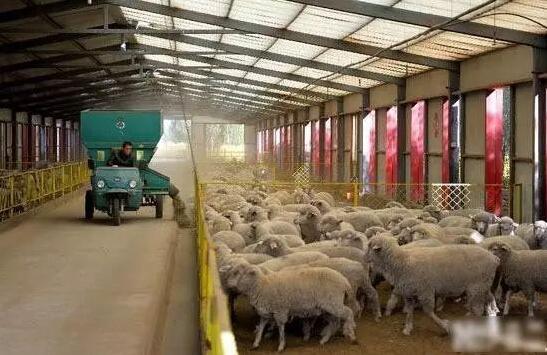
Several matters to note in goat farming
1. Breed selection
Goat breeds are divided into wool, dairy, meat, and dual-purpose types. Wool-type breeds are generally suited to cold northern regions; goats raised in such an environment have the best wool quality and can grow down. In the humid and muggy south, however, they do not grow down, only long hair, with no economic benefit. Dairy breeds currently have good market prospects, but the consumer group is in relatively high-end cities. At present, the goat milk industry has not yet formed an industrial chain like the cow milk industry, so farmer friends should choose dairy goats cautiously; it is best to investigate the market thoroughly before introducing and raising them. Meat goats are a type suitable for raising in regions around the world.
2. Site selection
Choose a plot with sufficient grass sources, convenient transportation and communications, certain conditions for energy supply, more than 1000 m away from residential areas, abundant water supply, clean and free of pollution sources, no sewage-discharging factories or mines upstream, no parasitic contamination hazard areas, and good drainage without waterlogging for raising goats.
3. Barn construction
Goats are among the animals that love cleanliness most. They like dry, well-ventilated environments and fear humid environments most. The goat barn should have a certain capacity to resist disasters. Choose a south-facing slope with higher terrain, a low groundwater table, good ventilation, and dry soil. Never choose low-lying waterlogged land, mountain flood channels, or winter wind gaps. Therefore, the goat barn is best built in a bell-tower style, facing south, and especially with slatted floors so that manure and urine can drain away promptly. Inside the goat barn, there should be separate pens for rams, pregnant does, and kidding does. Isolation rooms for sick animals, manure storage pits, and carcass pits should be located downwind of the goat barn and more than 500 m away from it.
4. Preparing feed and medicine
Before the goats enter the pen, prepare enough forage and feed for unexpected needs, especially on rainy and snowy days. Commonly used medicines should also be prepared, such as antibacterial and anti-inflammatory drugs, antipyretic and analgesic drugs, and heat-relieving and anti-diarrheal drugs.
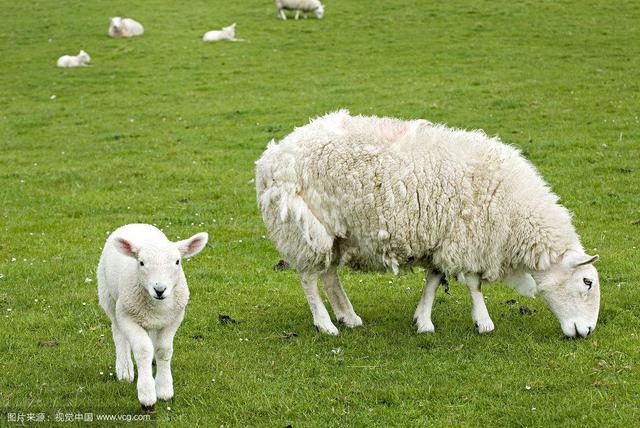
5. Selection and purchase of breeding goats
For breeding goats, select coat color, head shape, horns, and body type that meet the breed standard characteristics, with glossy coat, lively and healthy bearing, bright and spirited eyes, strong appetite, normal respiration and body temperature, strong and powerful limbs, and good body condition. The ratio of males to females is 1:30. At purchase, there must be a quarantine certificate issued by the seller's veterinary administrative department. When buying goats, also ask the owner in detail about the immunization program, vaccine types, and immunization times related to the purchased goats, so that supplementary vaccinations can be arranged after the goats are brought back. After purchase, raise them in isolation for 20-30 days. If conditions permit, goat farms should also send blood samples for testing to confirm whether there is latent infection with certain diseases.
6. Feeding and management
Feeding and management should be careful and thorough. Under natural conditions in northern Fujian, meat goats can graze year-round, with appropriate supplementation of concentrate. When grazing, choose places with many shrubs and no toxic plants, and follow the practice of early grazing and late return in summer and autumn, and midday grazing and early return in winter and spring. There is a lot of dew in the morning, so grazing is generally better in the afternoon. Each day when the goats return to the barn, prepare some salt water for them to drink.
7. Disease prevention and control
Do a good job in sanitation and disinfection, strictly formulate scientific immunization programs according to various diseases, and regularly deworm goats internally and externally in spring and autumn. The following immunization methods for several goat vaccines are recommended:
(1) Type O-Asia I foot-and-mouth disease inactivated vaccine: subcutaneous injection, 1 ml per animal at 4-12 months of age, 2 ml per animal at over 12 months of age, immunity period half a year, vaccinated in March and September each year.
(2) Peste des petits ruminants vaccine: all goats (except suckling lambs) are immunized once a year, immunity period 1 year, subcutaneous injection in the neck, diluted with normal saline to 1 dose per ml for use.
(3) Goat pox live vaccine: subcutaneous or intradermal injection. At vaccination, regardless of the size of the goat, each animal receives 0.5 ml, immunity period 1 year.
(4) Sheep triple vaccine with four protections inactivated vaccine: prevents sheep braxy, sheep sudden death, sheep enterotoxemia, and lamb dysentery. Subcutaneous or intramuscular injection, regardless of size each animal receives 5 ml, immunity period half a year, vaccinated in late February, early March, and late September each year.
(5) Goat contagious pleuropneumonia inactivated vaccine: subcutaneous or intramuscular injection, 3 ml per animal under 6 months of age, 5 ml per animal over 6 months of age, immunity period 1 year.
(6) Contagious ecthyma live vaccine: injected into the oral mucosa, regardless of goat size, 0.2 ml per animal, injected once each in March and September every year.
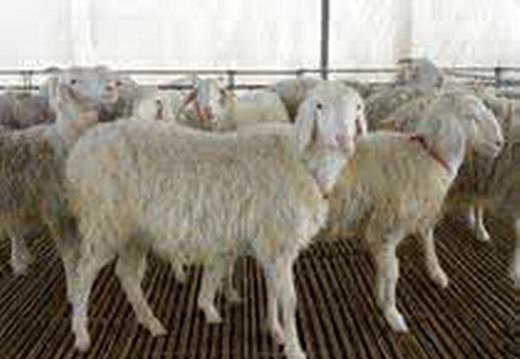
Several key points for large-scale goat farming
1. Barn construction
The goat barn should be chosen in a high, dry, sunny, wind-sheltered place. Leave a 10-20 sq m feeding area in front of the barn, and install fixed feed troughs and drinking utensils. There should be drainage ditches outside the barn, and bamboo mats or concrete floors inside. In winter, in cold areas, cover the shed with plastic film, which can raise the barn temperature by 4-7°C and help the goats grow. Rotate the use of different types of disinfectants, such as 20% lime milk and 10% bleaching powder solution, to regularly disinfect the goat barn, exercise yard, feed troughs, drinking vessels, feeding tools, and pens.
2. Separate pens
Barn-fed goat raising should follow a factory production model, raising goats of different ages, breeds, and body conditions in separate pens, setting up special kidding rooms and lamb pens, meat goat pens, doe pens, ram pens, and isolation pens for sick goats, and matching them with corresponding feeding and management measures.
3. Feed
Goats are livestock that mainly eat roughage, with concentrate as a supplement. For large-scale raising, the best approach is "growing grass to raise goats," so that fresh green grass can be eaten all year round. Goat raisers should open dedicated land for green feed and artificially plant forage such as alfalfa and ryegrass. In addition to feeding green grass in summer and autumn, after the autumn harvest the green grass can also be sun-dried into green hay or made into silage to feed goats. Corn can also be planted for silage to supply goats year-round. When preparing concentrate, in addition to a certain amount of corn, it should also be proportionally combined with protein feeds such as soybean meal, wheat bran, fish meal, and bone meal. In addition, adding appropriate amounts of compound feed additives such as rumen metabolism regulators and urea slow-release agents can produce better results. In addition, large-scale goat raising must have clean drinking water for the goats.
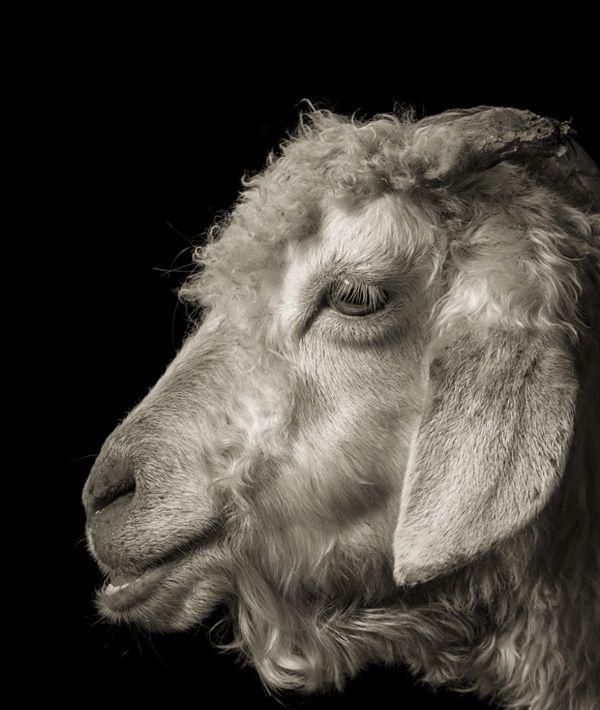
4. Seed selection
Select excellent breeds according to local conditions that have a large body size, fast growth, high reproductive rate, strong adaptability, good meat quality, and high economic benefit. For the paternal parent, the South African Boer goat is the first choice, followed by our country's Matou goat; for the maternal parent, Saanen dairy goats, Hebei white goats, and others can be chosen.
5. Mating
Regularly replace breeding rams from other places, put ear tags on breeding rams and does and keep breeding records, recording in detail the numbers of the breeding goats, mating time, mating method, and kidding situation, and control natural mating between rams and does in a planned way to avoid breed degeneration caused by inbreeding.
6. Scale
The scale of goat raising should be appropriate and can be decided according to conditions such as the amount of arable land the family currently has, the quantity of forage and feed, labor, and the amount of funds invested. Generally, raising about 20 breeding does is suitable, and the annual income can reach 10,000 yuan. Since a single household may find it hard to come up with so much money all at once, do not be greedy for scale when first starting to raise goats. Keep exploring and summarizing raising experience and develop in a snowballing way.
7. Management
Large-scale goat raising should be based on self-breeding and self-raising, with reasonable grouping. If grazing, carry out rotational grazing by divided areas. Also pay attention to management tasks such as brushing and hoof trimming.
8. Castration
For lambs used for fattening, it is best to castrate them within 7-21 days after birth. Castration at this time helps improve meat quality, makes them docile, facilitates management, and promotes rapid fattening.
9. Density
Goats are ruminants and need a relatively long time each day to eat forage and ruminate. Therefore, the goat pen must have enough trough space and activity space, and each goat should have 1.5-2.5 sq m of activity area.
10. Disease prevention
Goats raised in groups are prone to disease, mainly including lamb dysentery, streptococcosis, contagious pustular dermatitis, nematodes, and goat lice. The principle of "prevention is more important than treatment" should be implemented, and vaccination against key diseases and comprehensive prevention and control work should also be done well.
Dear farming friends, from now on, follow the WeChat official account: (Pig Farming and Animal Husbandry / dfjyzxm). If you have any questions about farming, market analysis, farming doubts, disease prevention and control, or policy interpretation, our professional teachers will reply to you as soon as possible!