How to raise Partridge chickens? Nine key points of breeding technology
How should Partridge chickens be raised? Raising Partridge chickens with good economic returns and high-quality egg production is not simple. Breeders must not only do a good job in the scientific feeding and management of Partridge chickens, but also pay attention to the prevention and treatment of diseases in Partridge chickens, and also do a good job in the scientific construction of Partridge chicken coops. These are all key contents of Partridge chicken breeding technology. In order to ensure the efficient raising of Partridge chickens, breeders need to master Partridge chicken breeding technology well. Below, the editor will introduce to you the nine key points of Partridge chicken breeding technology.
1. Partridge chickens are more suited to free-range raising
Free-range raising not only increases the meat quality but also improves the feathers. Of course, coop raising is also possible, and the stocking density should be adjusted slightly compared with ordinary broiler chickens. The coop requirements used by Yang Zhi are much lower than those for other broiler chickens. Of course, it also needs basic functions: blocking wind and rain and providing simple protection against cold are all necessary.
2. Pay attention to nutritional matching
Partridge chickens do not have high feed requirements and have a very good ability to tolerate coarse feed. However, in order to raise better and heavier Partridge chickens, it is still recommended to use a combination of concentrated feed and coarse feed. Especially during the chick stage, fine feed should be the main component (combined with some powdered feed added). During the laying stage, laying hens should also be given attention with concentrated feed, especially fish meal, bone meal, and other calcium supplements.
3. Properly provide green feed such as green grass
Ordinary broiler chicken breeding may not require green feed, but for Partridge chicken breeding it is recommended to provide some green feed, such as green grass, vegetable leaves, etc. Straw feed can also be thoroughly crushed and used after silage fermentation. When using silage feed, be sure to pay attention to the danger brought by secondary fermentation, that is, the problem of spoilage and deterioration, because poultry have low tolerance to spoiled and deteriorated feed and are prone to problems.
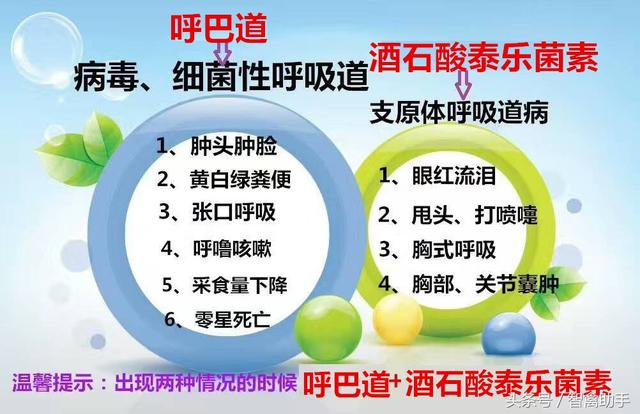
Hubadao
4. The best brooding time is from March to September
Every year from March to September is the best period for brooding. During this period, temperature, food, and other conditions are especially suitable for brooding, and it is also the time when Partridge chickens reproduce in nature. For brooding, it is recommended to use indoor breeding in a chicken coop to ensure temperature and light, etc.
5. Timely immunization is very important
Partridge chickens have much stronger resistance than other chicken breeds. This is the most reassuring point when raising Partridge chickens. However, strong resistance does not mean they will not get sick. Basically, immunization still needs to be done, and vaccines for some common diseases should also be administered accordingly. Disinfection and prevention in chicken farms must also be done well.
6. Quality selection
Individuals that are healthy, have a good body size, and conform to the breed characteristics should be selected for breeding.
7. Master seasonality well
Ecological free-range raising of Partridge chickens is very seasonal. The time for introducing chicks is best controlled from March to September each year. In other months, the weather is cold and not suitable for this raising method. For brooding, it is generally better to use indoor brooding on wire netting in a coop. As the age in days increases, the light duration and intensity should be gradually shortened and weakened. During the brooding period, it is best to choose complete compound chick feed. Allow free feeding every day and free access to clean water.
8. Feeding and management of Partridge chickens
Within 20 days after the brooding and rearing stage is completed, 20% green feed can be added (cabbage, pumpkin, carrots, celery, zucchini, and other vegetables edible by humans can all be used as green feed for these chickens, mixed with crushed cornmeal and other coarse grains for feeding). Vegetables contain large amounts of vitamins and various nutrients, which can greatly increase the edibility of Partridge chickens and also greatly reduce production costs.
9. Disinfection and epidemic prevention
Pay attention to daily hygiene, epidemic prevention, and disease prevention and treatment. Regularly disinfect sheds and equipment, and immediately isolate and treat sick chickens when found.