Large-scale meat duck farming offers high profits, but three types of poisoning must be guarded against
I. Aflatoxin poisoning
1. Causes of the disease
This condition is a toxic disease caused by toxins produced by Aspergillus flavus. Aflatoxins are produced when peanuts, bran, damaged corn or rice straw are stored and kept improperly in a humid environment. Ducks are highly susceptible to poisoning after eating feed containing aflatoxins.
Duck farming: Winter greenhouse meat duck farming techniques, off-season counter-market duck farming yields high profits
2. Clinical symptoms
This condition is mainly characterized by liver damage, with clinical manifestations of gradually reduced appetite, slow growth, hair loss, lameness, convulsions, opisthotonus before death, and a mortality rate of 100%.
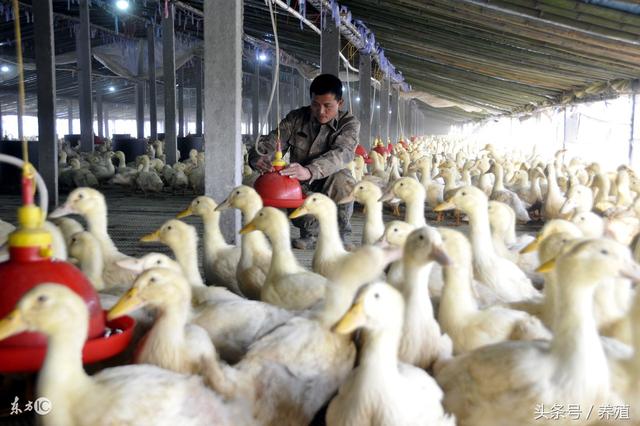
Prevention and treatment of meat duck poisoning
3. Prevention and treatment measures
There is no effective drug treatment for this condition; as long as the feed containing aflatoxins is stopped, the disease and deaths will quickly cease. In warm and rainy seasons, feed must be prevented from becoming moldy.
II. Sulfonamide drug poisoning
1. Causes of the disease
Taking sulfonamide drugs for too long or in too large a dose will cause poisoning.
Duck farming: Eighteen taboos of meat duck farming
2. Clinical symptoms
Acutely poisoned birds show symptoms such as excitement, refusal to eat, diarrhea, spasms and paralysis; chronic cases show depression, reduced appetite, diarrhea, and soy-sauce-colored droppings. Sick ducks develop hemolytic anemia, and egg production decreases or soft-shelled eggs are laid.
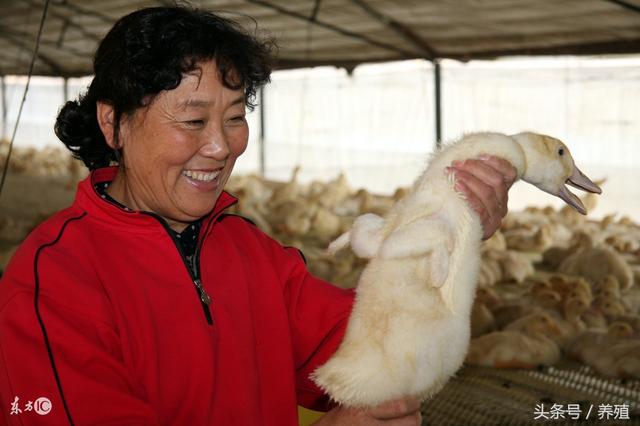
Prevention and treatment of meat duck poisoning
3. Prevention and treatment measures
Stop administering sulfonamide drugs, and at the same time give 1% to 5% baking soda water.
III. Salt poisoning
1. Causes of the disease
Accidentally eating feed or drinking water containing too much salt. The incidence of salt poisoning is especially high in ducklings.
2. Clinical symptoms
Sick ducks show poor appetite, increased thirst, mucus flowing from the mouth and nose, listlessness, weak legs, difficulty moving, easy paralysis, difficulty breathing, and restless calling.
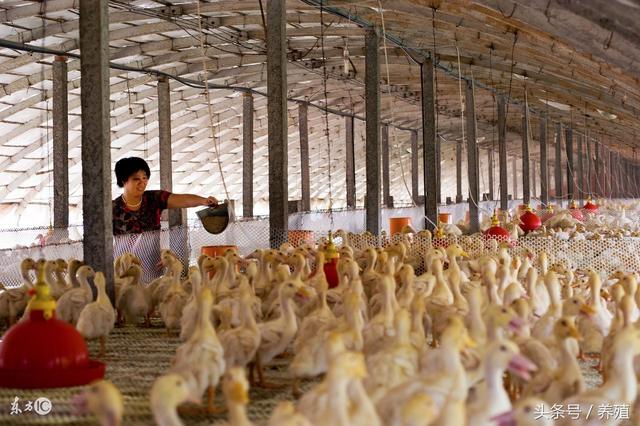
Prevention and treatment of meat duck poisoning
3. Prevention and treatment measures
Immediately stop feeding salt-containing feed and drinking water, provide clean drinking water with sugar added, and feed more green fodder.
Friends interested in farming can follow: Farming, where exciting farming news and technical articles are shared every day. Submission email: [email protected].