A Detailed Guide to the Cultivation Methods and Precautions for Bleeding Heart Vine
Hezhou Peony - Cultivation Methods and Cultivation Precautions for Bleeding Heart Vine
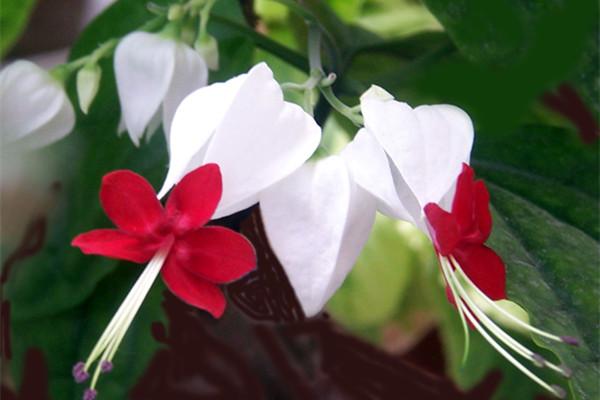
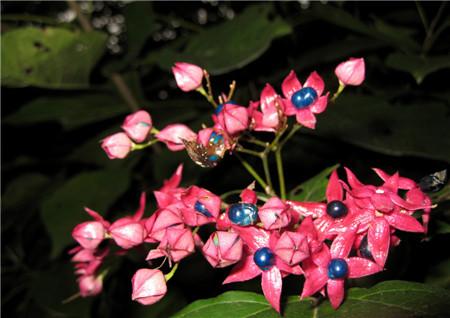
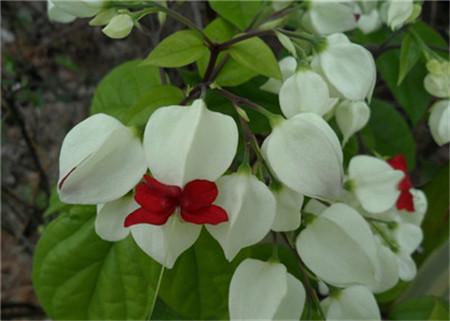
Bleeding Heart Vine (Clerodendrum thomsoniae) is a perennial plant of the Verbenaceae family. Because the morphological characteristics of its corolla and calyx closely resemble a dragon spitting out pearls, it was named "dragon spitting pearls" by a Chinese person. Before that, it was actually called "Pearl Pagoda." Let's take a look at how to grow this plant named by a Chinese person!
Cultivation Methods for Bleeding Heart Vine
Repotting
For potted Bleeding Heart Vine, repotting is generally done once every 1~2 years, and the timing can be in early spring or after the flowers fade. When repotting, first cover the drainage hole with broken tile pieces, then add a small amount of bone meal as base fertilizer, and then fill in new potting soil (4 parts leaf mold, 4 parts garden soil, 2 parts sand). Plant the specimen well, leaving 2~3 cm of rim space at the top for fertilizing and watering. After repotting, water thoroughly and place in a shaded area for the plant to recover; after recovery, move it to a spot with ample sunlight for care.
Water and Fertilizer Management
Watering: Bleeding Heart Vine is relatively sensitive to moisture. During the stem and leaf growth period, keep the soil moist, but do not overwater. Excessive water will cause it to grow only vines without blooming, and can even cause leaves to yellow and drop, and roots to rot and die. In the high-temperature summer season, water thoroughly and provide appropriate shade. In winter, reduce watering to let it go dormant so it can safely overwinter.
Fertilizing: Fertilizing should not be excessive. During the blooming season, apply 1 dose of well-rotted dilute cake fertilizer water every 7~10 days, and applying 3~4 doses consecutively is sufficient. If yellowing is observed during cultivation of Bleeding Heart Vine, apply 0.2% ferrous sulfate solution together with topdressing, and the leaves will gradually turn from yellow to green.
Temperature and Light
Temperature: It should not be placed in darkness for too long. At temperatures above 21°C, if kept for more than 24 hours, it will drop its flowers.
Light: Bleeding Heart Vine needs ample light in winter. When the weather is too hot in summer, it should be shaded, otherwise the leaves will yellow. When light is insufficient, it will cause vine-like growth and fail to bloom. Flower bud differentiation is not affected by photoperiod, but stronger light promotes flower bud differentiation and development.
Propagation Methods
Bleeding Heart Vine can be propagated by two methods: seeding and cuttings.
Precautions for Keeping Bleeding Heart Vine at Home
Shaping and Pruning
Home-grown Bleeding Heart Vine generally grows relatively short, but its branches can actually grow very long. With attention to shaping and pruning, you can cultivate a very beautiful Bleeding Heart Vine. You can either let it grow trailing long branches or prune it into a lovely compact plant.
During the growth and development period, pay attention to pinching, control the height of the branches, keep the plant's branches neat, and maintain a beautiful appearance.
Common Pests and Diseases
Common diseases of Bleeding Heart Vine: leaf spot, rust, mosaic virus, gray mold
Common pests of Bleeding Heart Vine: leaf beetles, stinging caterpillars, scale insects, whiteflies.
The copyright of this article belongs to Huabaike. If reprinting is needed, please indicate the source.