How to Grow Spider Plants? Detailed Guide to Cultivation Methods and Precautions

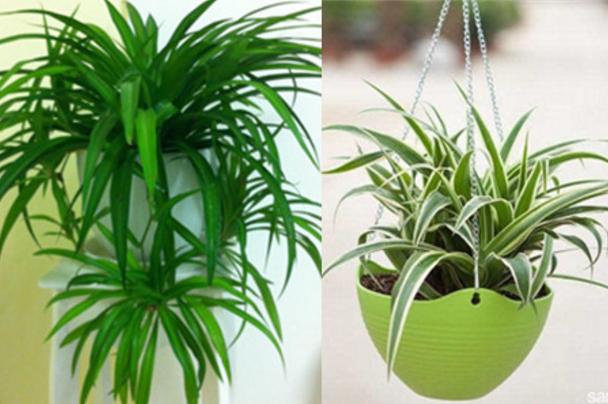
When it comes to spider plants, how much do you really know about them? Let me tell you all about them below. First of all, what do the spider plants we usually grow at home look like? Spider plants generally have sword-shaped leaves, 10-30 cm long and 1-2 cm wide, with thick roots and short stems. Their most distinctive feature is that mature plants often produce runners, generally 30-60 cm long, with small plantlets and flower scapes longer than the leaves, up to 50 cm, growing at the tips. There are many varieties of spider plants with different characteristics, commonly divided into spider plant, purple spider plant, flowering spider plant, golden-leaf spider plant, and silver-edge spider plant. Besides being commonly used as indoor ornamental plants, spider plants also have medicinal value. For example, in traditional Chinese medicine, they can resolve phlegm and relieve cough, dissipate blood stasis and reduce swelling, clear heat and detoxify, and are mainly used to treat bruises, fractures, burns, and hemorrhoids; they are also highly effective for children's fever and vomiting blood. Spider plants are loved by people because they are not only pleasing to the eye but can also purify the air, which is why they are known as the "green purifier."
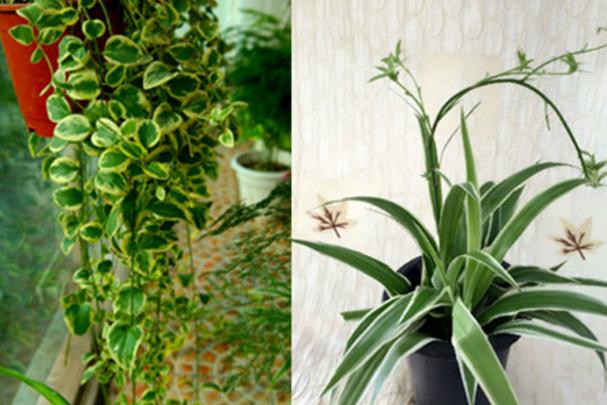
When it comes to spider plants, how much do you really know about them? Let me tell you all about them below. First of all, what do the spider plants we usually grow at home look like? Spider plants generally have sword-shaped leaves, 10-30 cm long and 1-2 cm wide, with thick roots and short stems. Their most distinctive feature is that mature plants often produce runners, generally 30-60 cm long, with small plantlets and flower scapes longer than the leaves, up to 50 cm, growing at the tips. There are many varieties of spider plants with different characteristics, commonly divided into spider plant, purple spider plant, flowering spider plant, golden-leaf spider plant, and silver-edge spider plant. Besides being commonly used as indoor ornamental plants, spider plants also have medicinal value. For example, in traditional Chinese medicine, they can resolve phlegm and relieve cough, dissipate blood stasis and reduce swelling, clear heat and detoxify, and are mainly used to treat bruises, fractures, burns, and hemorrhoids; they are also highly effective for children's fever and vomiting blood. Spider plants are loved by people because they are not only pleasing to the eye but can also purify the air, which is why they are known as the "green purifier."
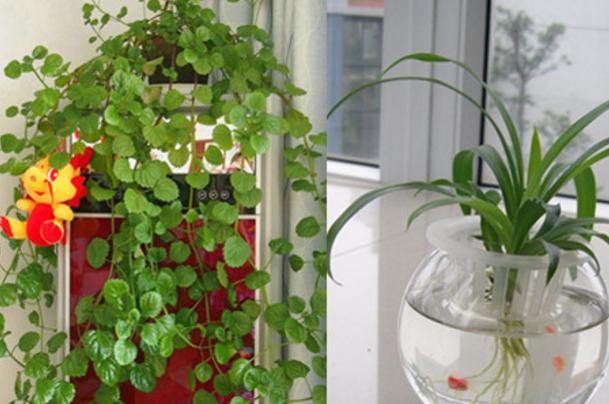
After all this talk about cultivation methods, have you mastered them? By the way, let me remind you here, friends, to pay attention to the following points when growing spider plants. Spider plants have relatively few pests and diseases, but that does not mean there are none; the common ones are scale insects, mites, aphids, and so on, so you should still check regularly and promptly remove scale insects from the leaves. In addition, home-grown spider plants often develop yellowing leaf tips. When this happens, it means we need to repot them more frequently, generally once every 3 months, and pay attention to light, temperature, and ventilation. The most suitable growing temperature for spider plants is 15-25°C; in winter, they can grow normally and produce leaves and flowers at 12°C or above. They grow fastest at 20-24°C. Generally, yellowing leaf tips indicate that the temperature is above 30°C and the plant has stopped growing. Finally, let me remind everyone not to pamper your spider plant too much for fear it will get thirsty. In fact, spider plants are very drought-tolerant, so you do not need to water them too much.
Money Tree, Lucky Bamboo, Bonsai, Spider Plant Indoor Small Potted Plants
Pothos and Money Tree Potted Plants, Indoor Living Room, Flowers, Green Plants, Spider Plant
Gardenia, Money Tree, Ivy, Aloe Indoor Potted Plants, Horticultural Flowers, Green Plants, Pothos, Spider Plant, Rose
Money Tree, Gardenia, Evergreen Ivy, Office Flowers, Green Plants, Potted Plants, Pothos, Spider Plant, Desert Rose