Key Points and Technical Details for Raising Hy-Line Brown Shell Egg-Laying Hens
Summary: The Hy-Line Brown shell egg-laying hen is an excellent four-line crossbred egg-laying chicken breed developed by Hy-Line International of the United States. Hy-Line Brown shell egg-laying hens have strong adaptability, cold tolerance, heat tolerance, strong disease resistance, and a high survival rate. The Hy-Line Brown shell egg-laying hen is an egg-laying chicken breed suitable for large-scale farming, with excellent characteristics such as low stress response, high feed conversion efficiency, high egg production, and a high survival rate, and it is currently the main breed for egg-laying chicken farming in our country. Let us take a detailed look below: Key technical points for raising Hy-Line Brown shell egg-laying hens, and raising techniques for Hy-Line Brown shell egg-laying hens.
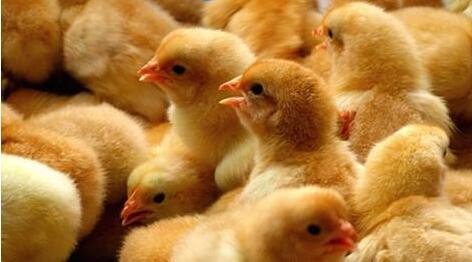
1. Management of Hy-Line Brown shell egg-laying hens during the brooding period
The stage from 1 day of age to 7 weeks of age is called the brooding period of Hy-Line Brown shell egg-laying hens. First, clean the brooding room thoroughly and disinfect it strictly; a three-step disinfection method can be used. The first disinfection uses 5% caustic soda for spraying, the second disinfection uses an iodine-containing or chlorine-containing disinfectant, and the third uses potassium permanganate solution for fumigation. A one-week interval between disinfections is appropriate. Before the chicks arrive, the indoor temperature should be maintained at 35-36°C. At 1-3 days of age, the room temperature should continue to be maintained at 35-36°C; at 4-7 days of age, it is appropriate to maintain it at 33-34°C; afterward, lower it by 2°C each week until the temperature remains at 21°C. During the brooding period, the relative humidity can be maintained at 65%-70%. Because newly hatched chicks may not start eating or drinking without light stimulation, during the first 3 days after the chicks arrive, strong light should be maintained for 20-23 hours per day, until after 7 days, when it gradually returns to normal lighting. In fully enclosed chicken houses, 40-60 watt bulbs are generally used, with a spacing of about 3 m between lights.
2. Management of Hy-Line Brown shell egg-laying hens during the growing period
The growing period of Hy-Line Brown shell egg-laying hens is 7-20 weeks of age. At this time, the hens' ability to adapt to the external environment is enhanced, and they have sound thermoregulatory ability. The temperature is generally maintained at 18-23°C, and the humidity at 60%-70%. At the same time, do a good job of ventilation and promptly remove harmful gases such as ammonia, carbon dioxide, and hydrogen sulfide from the chicken house. As the age of Hy-Line Brown shell egg-laying hens increases, density adjustments must be made in a timely manner. Taking cage-raised chickens as an example, at 7-10 weeks of age, 24 Hy-Line Brown shell egg-laying hens can be placed per sq m; at 10-20 weeks of age, 14-16 Hy-Line Brown shell egg-laying hens can be placed per sq m. At the same time, the feed composition during the growing period should be reasonably matched, and the protein content in the feed can be appropriately reduced to prevent the flock from becoming overweight. After 15 weeks of age, the feed formula should be adjusted again to increase the calcium content in the feed, so that the hens deposit enough calcium before starting to lay. During the growing period, feeding is generally done 3-4 times per day. If the flock is found to be overweight, the number of feedings and the feeding amount can be appropriately reduced. Light affects the sexual maturity of chickens, and maintaining 11 hours of light during the growing period is sufficient.
3. Management of Hy-Line Brown shell egg-laying hens during the laying period
During the laying period, management of temperature, humidity, and ventilation can be consistent with that of the growing period. At the same time, egg production can be increased by appropriately increasing light. On the basis of the lighting during the growing period, increase light by 1 hour each week until daily light increases to 15-16 hours, and then continue to maintain it. In enclosed chicken houses, 40-60 watt bulbs can be used, with a spacing of 3 m between lights. During the laying period, the hens need large amounts of calcium, phosphorus, vitamins, and trace elements, so nutrition must be sufficient and balanced, so as to ensure the hens' best production performance. At 19-40 weeks of age, the feed formula should contain 57.6% corn, 24.5% soybean meal, 3% fish meal, 2.5% bone meal, 5% wheat bran, 7% shell powder, 0.15% feed additives, 0.15% amino acids, and 0.1% choline. Add 15-20 grams of compound multivitamins per 100 kg of feed. At 40-60 weeks of age, the following formula can be used as a reference: 60.18% corn, 21.5% soybean meal, 2.5% fish meal, 2.5% bone meal, 5.6% wheat bran, 7% shell powder, 0.35% salt, 0.15% feed additives, 0.12% amino acids, and 0.1% choline. Add 15 grams of compound multivitamins per 100 kg of feed. After 80 weeks of age, the egg production of Hy-Line Brown shell egg-laying hens declines, the feed-to-egg ratio continues to increase, and they gradually lose production value, so they can be culled as commercial chickens. Overall, the feeding and management of Hy-Line Brown shell egg-laying hens is relatively worry-free, with a high return rate and good economic benefits.
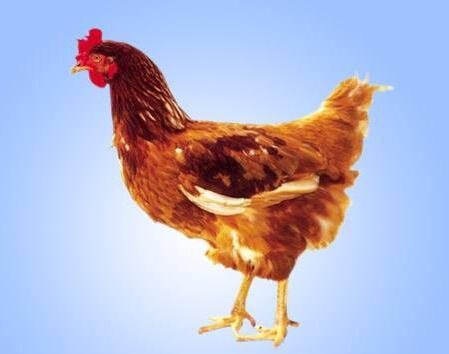
Raising techniques for Hy-Line Brown shell egg-laying hens
The nutritional requirements of egg-laying hens at each stage have certain standards. Excess nutrition in the feed will cause waste, increase costs, and also make the hens overweight, affecting egg-laying performance; insufficient nutrition in the feed will inhibit the hens' body weight, disrupt the normal growth of the hens, and cause them to lose the high-yield performance they should have. Therefore, egg-laying hen farmers should refer to the nutritional standards for hens at each stage and formulate reasonable feeding formulas. I. Site planning, site selection, and chicken house construction for Hy-Line Brown shell egg-laying hens
1. Site selection for a Hy-Line Brown shell egg-laying hen farm. First consider compliance with local land-use planning; secondly, it should be conducive to disease prevention, with high and dry terrain, and more than
1000 m from market towns, trunk highways, and railways, more than 500 m from secondary traffic roads and residential areas, and with no chemical plants, mining plants, leather factories, meat processing plants, slaughterhouses, garbage and sewage treatment plants, etc. within 2000 m around it.
2. Infrastructure for Hy-Line Brown shell egg-laying hens. There should be a stable clean water source, and water quality should meet the "Standard for Drinking Water Quality of Livestock and Poultry for Pollution-Free Food (NY5027-2001)"; power supply should be guaranteed; transportation should be convenient, with a dedicated road leading directly to the farm.
3. Moderate scale for Hy-Line Brown shell egg-laying hens, with a single farm built to hold 10,000-50,000 birds. If the scale is too large, it is not conducive to all-in-all-out and increases management difficulty; if the scale is too small, it increases the proportion of technical and management costs in total costs and reduces benefits. A farming scale of 10,000-50,000 birds is currently the main trend in egg-laying hen farming in our country; small-scale operations are gradually being eliminated, and ultra-large-scale operations require too much one-time investment.
4. Dispersed layout for Hy-Line Brown shell egg-laying hens. Controlling the spread of disease has now become the key to whether egg-laying hen farming benefits are good or bad. The densely laid-out farming community model has been rejected because disease prevention is difficult. Moderate dispersed layout is now advocated, with appropriate spacing maintained between chicken farms, which is conducive to establishing a biosecurity system, improving disease prevention results, and reducing disease risk.
5. Types of chicken houses for Hy-Line Brown shell egg-laying hens. Two types are mainly recommended: open-sided houses with windows and enclosed houses. Among them, enclosed houses have the best use effect, and if conditions permit, it is best to build an enclosed house. Open-sided houses with windows have a relatively low construction cost, and in daily production they can make full use of natural light and natural ventilation, saving production electricity, so production and operating costs are lower than those of enclosed houses. However, open-sided houses are easily affected by external environmental conditions, and the insulation and heat insulation performance of the chicken house is not as good as that of enclosed houses. Production levels such as feed conversion efficiency, egg-laying performance, and adult chicken mortality and culling rate are not as good as those of enclosed houses. Although the daily production and operating cost of enclosed houses is high, the microclimate in the house is well controlled, the air quality in the house is good, the living environment for the flock is suitable, the production level is high, and the mortality and culling rate is low.
For the internal layout, open-sided houses can use two rows with three aisles or three rows with four aisles, and enclosed houses can use a layout of three rows with four aisles or four rows with five aisles. Matching cages can use 3-tier stepped or 4-tier stepped types.
6. Supporting equipment for Hy-Line Brown shell egg-laying hens. It is recommended to use hot-air furnaces for insulated brooding, nipple drinking, mechanical feeding, mechanical manure cleaning, and fan and wet-curtain cooling. In addition, if conditions permit, emergency power generation equipment must also be provided.
II. Raising techniques for Hy-Line Brown shell egg-laying hens at different stages
1. Brooding period of Hy-Line Brown shell egg-laying hens: high-temperature brooding.
Hy-Line Brown shell egg-laying hens need suitable density, reasonable ventilation, and high-quality feed. For Hy-Line Brown shell egg-laying hens, good prevention of Newcastle disease, bursal disease, infectious bronchitis, and vitamin and amino acid deficiencies, which can cause poor growth, is important. Feed and drugs for Hy-Line Brown shell egg-laying hens should not be stored in a high-temperature brooding room to avoid mold and quality changes. Water and feed should be supplied on time for Hy-Line Brown shell egg-laying hens to avoid unevenness. For Hy-Line Brown shell egg-laying hens, beak trimming at 7-9 days of age causes the least stress and also has good results. Strive to succeed in one attempt. Note that during the 5 days of beak trimming for Hy-Line Brown shell egg-laying hens, antibacterial drugs and vitamins should be used. At the same time, maintain a relatively thick feed layer to prevent chickens from pecking at feed fines and hitting the trough and bleeding. Using a 1%-3% caustic soda solution to disinfect the floor daily or every 3 days can effectively kill bacteria and coccidia. Reduce disease and bad odors. Adjust density and feed formula according to the body weight of Hy-Line Brown shell egg-laying hens. Classify and raise Hy-Line Brown shell egg-laying hens in a timely manner. Ensure that body weight and uniformity for Hy-Line Brown shell egg-laying hens meet standards. At the end of brooding for Hy-Line Brown shell egg-laying hens, if body weight is insufficient, continue using chick feed until body weight meets the standard.
2. During the growing period of Hy-Line Brown shell egg-laying hens, focus on body weight management techniques.
Before 12 weeks of age, the body weight of Hy-Line Brown shell egg-laying hens must meet the standard. Uniformity should be above 80%, and inferior feed must absolutely not be used; strengthen ventilation and disinfection. For Hy-Line Brown shell egg-laying hens, focus on preventing Newcastle disease and rhinitis, chronic respiratory disease, and colibacillosis. Use a constant or decreasing lighting program for Hy-Line Brown shell egg-laying hens to prevent early maturity. After Hy-Line Brown shell egg-laying hens reach 80 days of age, the reproductive system of the chickens develops faster, and remember that nutrition must be balanced and sufficient. When Hy-Line Brown shell egg-laying hens approach 100 days of age, respiratory disease and colibacillosis may cause serious damage to egg-laying performance, resulting in no peak in egg production.
3. The laying period of Hy-Line Brown shell egg-laying hens requires a stable environment and good nutritional management.
For Hy-Line Brown shell egg-laying hens, when moving from the pullet stage to the early laying stage, nutrition should be adjusted according to development, and the increase of limestone powder and protein feed should have a 2-3 week transition. After 90 days of age, pay attention to whether the breastbone development of Hy-Line Brown shell egg-laying hens is normal to prevent calcium deficiency, and appropriately supplement vitamins. The peak egg production rate of Hy-Line Brown shell egg-laying hens should reach about 96%, and the feed-to-egg ratio should be 2.0-2.3:1. An egg production rate above 90% should be maintained for more than 5 months. Daily feeding of Hy-Line Brown shell egg-laying hens should adhere to even feed distribution and clean troughs to ensure the chickens eat evenly and fresh feed. In summer, use shading and mechanical ventilation cooling for Hy-Line Brown shell egg-laying hens.
Spraying cold water mist on Hy-Line Brown shell egg-laying hens can effectively reduce the decline in feed intake and death caused by heat stress. Disease occurring in the early laying period may cause serious damage to egg-laying function. For Hy-Line Brown shell egg-laying hens, focus on preventing and controlling viral diseases such as Newcastle disease, infectious bronchitis, avian influenza, and infectious laryngotracheitis; bacterial diseases such as rhinitis, chronic respiratory disease, colibacillosis, and necrotic enteritis; parasitic diseases such as leukocytozoonosis, chicken lice, and roundworms; and attention should also be paid to fatty liver, gout, feather pecking, stubborn diarrhea, and unexplained declines in egg production.
After 300 days of age, appropriately supplement calcium and vitamins AD3 for Hy-Line Brown shell egg-laying hens to improve eggshell quality. Proper medication between the early laying period and the peak period can prevent inflammation of the oviduct and ovary, and is very beneficial for promoting the rise and stability of the egg production rate. Attention should be paid to the dynamics of disease epidemics for Hy-Line Brown shell egg-laying hens, and response measures should be actively taken to ensure high and stable production. In autumn and winter, sunshine duration shortens for Hy-Line Brown shell egg-laying hens, and combined with cold weather, many chicken farms that manually control lighting often have disordered morning and evening light switching times, causing light stress and a decline in egg production. On rainy and snowy days, Hy-Line Brown shell egg-laying hens should actively receive supplemental light; it is recommended to use an electronic light controller to reduce human operational errors.
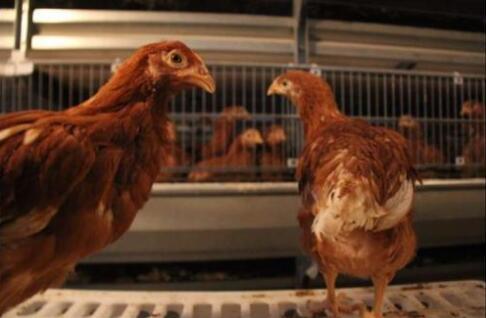
III. Water consumption and lighting requirements of Hy-Line Brown shell egg-laying hens.
The water consumption of Hy-Line Brown shell egg-laying hens directly depends on environmental temperature and feed consumption, and feed consumption in turn depends on environmental temperature. At 20-25°C, which is most suitable for chicken growth, drinking water volume is twice the feed consumption. Under high-temperature conditions, the ratio changes because feed consumption decreases while water consumption increases.
Lighting can affect the survival rate of Hy-Line Brown shell egg-laying hens, and egg production also changes with the lighting of Hy-Line Brown shell egg-laying hens. Lighting also affects egg size and other overall benefits. The basic lighting guidelines for Hy-Line Brown shell egg-laying hens are:
(1) On the first and second days of laying, hens of Hy-Line Brown shell egg-laying hens should be exposed to 20 lux of light for 20-22 hours. From the second day to the 8th week, use an intensity of 5 lux for 8-10 hours per day. From the 8th week to the 17th week, maintain 8-10 hours of light per day, or place them outdoors in normal weather or in a dimly lit house.
(2) When the body weight of Hy-Line Brown shell egg-laying hens reaches 1.47 kg, provide light stimulation. Initially, increase the daily light time by no less than 1 hour, and increase the light time by no less than 15-30 minutes each week until reaching 16 hours. The light stimulation time should continue until the arrival of the peak laying period, and light intensity should be increased to 10-20 lux.
(3) It is not allowed to reduce light intensity or shorten light time for adult Hy-Line Brown shell egg-laying hens.
IV. Requirements of Hy-Line Brown shell egg-laying hens for temperature, density, humidity, and ventilation.
1. Brooding period of Hy-Line Brown shell egg-laying hens: 0-3 days of age, 33-36°C. Humidity above 60%. Afterward, lower by 2-3°C each week until 21-25°C. Specific operations depend on the season and the performance of the chickens. Adjust temperature by observing the chickens. Reasonable temperature and humidity at one week of age are crucial for improving the survival rate. Strictly prevent gas poisoning. High-temperature brooding is conducive to the absorption of egg yolk and the survival and recovery of weak chickens. It also reduces the occurrence of pullorum disease and colibacillosis.
2. Growing period of Hy-Line Brown shell egg-laying hens: about 25°C is more suitable. Low temperature easily causes rhinitis and chronic respiratory disease.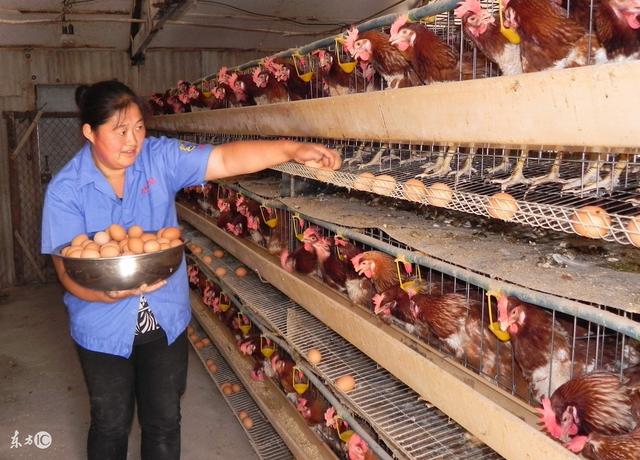
3. Laying period of Hy-Line Brown shell egg-laying hens: 17-26°C is more suitable. A temperature difference above 5°C causes greater stress to the flock. Above 28°C, obvious panting occurs. Above 35°C can cause mass heatstroke. Poor ventilation plus high temperature is seriously harmful to chicken health. In autumn and winter, pay attention to weather forecasts to prevent drafts and strong winds from causing a large drop in temperature and the occurrence of respiratory disease.
4. From hatching to 20 weeks of age, Hy-Line Brown shell egg-laying hens molt 4 times. There are also seasonal and age-related molts. During the growing period, the amount of feather debris is large. Pay special attention to ventilation and disinfection. Otherwise, it may cause respiratory disease and colibacillosis.
5. Density of Hy-Line Brown shell egg-laying hens: at 1-2 weeks of age, fewer than 60 birds per sq m in cages. Fewer than 30 birds in floor rearing. At 3-4 weeks, about 40 birds per sq m in cages. About 25 birds in floor rearing. At 5-6 weeks, 20-30 birds per sq m in cages. Fewer than 20 birds in floor rearing. After 2 weeks of age, high flock density affects development and induces many diseases. In flocks with high density, the air is foul. Feeding and drinking are restricted. Pathogens can accumulate in large amounts. It is easy to produce weak chickens that become susceptible chickens. This increases the risk of disease. Because [provincial local "may pay a greater price.
Dear farming friends, from now on, follow the WeChat official account: (Tianxingjian Biotechnology / txjdwyy). If you have any farming-related questions, market analysis, farming doubts, disease prevention and control, or policy interpretations, our professional teachers will reply to you as soon as possible!