How to grow Phalaenopsis orchids? Master the cultivation techniques of the queen of orchids
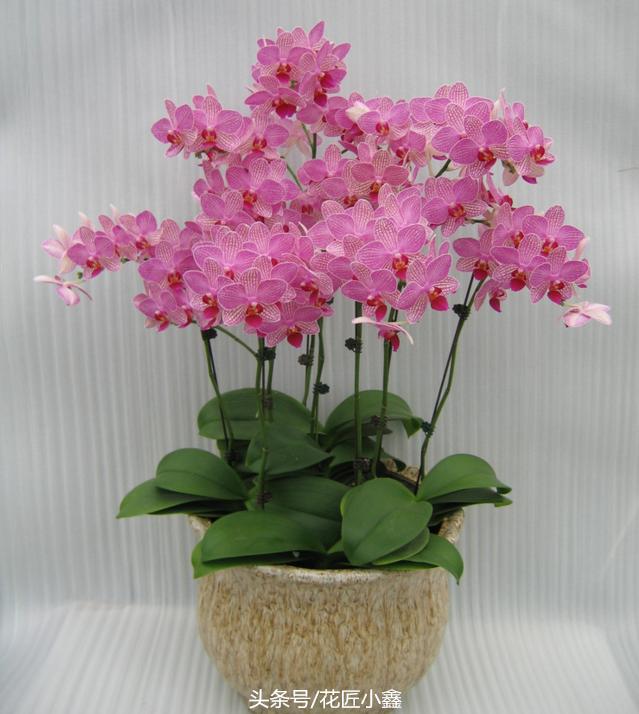
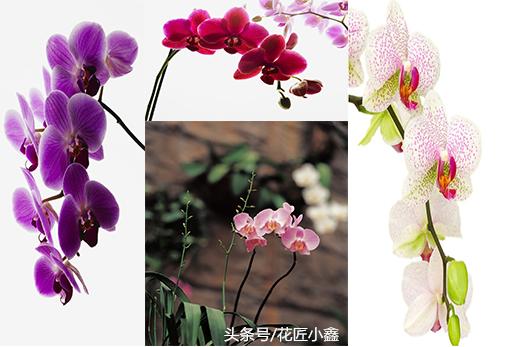
Phalaenopsis orchids originate from Asia. Since they were first discovered in 1750, more than seventy native species have been recorded to date. Phalaenopsis is a genus in the orchid family, with short stems and large leaves, arching flower spikes, and relatively large petals that resemble a pair of butterfly wings, graceful in form and gorgeous in color. The flower language of the Phalaenopsis is "I love you" and "happiness is flying to you," representing loyalty, wisdom, reason and virtue. When you give a bouquet made from the Phalaenopsis orchids you have carefully cultivated to him or her, the other person will surely feel your beautiful sentiments.
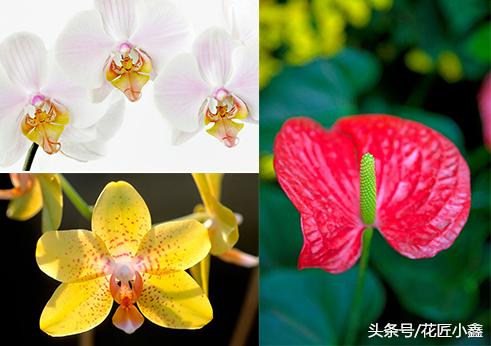
Temperature For indoor cultivation of Phalaenopsis, the first key care point is to ensure temperature. Phalaenopsis likes high temperatures, and during the growing period the minimum temperature should be kept above 15°C. Especially in winter, extra attention should be paid to taking warming measures to ensure the safety of the Phalaenopsis. Conversely, if the temperature is too high and exceeds 32°C, it will also hinder the growth of Phalaenopsis, so in the hot summer it is necessary to prepare for cooling. When blooming, the nighttime temperature is best kept within the range of 13-16°C, which can extend the flowering period.
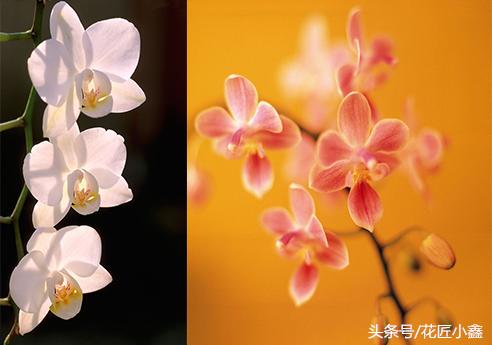
Watering Phalaenopsis likes a high-humidity environment. If humidity is insufficient, the leaves will wrinkle and become weak and limp. The suitable humidity for Phalaenopsis is 60%-80%, and especially during the peak growth period it should be watered more. In summer, water once each at 9 o'clock and 13 o'clock; in spring and autumn, water once around 17 o'clock; in winter, water once every other week, before 10 o'clock. In addition, when watering during the flowering period, do not spray water onto the flowers, and tap water should be stored for more than 72 hours before use for irrigation.
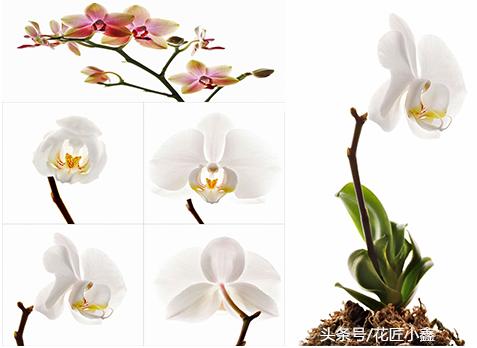
Light and ventilation Phalaenopsis likes shade, but before and after the flowering period it should be exposed to appropriate scattered light, which can promote flowering, make the flowers vivid, and prolong the flowering period. A well-ventilated environment is more suitable for the growth of Phalaenopsis. Especially in summer, ventilation can help lower the temperature and prevent heatstroke, and can also avoid infection from pests and diseases.
Nutrient supplementation Phalaenopsis is fertilized year-round, whether in winter or summer. In spring and summer before flowering, apply organic fertilizer once every 7 to 10 days, and stop fertilizing when there are flower buds; after the flowering period, when leaves begin to grow, apply nitrogen fertilizer and potassium fertilizer; in autumn and winter, to promote flower spike growth, apply phosphorus fertilizer once every 2-3 weeks. Fertilize in the afternoon after watering, and after several times rinse the orchid pot and orchid plant with water to prevent residual inorganic salts from corroding the roots.