What are the cultivation methods and precautions for clivia?
Clivia cultivation tips
Water use
To grow clivia in water, you cannot use tap water directly; you must use water that has been "aged." So-called "aged" water means putting tap water in a container and leaving it in the sun for 3-5 days so that bleaching powder and other chlorides harmful to clivia roots settle out.
Watering
This flower is relatively drought-tolerant. However, even drought-tolerant flowers cannot be severely short of water, and you must not forget to water them in time. But too much watering will cause root rot. So it must be handled well.
Light
This flower does not have high light requirements. As long as the temperature is suitable, it does not matter whether the light duration is a little longer or shorter. Although good light can ensure the clivia flowers are brightly colored, it still prefers slightly weaker light, so be sure to avoid strong light.
Repotting
When the clivia grows larger, it needs a bigger pot; this is "repotting and changing the soil."
Summer heat avoidance
In midsummer, the temperature is often above 30°C, which is extremely unfavorable for clivia growth. For this reason, a shed is commonly used to lower the temperature.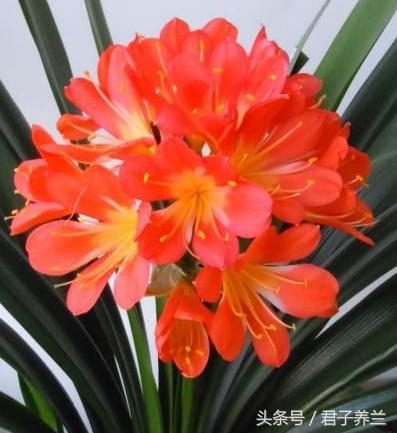
1. Watering: Clivia has relatively well-developed fleshy roots, and the roots store a certain amount of water, so this flower is relatively drought-tolerant. However, even drought-tolerant flowers cannot be severely short of water. Especially in summer when high temperatures are combined with dry air, you must not forget to water in time; otherwise, the roots and leaves of the plant will be damaged, causing new leaves to fail to sprout and the original leaves to scorch. This not only affects flowering but may even cause the plant to die. However, too much watering will cause root rot. So it must be handled well, and you should always pay attention to whether the potting soil is dry or moist. When it becomes semi-dry, water it once, but the amount should not be too much. Keeping the potting soil moist but not soggy is just right. 2. Soil: Clivia is suitable for soil rich in humus. This kind of soil has good air permeability, good water permeability, and is fertile and slightly acidic (pH6.5). It must be handled flexibly according to various specific situations. For example, on sunny days water more; on cloudy days water less, and during consecutive cloudy days water once every few days; on rainy days do not water. Mixing about 20% sand grains into the humus soil is beneficial for root maintenance. During cultivation, the pot should be gradually increased in size as the plant grows. When cultivating one-year-old seedlings, a 3-inch pot is suitable. In the second year, change to a 5-inch pot, and afterward repot into a pot one size larger every 1--2 years. Repotting can be done in spring and autumn. So, exactly how many days should there be between waterings? Under normal circumstances, water once a day in spring; for summer watering, use a fine watering can to water the leaf surface and the surrounding ground together, and on sunny days water twice a day; in autumn water once every other day; in winter water once every other day; in winter water once a week or less. But note that this refers to "normal circumstances."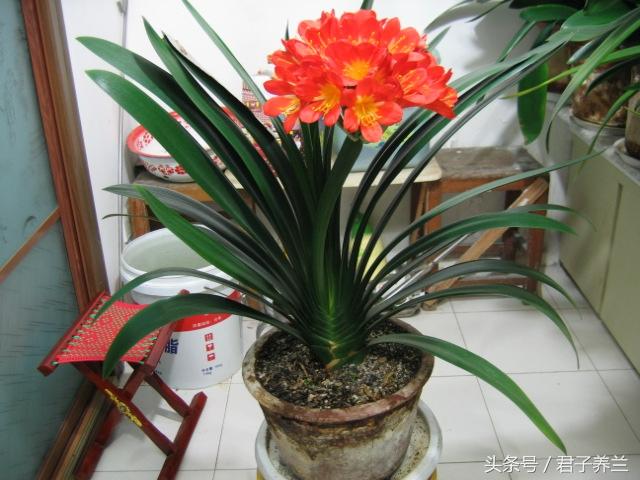
For clivia care, loose, fertile neutral or slightly acidic humus soil should be used. The cultivation soil can be made by mixing 65% humus soil, 20% clean sand, and 15% fine stove ash. The relative humidity of the soil should be around 40%. If the soil is compacted and drainage is poor, it will cause root rot. The clivia's place of origin is under the large trees in high-altitude forests of southern Africa, where the root system grows on leaf mold layers accumulated over many years. When changing soil in spring, it is best to buy special clivia soil for planting. Special clivia soil is leaf mold soil, which is extremely suitable for clivia growth.For clivia, apply a solid fertilizer once in winter, apply less nitrogen fertilizer, and apply more phosphorus fertilizer and potassium fertilizer. Eggshell powder and thoroughly decomposed fishy water are very good phosphorus fertilizers, while chaff ash and tobacco ash are readily available potassium fertilizers.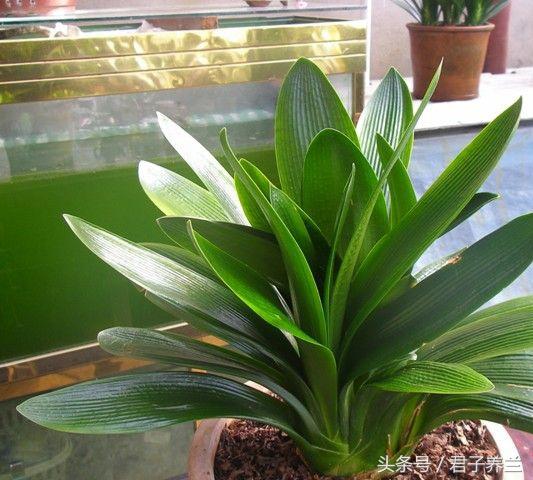
When the room temperature is low, watering should be controlled to prevent the potting soil from becoming too wet. Too-wet potting soil will cause the plant to rot at the roots and die, but the potting soil also must not become too dry. You can also apply a nitrogen, phosphorus, and potassium compound fertilizer to encourage more new shoots and leaves to emerge. The soil should not be too dry or too wet. Each watering must soak through, and after flower buds appear, water a little more. About every 20 days, combine watering with applying fermented soybean cake water, dilute fishy water, and horseshoe water, etc., combining watering and fertilizing. Fertilization must be moderate, and absolutely avoid applying concentrated fertilizer or raw fertilizer that has not been fermented and decomposed; otherwise, it can easily cause leaf tip scorching or rot. In winter, if spots appear on new leaves and the root system turns yellow, it indicates too much fertilizer, while new leaves that are narrow, thin, and especially pale indicate a lack of fertilizer. 4. Heat preservation: The suitable temperature for clivia growth in winter is 15-20°C, and it is best not to go below...