How big are the profits from crayfish farming, and how much can you earn per mu?
Crayfish are delicious and nutritious, and are deeply loved by everyone. In peak crayfish season, demand even exceeds supply, and farming crayfish has become a popular farming choice. So how big are the profits from crayfish farming? Let's analyze it together.
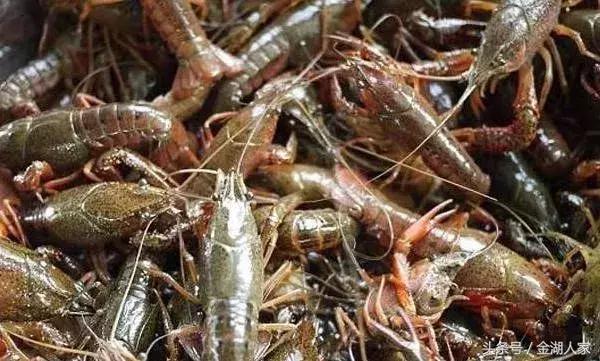
How many crayfish can one mu of land produce?
Under normal circumstances, one mu of land can produce about 600 jin of crayfish. With intensive farming, the yield will be higher, but the corresponding investment is also relatively larger. If this yield is not reached, it proves that the number of shrimp fry is insufficient; you need to adjust the stocking density and size of the shrimp fry, and also pay attention to the farming method to see whether there is a problem with the water depth.
At most, how many jin of shrimp fry can be stocked per mu of land?
The stocking density depends on the size of the fry, the area of the shrimp pond, the depth of the pond water, the condition of the pond bottom, the water exchange conditions, the type of bait, the feeding method, production skills and management level, and should also be determined by referring to the yield requirements and size indicators proposed by the shrimp farmer.
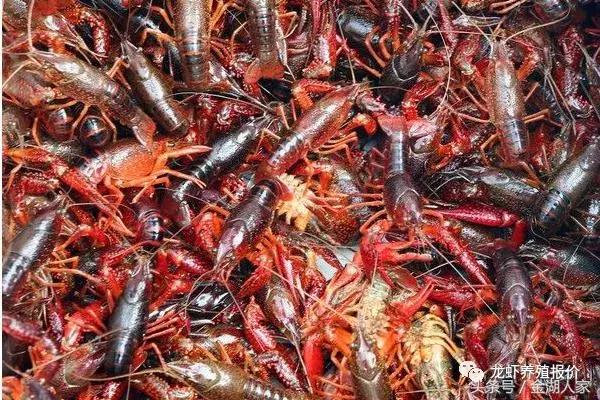
In an intensive shrimp pond, under conditions of good shrimp fry quality, superior water exchange conditions, guaranteed bait, and a high level of feeding and management, the stocking quantity per mu can be about 20,000 fry, and should not exceed 25,000 fry. For shrimp fry that have gone through intermediate rearing (body length about 2.5 cm), the stocking quantity per mu should be controlled between 8,000 and 12,000 fry.
The stocking quantity can be calculated by referring to the following formula: stocking quantity = (planned fry yield (kg) × the number of shrimp required to grow 1 kg) / estimated survival rate.
In the formula: the planned yield per mu can refer to the past yields of nearby farms; the number of shrimp needed to grow 1 kg can be calculated as 30 to 50 shrimp (body length 12 to 15 cm); the survival rate is calculated at 50% to 70%, and for intermediately reared shrimp fry it is calculated at 85%.
How much can you earn by farming crayfish on 20 mu?
Now, taking a stocking rate of 120 jin of breeding shrimp per mu as the base for a rough estimate, the number of female shrimp producing offspring per mu per year is: stocking quantity 120 jin/mu × 20 shrimp/jin = 2,400 shrimp/mu, 1,140 shrimp/mu × 200 shrimp/time × 2 times/year = 456,000 shrimp/mu/year. The survival rate from egg laying to growing into juvenile shrimp is 8% to 30%. Calculated at the minimum 8%, the total annual output of adult shrimp is 456,000 shrimp/year × 8% = 36,480 shrimp/mu/year. They can be marketed 2 to 3 months after egg laying, and each adult shrimp grows to a body weight of 50 g (about 10 shrimp/jin). The total annual output per mu is 36,480 shrimp/mu/year ÷ 12 shrimp/jin = 3,040 jin/mu/year, so the annual gross profit per mu is 3,040 jin × 8 yuan/jin = 24,320 yuan/mu.
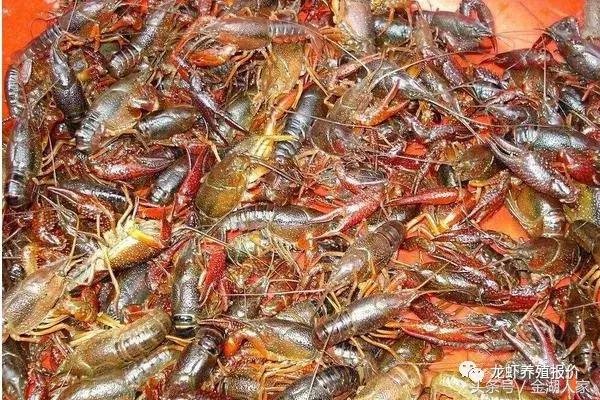
Net profit = gross profit 24,320 yuan - seed purchase cost (120 jin × 48 yuan) 5,760 yuan = 18,560 yuan/mu. Farming crayfish on 20 mu can earn 18,560 yuan/mu × 20 mu = 371,200 yuan per year.
How much is invested per mu of crayfish?
1. Stock about 120 jin of breeding shrimp per mu, using a continuous rotational breeding and rearing method, and the annual yield per mu can reach about 3,000 jin. Stock the shrimp seed once, and there is no need to purchase and stock seed again for 3-5 years. Moreover, the offspring generations do not degrade or mutate, and the yield per mu remains unchanged over the long term.
2. Now, taking a stocking rate of 120 jin of breeding shrimp per mu as the base for a rough estimate, the number of female shrimp producing offspring per mu per year is:
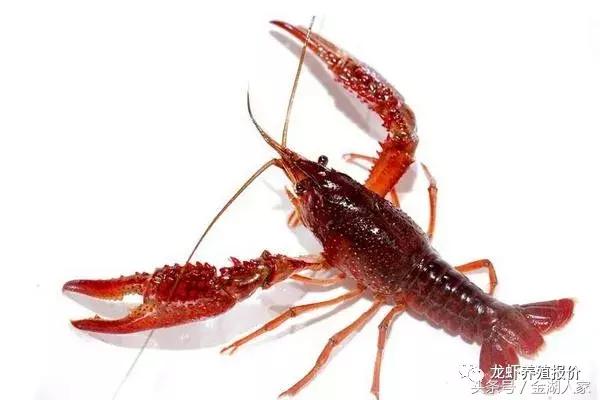
Stocking quantity 120 jin/mu × 20 shrimp/jin = 2,400 shrimp/mu, 1,140 shrimp/mu × 200 shrimp/time × 2 times/year = 456,000 shrimp/mu/year.
3. The survival rate of breeding shrimp from egg laying to growing into juvenile shrimp is 8% to 30%. Calculated at the minimum 8%, the total annual output of adult shrimp is: 456,000 shrimp/year × 8% = 36,480 shrimp/mu·year. They can be marketed 2-3 months after egg laying, and each adult shrimp grows to a body weight of 50 g (about 10 shrimp/jin). The total annual output per mu is: 36,480 shrimp/mu·year ÷ 12 shrimp/jin = 3,040 jin/mu/year. Then the annual gross profit per mu is: 3,040 jin × 8 yuan/jin = 24,320 yuan/mu, and the net profit = gross profit 24,320 yuan - seed purchase cost (120 jin × 48 yuan) 5,760 yuan = 18,560 yuan/mu.
What problems should be noted when farming crayfish?
1. Fry: Do not be misled by some sellers who say things like domesticated crayfish are more expensive. There is no such thing as a "hybrid variety" of crayfish. At present, natural fry are abundant and cheap, while artificial fry are still at the laboratory stage.
2. Breeding: Some people think that as long as breeding crayfish are stocked in the first year, they will continuously reproduce on their own and yield good returns year after year. In fact, crayfish farming has the highest yield in the first year after stocking, and then declines year by year. Since the crayfish life cycle is 16 to 18 months, combined with inbreeding, functional degradation, and reduced disease resistance, the yield will drop sharply or even result in total loss after 3 years.
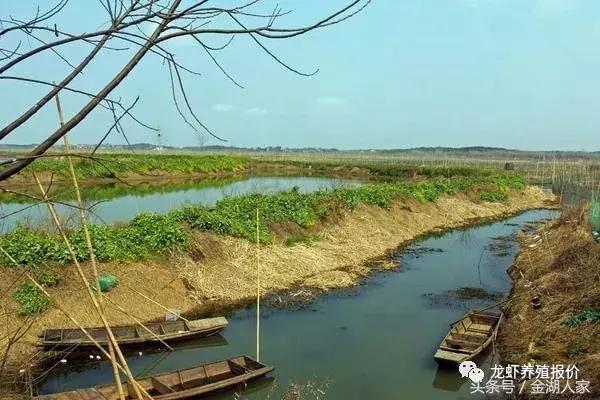
3. Water quality: Fresh, clean water quality is the key to high-yield crayfish farming. The coverage of aquatic plants in the pond should be 30% to 60%, the water transparency should be about 30 cm, and the dissolved oxygen level should be >5 mg/L. Water should be changed regularly, with 1/3 changed each time, and in high-temperature seasons the water level should be kept above 80 cm.
4. Feed: Crayfish are omnivorous organisms that lean toward animal-based bait. Whether they grow well depends on their protein intake. Fresh small trash fish and river snails can be used as the main feed, supplemented with plant-based bait, and compound feed with a protein content of no less than 32% can also be fed.
5. Diseases: Some people believe that "crayfish do not get sick," but this is not the case. After high-density farming, various environmental factors can easily cause crayfish to become diseased. The solution is mainly prevention, with regular use of medication.
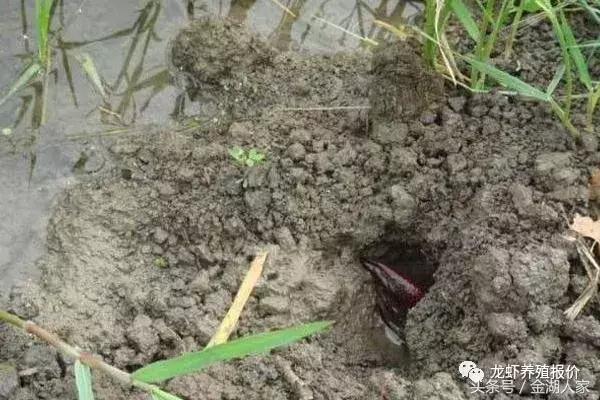
6. Polyculture: Many people believe that crayfish can be polycultured with fish in order to make reasonable use of space and improve farming efficiency. In fact, crayfish absolutely must not be polycultured with carnivorous or omnivorous aquatic products. This is because crayfish are most easily preyed upon when molting, and when crayfish are spawning, silver carp and bighead carp are both their natural enemies, so polyculture is not advocated.
7. Yield: The yield of crayfish per mu is closely related to stocking density, farming environment, feeding amount, disease control, and so on. Crayfish grow quickly, and generally can be sold after about 60 days of farming. May to June is the peak sales season. After the end of June, they begin mating, laying eggs, and burrowing, and the catch decreases sharply. Therefore, rumors of crayfish farming yields exceeding 1,000 jin and profits reaching tens of thousands are really not credible. Generally speaking, the crayfish farming yield per mu is about 450 jin, with an output value of 2,500 yuan.
Above we have analyzed the profits of crayfish farming. From this it can be seen that farming crayfish has relatively high economic value. In addition, with people's fondness for it and strong daily demand, the economic profits brought by the peak season are very considerable. However, we also remind all farmers to remember to purchase through proper channels and adopt reasonable and healthy farming methods, so as to bring higher profits.