How to grow Cymbidium kanran? Detailed growing methods and tips
Cymbidium kanran has delicate and varied flower colors, with a clear, mellow fragrance that lingers. It can bloom through frost and cold, and is one of the cold-tolerant orchid varieties. So, to grow Cymbidium kanran well, besides understanding the most basic care methods, you also need to master the essence of its care. This article introduces the methods for growing Cymbidium kanran well!
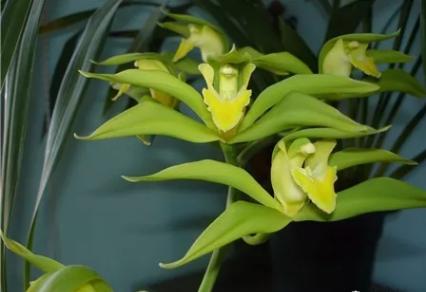
Essential conditions for growing Cymbidium kanran
Cymbidium kanran is suited to planting with little light, shallow roots, and a thin layer of humus soil covering the roots, with good water permeability. Therefore, when planting, choose a tall-footed pot, line the bottom third of the pot with coarse-grained bricks and foam plastic blocks, fill the middle third with red soil mixed with brick fragments and sand grains, and fill the upper part with rice-grain-sized sand grains mixed with a small amount of humus soil. The planting medium should be loose, breathable, and well-draining.
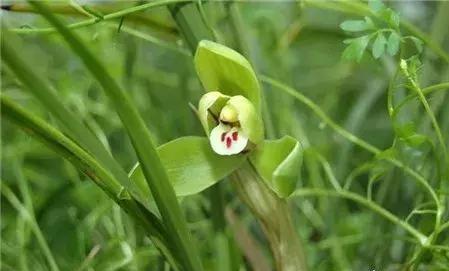
Differential care method
Because Cymbidium kanran differs from other orchids in its growing environment, its cultivation methods should be slightly different.
Shading and moisture retention
Shading degree and temperature, especially in high-temperature seasons with strong light, require even more attention to shading and moisture retention. The native habitat of Cymbidium kanran has dense forests, with tall trees blocking the sun and providing shade. So when we plant Cymbidium kanran, we should also artificially create suitable light conditions for it. Too much light easily sunburns the leaves and causes sunscald. Excessive shading or keeping it indoors for a long time will also affect the orchid's photosynthesis, causing poor growth and making it difficult to bloom. In addition, on sunny days, spray water on the leaf surfaces in the morning or evening, with about 80% shading. This way the leaves have luster and there is less disease. In short, while ensuring the orchid leaves are not sunburned, let them receive more sunlight appropriately.
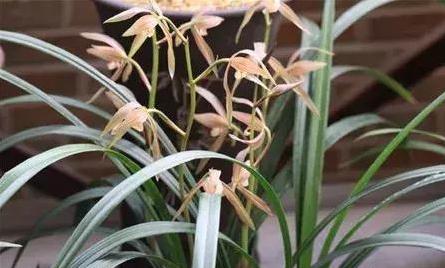
Wind protection and cold protection. In autumn and winter, avoid strong winds, and on frosty days cover them to keep warm.
Scientific fertilization. Cymbidium kanran generally needs little fertilizer, or even no fertilizer. Most Cymbidium kanran have relatively small pseudobulbs, so the nutrients stored are limited. In addition, they bloom easily, and with tall scapes, many flowers, and large blooms, they consume more nutrients. Therefore, when cultivating established, strong Cymbidium kanran seedlings, it is best to add a small amount of base fertilizer when repotting. But do not rush to fertilize or spray pesticides on young plants, otherwise they will inevitably suffer fertilizer damage and pesticide damage. In addition, potassium dihydrogen phosphate, Lanjunwang, and similar products can be used alternately as foliar fertilizer, once every seven to ten days. During the new shoot growth period, an appropriate amount of urea can be added, and during the new seedling maturation period, spray high-potassium fertilizer two to three times to promote pseudobulb enlargement. To make various nutrients more balanced, from April to June and from September to October, apply one additional dilute organic fertilizer each month, but remember to keep it light rather than concentrated to prevent fertilizer damage.
After the explanation above, your Cymbidium kanran will surely be grown successfully. Go take care of it now~