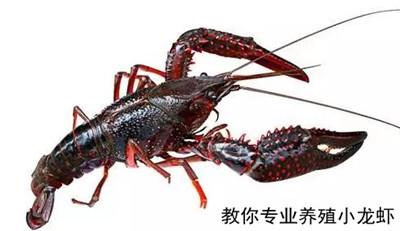
Crayfish Professional Farming Course, Part 5
Good morning, dear readers and friends. Following the content we planned yesterday, today we will write about water quality control in crayfish ponds. Throughout the entire farming process, crayfish must always be kept in fresh pond water, with transparency at 40-50 cm, pH kept at 7.5-8.5, and dissolved oxygen in the pond water above 4 mg per liter. The pond water in the crayfish pond should be changed about once every two weeks, with no more than 1/3 of the water changed each time. Throughout the four seasons, follow the principle of shallow in spring, full in summer, frequent in autumn, and deep in winter. Generally speaking, from March to May the pond water should be kept at 0.5-0.6 m, from June to August the pond water should be kept at 1.2-1.5 m, and from September to October the pond water should be kept at around 1 m. The most comfortable water temperature for crayfish is around 26 degrees; when the water temperature exceeds 35 degrees, they will stop growing, so during hot seasons it is important to deepen the water level.
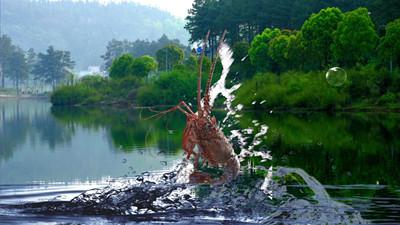
1. Water color standards. The water color standards that experienced aquaculture farmers like to talk about are: fertile, lively, tender, and crisp. Fertile means there is plenty of plankton available for crayfish to eat. Lively means the algae population in the pond is constantly being consumed and growing, in a good biological cycle, with plankton and aquatic animals and plants in balance. Tender means algae and aquatic plants grow vigorously, and the water color appears bright and not dull in sunlight. Crisp means there are fewer suspended solids and organic matter in the water, the water quality is clear and not sticky, and there is no oil film on the water surface.
2. Water quality standards. The ideal water quality indicators for crayfish farming are as follows: transparency: 30-50 cm before the New Year, 45-70 cm during and after the middle of the year; pH: 7.0-8.5; dissolved oxygen: 4 mg per liter; ammonia nitrogen: below 0.4 mg per liter; hydrogen sulfide: below 0.03 mg per liter; nitrite: below 0.1 mg per liter.
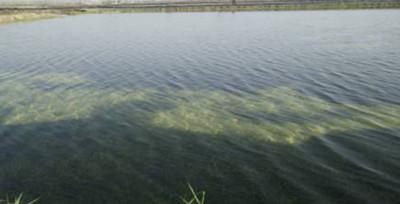
With the above indicator parameters, when patrolling the pond we need to keep good data records, observe more and record more. Do not panic when abnormal data appears. Different weather conditions, different measurement times, and different water sampling points will all cause some differences in indicators. If abnormalities are found continuously, then it is time to deal with them. For example, if there is a problem with transparency, then fertilize the water and improve the bottom, use live bacteria products for cultivating algae to maintain water quality, and combine them with other products to purify the bottom sediment. These products are available in agricultural supply stores. If the pH is too high, it can easily cause symptoms such as difficulty in molting and slow growth in crayfish. If the pH is too low, it can cause adverse phenomena such as breathing difficulty and yellow gills in crayfish. To adjust pH, splash quicklime water into the pond once every half month. For example, at a water depth of 1 m, splash 10 kg per mu, so that the pH in the pond remains at 7.5-8.5. Quicklime can increase the concentration of calcium ions in the water body and at the same time promote the molting and growth of crayfish. When dissolved oxygen in the pond water is above 4 mg, crayfish feed vigorously and grow quickly. When dissolved oxygen is too low, below 2 mg, crayfish will eat less and become restless, climbing onto grass and going ashore. If the situation continues and becomes serious, they will stop feeding and float at the surface and go ashore. How to solve the dissolved oxygen problem well? First, the density of stocked crayfish must be reasonable; do not blindly pursue quantity and lose more than you gain. Second, choose good crayfish bait; do not feed excessively and cause pollution. Try to feed at fixed times and in fixed amounts. Third, use aerators reasonably to improve dissolved oxygen conditions in the bottom layer. Patrol the pond on time and frequently drain and replace fresh water. For the detection and treatment of indicators such as ammonia nitrogen, hydrogen sulfide, and nitrite, you can buy test kits on a certain online marketplace; they are very cheap. Then just use the right products to treat the symptoms.
Actually, this water quality management is not simple management, but a matter of causes and consequences. As for the causes, I have said before why new ponds have fewer water quality problems and are less prone to disease. Because the pond bottom is new, there are no pathogens or waste. You farmed for two years with no problems, and the money was easy to make, so later you became careless. After two years of farming, how much sediment has accumulated at the pond bottom, including dead crayfish, leftover bait, moss, pathogens, and so on. In the third year, the pond is very likely to have problems. So my personal suggestion is that intensive culture ponds must be dried and desilted every year, and try to remove this cause. Once the pond bottom problem is solved, then in ordinary times do a good job of fertilizing the water, changing the water, patrolling the pond on time, feeding on time and in the right amount, observing more and recording more. In this way there will be fewer problems, more experience, and naturally more money in the bank. Absolutely do not do this: when the sun is too strong, do not patrol the pond; when the weather is bad, do not patrol the pond; feed a pile once a day, and then immediately go out to play mahjong. If you do this, you will harm the crayfish. Will your crayfish yield be high? Will your income be high? I think it definitely will not be.
Tomorrow we will update on crayfish feeding and disease prevention and treatment.