What to Do About Nitrite Poisoning in Aquaculture? A Detailed Guide to Prevention and Treatment
In aquaculture, especially in high-density farming, nitrite levels often exceed the standard, causing poisoning and sudden deaths, bringing heavy losses to farmers. Just like going to the doctor, we must first correctly judge the symptoms of the fish and shrimp to confirm it is nitrite poisoning. The general symptoms are: slow swimming, loss of appetite, sluggish responses, rapid breathing, gasping at the surface, darkened body color, dark red gill filaments, and dead shrimp on the pond bottom. When farmers discover this, they often panic and rush to take action, causing a lot of unnecessary losses. Below we give a few specific examples.
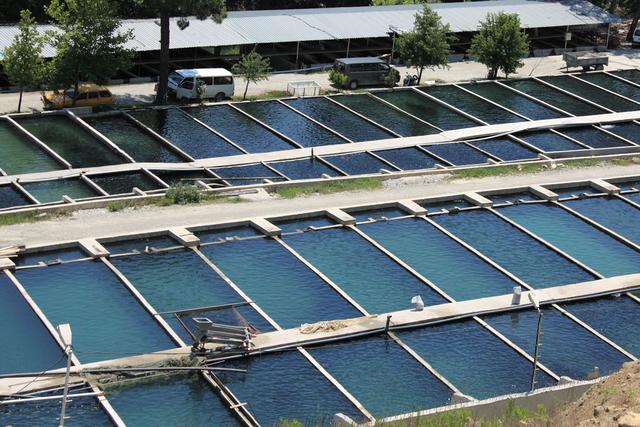
Okdan Aquaculture Water Quality Tester, Manager Jiang
1. Wanting to rapidly degrade the nitrite concentration.
When many people detect high nitrite levels (especially when dead shrimp appear), their first thought is to stop at nothing and find every way to rapidly degrade the nitrite concentration. But in fact, the stress caused by a sudden change in nitrite concentration is more harmful and damaging to fish and shrimp than a brief period of high concentration.
2. Blindly increasing the dosage of oxygen enhancers.
Many people assume that oxygen deficiency is the cause of rising nitrite, not knowing that this is not the only factor. In fact, nitrite poisoning is not due to low dissolved oxygen content in the water, but rather due to a decline in the oxygen-carrying capacity of the blood of fish and shrimp, which reduces the dissolved oxygen in their blood and thus produces hypoxia symptoms. Therefore, simply using oxygen enhancers alone cannot solve the problem of oxygen deficiency in the blood of fish and shrimp. Because excessive use of chemical oxygen enhancers (such as calcium peroxide, sodium perborate, etc.), due to their violent oxygen-releasing effect, will instead aggravate the stress response of fish and shrimp, thereby accelerating their death.
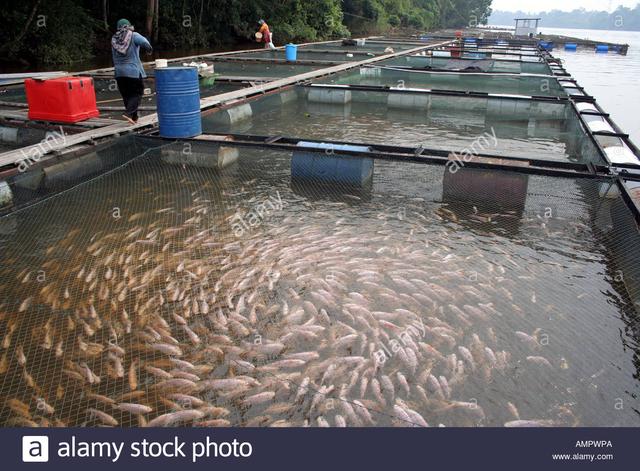
Aquaculture Water Quality Tester, Okdan Manager Jiang
3. Incorrect use of flocculant and adsorbent-type products.
Quite a number of nitrite-degrading products on the market are adsorbent-type and ion-exchange-type products (such as polyaluminum chloride, alum, sodium thiosulfate, polyacrylamide, etc.). These products contain strong coagulating and settling ingredients, so they seem to rapidly reduce the nitrite concentration in the water, but many people have paid a heavy price for this. When adsorbents and flocculants are added to the water, they can adsorb nitrite onto the substrate, that is, concentrate and gather the nitrite from a large volume of water into the adsorbent and settle it onto the pond bottom. The result is that nitrite concentrations in the middle and surface layers of the water decrease, but the nitrite in the bottom layer rises significantly.
3. Excessive and indiscriminate use of microbial preparations.
Many farmers, when encountering excessive nitrite, apply large amounts of various microbial preparations, not knowing that many microorganisms compete with each other, and some may even have mutually inhibitory effects. Therefore, microbial preparations must be selected with caution.
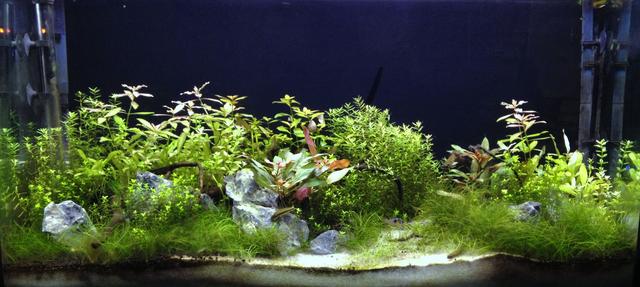
Aquaculture Water Quality Tester, Okdan Manager Jiang
Below we introduce the correct methods for preventing and treating nitrite poisoning in aquaculture:
First, use the Okdan Aquaculture Water Quality Tester to check whether the nitrite content in the pond exceeds the standard.
1. First detoxify and expel toxins to relieve toxicity, then strengthen calcium supplementation. When fish and shrimp suffer nitrite poisoning, the most direct and effective method is to try to expel or degrade the toxins in their blood. Specific steps: apply glucose 2 to 3 kg/mu in the morning, use a chlorine-reducing product in the afternoon to degrade toxins, and then mix salt and appetite-stimulating detoxifying VC into the feed.
2. Supplement energy, prevent stress, maintain normal physical strength. After nitrite poisoning, fish and shrimp generally lose their appetite or even stop feeding, yet at this time the energy consumed by their stress response is 5 to 10 times the usual amount. Thus it can be seen that after nitrite poisoning, the energy intake of fish and shrimp decreases (soft shells, empty stomachs, liver swelling, etc. appear), but the energy consumed doubles, causing fish and shrimp to die within a short time from energy exhaustion. So at this time, calcium should be supplemented promptly to harden shells, supplement energy, and prevent and resist stress.
3. Cultivate algae and fertilize the water. This is the fundamental method for solving high nitrite levels. Vigorous algae growth can not only maintain sufficient oxygen in the water, but also promote material conversion and energy flow in the water body, providing favorable conditions for nitrite conversion. At this time, fertilizing the water and cultivating algae requires combining rapid action with sustained effect, to achieve the ideal water color and effectively degrade nitrite.
4. Protect the liver, strengthen the intestines, and repair damage. After nitrite poisoning, fish and shrimp often show soft shells, empty stomachs, liver swelling, etc. If remedial measures are not taken in time, aftereffects will remain: mild cases affect feeding and inhibit growth, while severe cases stop growth and may even cause chronic death. Therefore, it is necessary to mix into the feed products that improve shrimp immunity, protect the liver, strengthen the intestines, and repair damage, ensuring the healthy growth of fish and shrimp.
Nitrite poisoning has always been a rather thorny problem in aquaculture. We hope everyone can use reliable water quality testing tools, learn more and ask aquaculture experts more questions, and combine practical experience to master reasonable solutions.
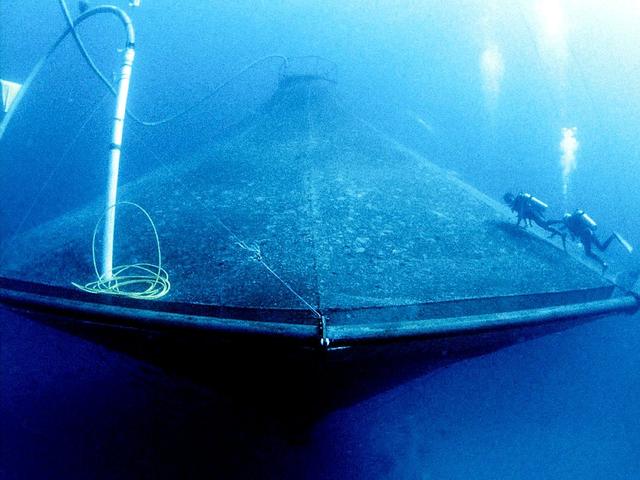
Aquaculture Water Quality Tester, Okdan Manager Jiang