How to Raise a Chinese Pond Turtle? A Complete Guide to Practical Breeding Techniques

The weather is about to cool down again recently, and it is the season when turtle white eye disease breaks out. I recommend a highly effective turtle medication: Gui Li Kang, the effect is excellent.
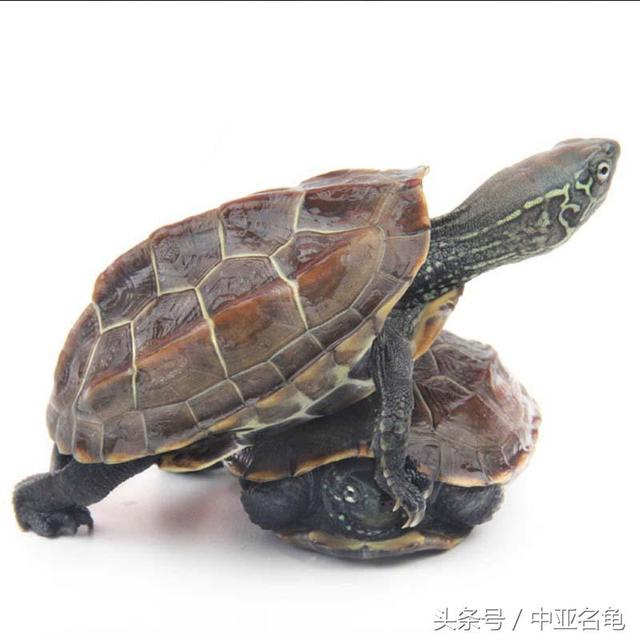
Image source: Zhongya Famous Turtle Mall
Today let's talk about how to breed Chinese pond turtles.
The Chinese pond turtle (Mauremys reevesii) is a low-end turtle species. Although the price of a single one is very low, farmers who generally breed Chinese pond turtles will carry out intensive, large-scale breeding, because market demand is very large, supply falls short of demand, and prices keep rising. I remember that in 2014 the price of Chinese pond turtle hatchlings was 2.5 yuan each. Until 2017, I recently bought 10,000 Chinese pond turtle hatchlings at an average price of 12.5 yuan each. In just three years, the price has risen by more than 5 times, and the market prospect is still very huge. But being low-end does not mean Chinese pond turtles are easy to raise; breeding them requires a certain level of skill.
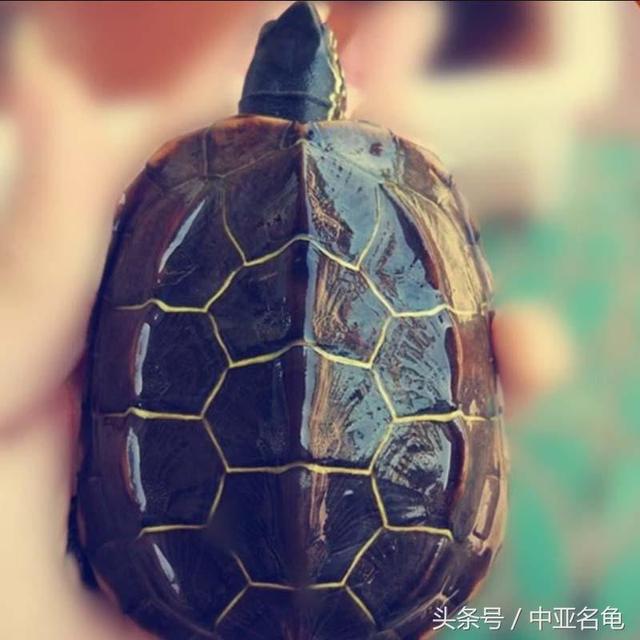
Image source: Zhongya Famous Turtle Mall
Actually... Chinese pond turtles are super hard to raise.
Why is it said that Chinese pond turtles are hard to raise? Many farmers and hobbyists, especially those transitioning from traditional breeding of the golden coin turtle to breeding Chinese pond turtles, when they first came into contact with Chinese pond turtles, followed our traditional turtle-raising methods, raising about 100 hatchlings in a 1*2 m turtle box, feeding once and changing the water once at least each time, and the more diligent ones would feed and change the water twice. But as we raised them, we would find that the Chinese pond turtle hatchlings gradually began to rot, lose claws, and suffer from extremely severe tail biting. What exactly is the reason? Even after the disease broke out, soaking them in medicine did not necessarily bring improvement, so even though the Chinese pond turtle is low-end, it has already broken the hearts of countless farmers. It is truly hard to raise. Including myself, I came into contact with Chinese pond turtles starting in 2014, raising them from hatchlings, and by 2017 I was breeding all sizes. I walked countless detours. Starting in 2014, I would challenge my own skills every year, buying hatchlings to raise. From total wipeouts at the beginning to now 0 losses (except for a few carried off by those damned rats), so now let us get to the main topic: how should turtles be raised?
The Chinese pond turtle is a relatively aggressive turtle species. In clear water it very easily bites tails and bites feet. Under large-scale breeding, because the wounds become infected, it causes contagion and leads to mass losses.
For this species, the Chinese pond turtle, changing the water easily causes stress reactions, such as sudden death, skin rot, and even whole-body rotting.
Actually, raising one or two turtles is easy no matter how you do it, but raising many brings big trouble.
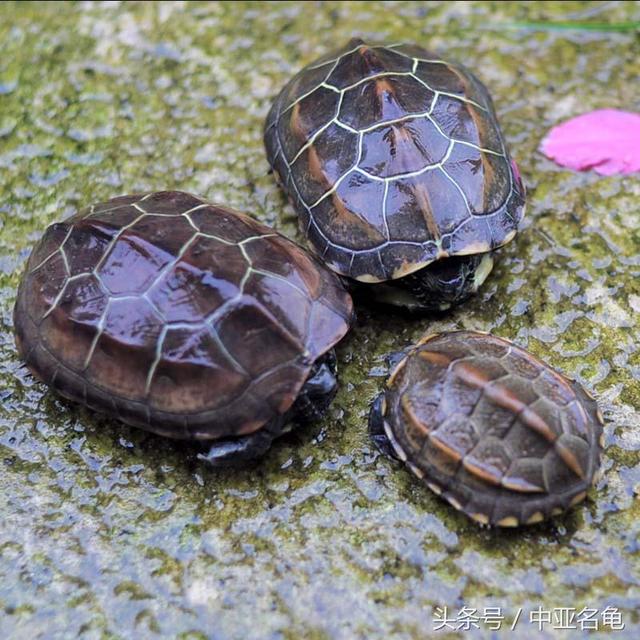
Image source: Zhongya Famous Turtle Mall
So Chinese pond turtles must be raised rough, and the water needs to be dirty and rich enough to be good.
As the saying goes, to raise turtles first raise the water. Every time before getting Chinese pond turtles, the first thing I do is cultivate the water, which is simply finding some vegetable leaves and weeds, the more the better, and throwing them into the pond. Let them rot and stink, and then after the smell gradually disappears, the turtles can be put in. No matter how dirty the water seems, I will not change it. My experience is to add water for 10 minutes once a week, and throw in some more weeds when I have time. When the water is rich, the turtles will not get skin rot. When the water is turbid, the turtles cannot see each other in the water. Throw in more weeds when you have time to give the turtles concealment, thereby also reducing the chance of tail biting. Not changing the water prevents stress reactions. There is no need to worry that water quality will have a bad effect on the turtles, because since ancient times everyone's view of Chinese pond turtles is that they are stinky turtles, specially used to unclog drains. After each addition of water, you can add an appropriate amount of Gui Li Kang sterilizing powder to regulate water quality and reduce ammonia nitrogen.
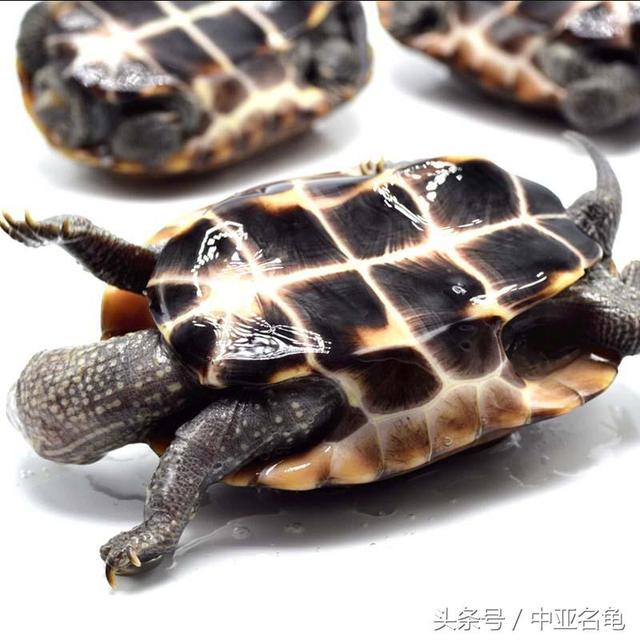
Image source: Zhongya Famous Turtle Mall
How should density be controlled? Actually, as long as you adjust the water according to the above method, it does not matter how dense the density is. The breeding of Chinese pond turtle hatchlings cannot be calculated by flat area; it must be calculated by volume. I have visited some large farms that breed Chinese pond turtles. A 12 sq m pond with a water depth of 1.5 m raised about 40,000 hatchlings, but there must be a slope for the turtles to rest and breathe. As for me, I raise 2,000 hatchlings in a 7 sq m pond, and a 1*2 m turtle box raises 350 hatchlings with no problem at all.
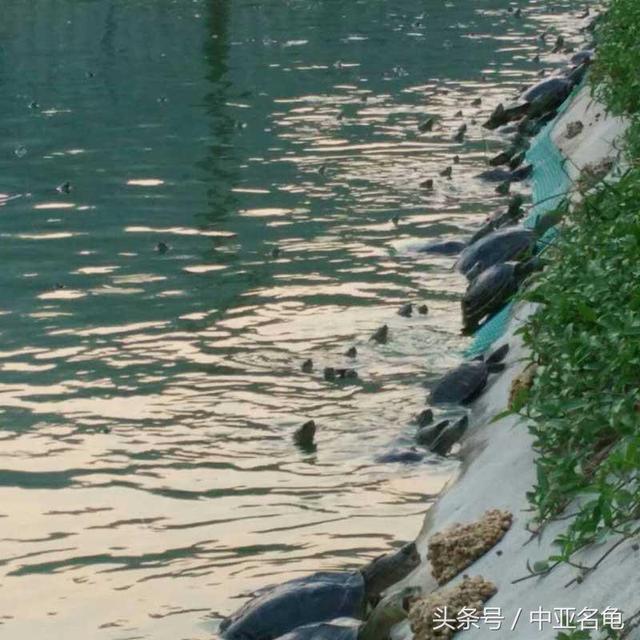
Image source: Zhongya Famous Turtle Mall
If you choose to use a greenhouse to breed Chinese pond turtle hatchlings, then there are several issues you must pay attention to. Greenhouse breeding also basically does not change water and chooses to add water instead, but the greenhouse is sealed, so the smell is hard to disperse. The problem we must solve is excessive ammonia nitrogen. You can regularly add nitrifying bacteria, and also pump in oxygen, and once a week you can add some Shuang Shui Ling or Gui Li Kang sterilizing powder, and these problems can all be solved.
Image source: Zhongya Famous Turtle Mall
Actually: Chinese pond turtles are also very easy to raise...
Author of this article: Liao Xiaolun