How to Grow Cockscomb (Celosia): Detailed Guide to Growing Methods and Precautions
Cockscomb is a very common herbaceous plant. Many people who are especially fond of cockscomb choose to place it indoors at home or in their courtyards. Below, let's take a look at how to grow cockscomb:
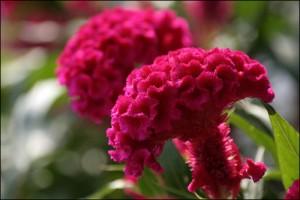
Basic Information About Cockscomb:
Cockscomb, scientific name Celosia cristata L., also known as cockscomb flower, laolaihong, and reed cockscomb, is a herbaceous plant native to Africa, tropical America, and India. It likes full sunlight, heat and humidity, is not tolerant of frost or poor barren soil, and prefers loose, fertile, well-drained soil.
Cockscomb blooms in summer and autumn. The flowers are mostly red and shaped like a rooster's comb, hence the name cockscomb. Cockscomb comes in red and white varieties. Although they belong to the same genus, they serve different medicinal purposes due to different properties, with red cockscomb being the main type traded on the market. Large flowers, bright color, and short stems indicate good quality.
How to Grow Cockscomb:
1. Soil:Cockscomb has certain soil requirements for planting. It is suitable for growing in well-drained, loose, fertile sandy loam. If drainage is poor, it is prone to root rot.
2. Watering:Although cockscomb prefers dry air and dislikes waterlogging, it has thick branches and dense leaves and consumes a large amount of water during the growing period, so it must be watered adequately in hot summer. At the same time, excess water should be prevented. During continuous rainy days, potted flowers should be moved indoors, and ground-planted flowers should have proper drainage. Watering should be moderate, otherwise root rot easily occurs.
3. Sunlight:It likes warmth and dislikes cold. During the growing period, it needs sufficient light, with at least 4 hours of sunlight per day. If grown in shade, the flower spikes will be small and the ornamental value will decrease. The most suitable growing temperature is 18-28°C. Growth is slow at low temperatures, and the plants die after winter sets in.
4. Pests and Diseases:Cockscomb has relatively few pests and diseases. Damping-off easily occurs at the seedling stage, and aphids are harmful during the growing period, so attention should be paid to prevention and control. If root rot is found, the diseased plants should be pulled out and copper sulfate sprayed for control.
5. Pruning:For dwarf varieties, pinching should be done after planting out to promote branching. When used as cut flowers, pinching can be done when the plant height is 20-30 cm.
6. Fertilizing:Apply sufficient base fertilizer when sowing, and apply compound fertilizer 1-2 times before and during the flowering period. The amount of nitrogen fertilizer should not be too much to prevent excessive growth and lodging.
Cockscomb is a common plant in homes, courtyards, and other places. Its bright red color is very festive, and it also has relatively high medicinal value. If you like cockscomb, you might as well put in a little more effort to grow cockscomb with high ornamental value to decorate your home.
---------------------------------------
Flower Growing Knowledge
WeChat: yanghua29
Flower growing knowledge, questions and answers, solving flower growing problems!