Goat farming has its finer points - are you raising them the right way?
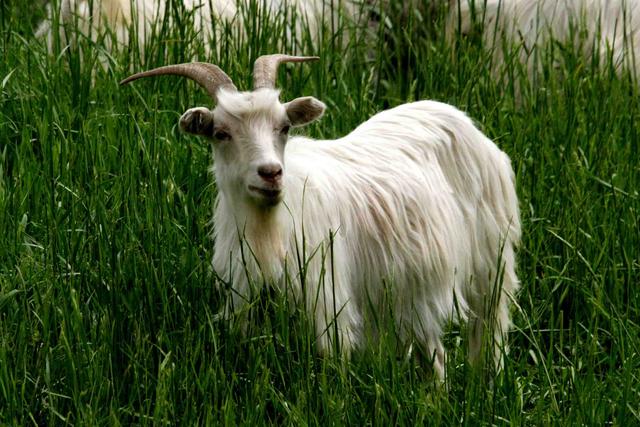
Mutton is one of our main meats; it is fairly tender, delicious and rich in nutrients, which also makes it an excellent tonic food for winter. According to the Compendium of Materia Medica, mutton has the effects of benefiting vital essence, treating consumptive disease, replenishing lung and kidney qi, nourishing the heart and lungs, clearing heat toxins and moistening the skin. In the Dietetic Materia Medica written by Xu Shen of the Tang dynasty, it is further recorded that "whatever is cooked together with mutton in flavor can all tonify." Mutton is rich in protein, fat, vitamins and various nutrients such as calcium, iron and phosphorus; it is in fact an ingredient of very high nutritional value, and is especially beneficial for people suffering from pulmonary tuberculosis, cough, bronchitis, asthma and anemia.
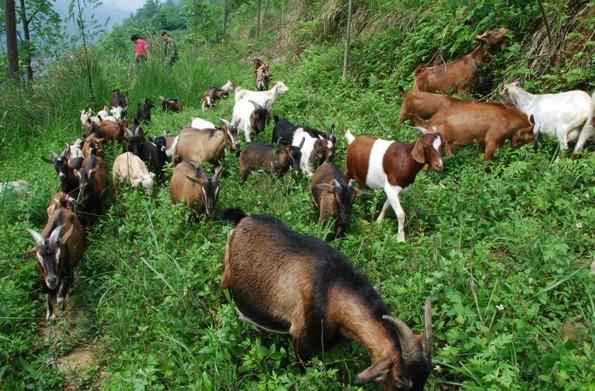
There are mainly two ways of raising sheep, namely: free-range, pen-feedingtwo methods. Pen-feeding allows sheep to develop evenly, makes rational use of feed, gives a relatively high feed conversion rate, and makes it easy to form a farming scale and raise the marketable rate. Free-range raising can save on costs for forage, equipment and so on, and the feeding cost is low, but it is affected by climate and season; grazing in winter in particular costs more than it gains.
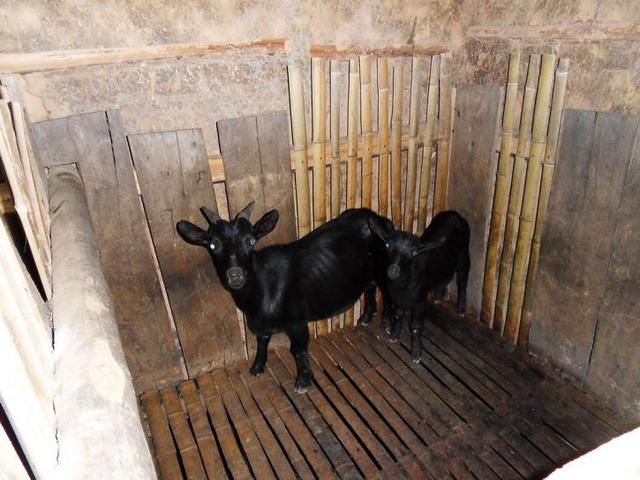
1. Pen-feeding.
The sheep shed is equipped with hay racks, feed troughs and drinking vessels to ensure sufficient roughage and drinking water. At the same time, supplementary feeding should be carried out to improve the quality of the mutton sheep. The excrement in the sheep pen should be cleaned up promptly to keep the shed dry and hygienic.
Average daily supplementary feeding quota for goats
(unit: grams)
| Category | Roughage | Mixed feed |
| Breeding ram | 500-900 | 200-300 |
| Adult ewe | 1000-1200 | 100-150 |
| Growing sheep | 800-1000 | 100-150 |
| Suckling lamb | 200-400 | 70-150 |
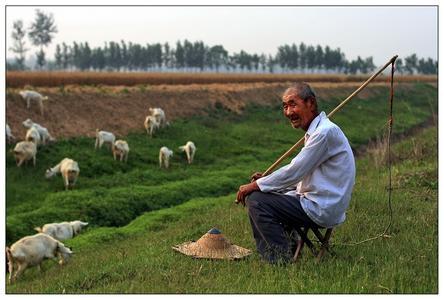
2. Free-range raising.
(1) Train the lead sheep. Sheep are strongly gregarious, so the lead sheep must be trained to make the flock act according to the herder's intention, which makes management easier.
(2) Drinking water. Provide salt and water in good time; let the sheep drink clean running water, and at the same time supplement salt in good time in forms such as salt blocks.
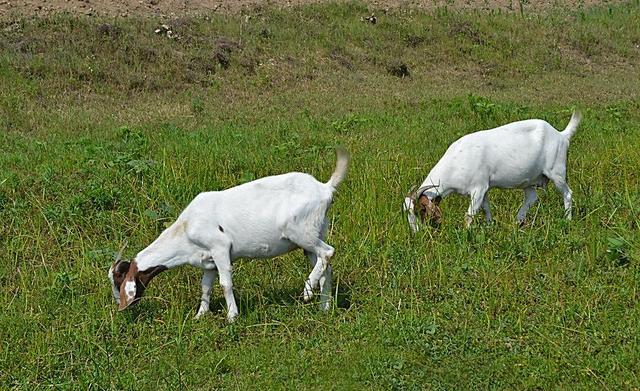
(3) Grazing and walking should be slow, with even intake and enough to eat, to prevent excessive movement and reduce energy consumption in the body.
Finally, disease prevention and epidemic control must be done well, and the shed should be cleaned and disinfected routinely. As the saying goes, one may have ten thousand strings of cash at home, but animals with hair do not count - this refers to the risk of epidemics in the breeding industry. (Farming carries risks, invest with caution)