Analysis of the Current Status of Carp Farming and Countermeasure Suggestions
1 Morphology and Characteristics of Carp
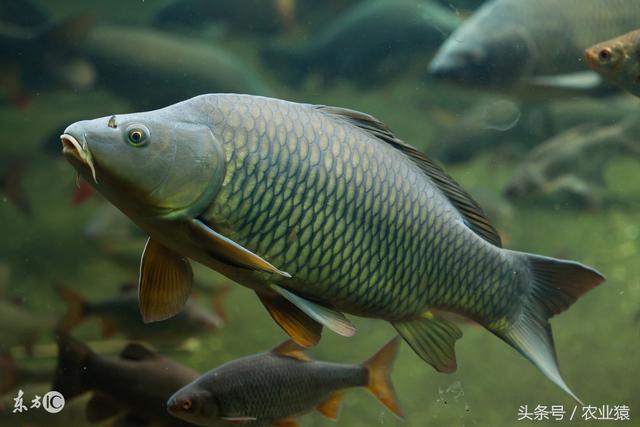
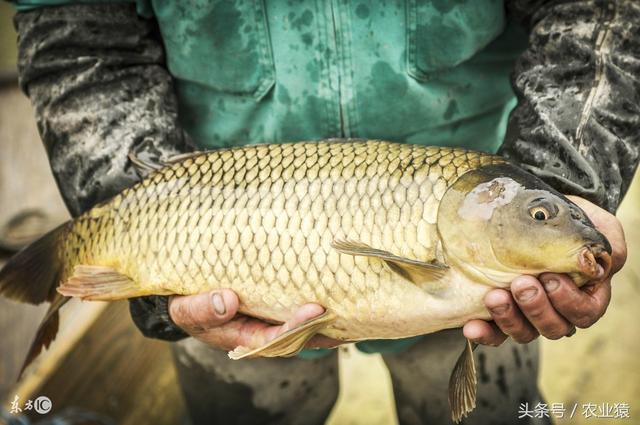
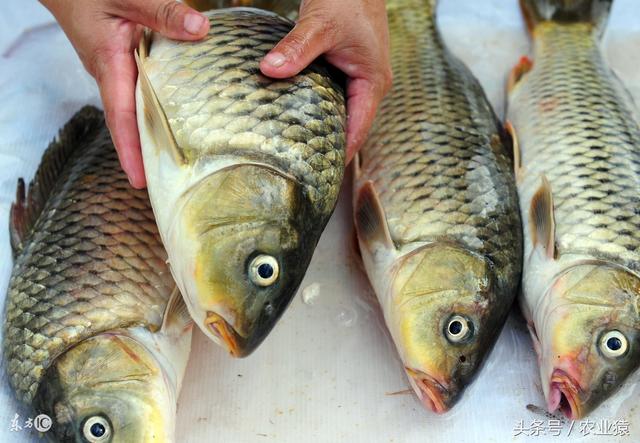
Carp belongs to the family Cyprinidae. The carp body is laterally compressed and thick, forming a spindle shape, with a body length of up to 120 cm. Body color varies among different varieties, with common colors including golden yellow, light red, and orange-red. Wild carp are golden yellow, while farmed carp have a yellow-green back and a pale yellow belly. To date, a total of 39 excellent aquaculture varieties suitable for promotion have been approved and announced by the National Aquatic Original and Improved Species Approval Committee, among which 15 are carp varieties, including Hebao red carp, Xingguo red carp, Jian carp, Hebao red carp cold-resistant strain, German mirror carp selected strain, Feng carp, Heyuan carp, three-way hybrid carp, Ying carp, Yue carp, Furong carp, German mirror carp, scattered-scale mirror carp, Songpu carp, and Wan'an glass red carp [1]. Carp mainly inhabit the bottom layer of rivers, lakes, reservoirs, and ponds where aquatic plants grow densely. Carp are omnivorous benthic fish. Carp individuals are relatively large and grow quickly, feeding mainly on algae, aquatic plants, and benthic animals. The carp intestine is thin and short, and its metabolic rate is fast. In winter, it relies on consuming body fat and is basically in a state of stopped feeding. When spring warms up, it needs to consume large amounts of high-protein food. Before the onset of winter, in order to increase fat reserves, it will consume large amounts of high-protein bait, resulting in a "feeding frenzy" peak period. Every spring is the breeding period for carp. Carp mostly choose places with lush aquatic plants to spawn, and the eggs produced adhere to aquatic plants for development.
2 Current Status of Carp Farming
Harsh farming environment. Some carp farmers blindly pursue economic benefits and have weakened awareness of scientific farming. They do not pay attention to links such as variety selection, stocking density, and medication, resulting in decreased quality of carp products and serious deterioration of water quality. Usually, the farming density of carp should be controlled at 1000-1500 fry per 667 sq m of water surface, but in actual farming practice, farmers increase the stocking density above this standard for economic benefits, sometimes even doubling it. This causes excessive fry density in the pond and a large amount of feed input, because as farmers continuously increase the stocking amount, they also continuously increase feed input. Excess feed that is not fully absorbed and digested is directly discharged into the water body, and residual feed and feces sink to the bottom, causing oxygen deficiency in the bottom environment. Carp mainly move in the bottom layer of the pond, and an oxygen-deficient environment will have adverse effects on carp growth.
Difficulty in treating fish diseases. Various fish diseases occur frequently in carp farming, such as branchial necrosis, scale protrusion disease, and enteritis. These diseases are actually easy to prevent, but they often spread due to various subjective or objective reasons, causing very serious losses [2]. Ponds with poor water quality contain large amounts of pathogenic microorganisms, and complete water exchange is not feasible, resulting in a relatively high incidence of fish diseases. The usual method used by farmers is to directly spread medicine into the fish pond. This not only fails to achieve the purpose of treating fish diseases, but instead causes water pollution, increases the probability of fish illness, and leads to the use of more and more drugs for treatment. Farming costs remain high, and in such a vicious cycle, the entire aquaculture water environment is destroyed.
Uneven quality of fry. As a relatively high-profit aquatic product in the farming process, fry are favored by many farmers, and more and more farmers are engaged in fry and seedling production. At present, the fry and seedling cultivation market is relatively chaotic, with uneven quality. This is mainly because farmers lack complete farming technology, broodstock are inbred, and selection and breeding are disorganized. Regardless of quality, all are marketed under the banner of "high-quality seedlings," causing problems such as large individual differences during farming, low seedling quality, and poor disease resistance. These problems will delay the healthy development of the fishery industry.
Improper farming management. Because farmers pursue higher economic benefits and increase the stocking amount of carp, they cannot accurately control the amount of feed during the feeding process, which has adverse effects on fish growth. When too much feed is added, the feed cannot be fully digested and utilized by the fish, which not only increases feeding costs, but also damages the living environment of the fish, leading to decreased water quality and breeding various pathogenic bacteria and parasites, posing a threat to the fish. If insufficient feed is added, it will lead to insufficient food intake by the fish and affect normal fish growth. Therefore, scientific and reasonable feeding is what farmers most need to pay attention to.
3 Measures to Improve the Economic Benefits of Carp Farming
According to actual conditions such as the local environment, climate, and market demand, select suitable excellent varieties for farming according to local conditions. While promoting excellent varieties, it is necessary to persistently carry out seedling selection and breeding, purify and rejuvenate as much as possible, and by improving the growth characteristics of varieties, enhance the adaptability and disease resistance of the varieties. At the same time, attention should also be paid to improving meat quality and flavor in order to enhance the production value of carp and achieve the goal of adapting to public consumption demand. Fishery management departments should strengthen management of all circulation links in the fry market and resolutely crack down on the sale of unqualified and inferior fry.
Fishery technology extension departments should increase technology promotion efforts and promote scientific and reasonable farming technologies and models. Guide farmers to stock fry scientifically and appropriately, carry out scientific feeding, and choose high-quality feed. High-quality feed has advantages such as rich nutrition, high utilization rate, and low pollution from excrement. It can both improve feed utilization and cause only slight water pollution. Persist in treating the bottom of fish ponds, use harmless treatment methods, reduce the generation of organic matter, and at the same time increase the use and promotion of fishery machinery, minimize the use of drugs as much as possible, so as to avoid damage to water bodies. Advocate the concept of pollution-free farming. Although the market price of pollution-free feed is relatively high, the price of aquatic products is also relatively expensive, and market demand is relatively large, which can ensure farmers' profit margin.
References
[1]Zhu Jian. Discussion on the Current Status of Carp Farming and Germplasm Resources [J]. China Fisheries, 2001 (3):79
[2]Yu Shengcheng. Research on Common Disease Symptoms and Prevention and Control Techniques in Carp Farming [J]. Heilongjiang Science and Technology Information, 2015 (25):253.
[Article] Tang Jingwei. A Brief Analysis of the Current Status of Carp Farming and Countermeasures [J]. Modern Animal Husbandry Science and Technology, 2018(01):36.
[Solemn Statement] This article originates from CNKI and is for academic exchange only. It is not intended to infringe any copyright and is not for any commercial use. If you have any questions, please contact us. Thank you to the author for providing new information to the industry.