Detailed Guide to Growing and Caring for Cymbidium ensifolium
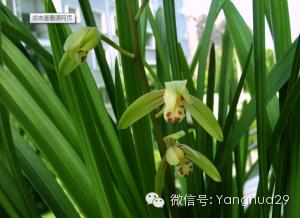
Cymbidium ensifolium, also known as Four Seasons Orchid or Autumn Orchid, belongs to a major group of Chinese orchids. Its flowers are pale yellow-green and fragrant. Unlike other types of Chinese orchids, its flowering period is long and it can bloom multiple times, hence the name Four Seasons Orchid. Today, the editor will briefly introduce the growing methods and precautions for Cymbidium ensifolium.
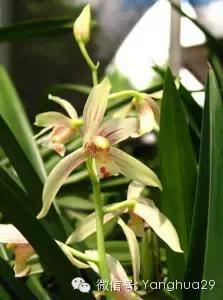
Growing Methods
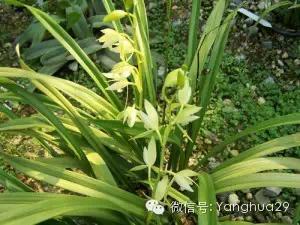
For growing Cymbidium ensifolium, if you have only 1-2 clumps of plants, they can be planted in the center of the pot. If planting multiple clumps in a pot, the old pseudobulbs of each clump should face the center of the pot, and the new shoots should face the edge of the pot, to increase the sprouting rate of new shoots and give them more room to grow. When planting, place the coarsest potting medium into the pot up to 15% of the pot's height. After placing the orchid plant, spread the roots evenly, being careful not to break or damage the orchid roots.
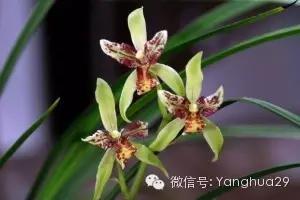
Slowly fill in fine potting medium until the pot is 95% full, then tap and shake to make the fine medium bind tightly with the orchid roots. The fine medium should reach about 90% of the pot's height, which facilitates watering. The base of the orchid plant (pseudobulb) should be half-exposed on the pot surface, giving it more opportunity to receive natural light and fresh air.
Light Control and Cooling
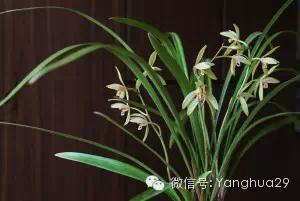
For growing Cymbidium ensifolium, it is suitable for growth at an annual average temperature of 15-23°C. In summer when the temperature is hot, use 70-80% plastic shade netting to cool it down. For high temperatures caused by excessive light, increase the layers and density of shading to promote cooling.
In summer and autumn, when there is strong light, stuffy air and high temperatures, open doors and windows to allow thorough air convection in the orchid growing area to promote cooling. Splashing clean water on the walkways and under the orchid shelves, and spraying water mist into the indoor space, can also help lower the temperature.
Fertilization Management
For growing Cymbidium ensifolium, fertilization should follow the principle of "adapting to the orchid, determining fertilizer by seedling condition, preferring dilute over concentrated, and applying thin fertilizer at the right time." That is, based on the orchid variety, seedling vigor and physiological characteristics, grasp the right timing. Dry fertilizers used include: cattle bone meal, plant ash, cake fertilizer and burnt soil mixed fertilizer, used alternately with compound fertilizer, no fewer than 4 times per year in the pot.
For liquid fertilizer, use filtered and diluted decomposed organic fertilizer, urea, monopotassium phosphate or special flower fertilizer, applied alternately as top dressing or foliar feeding, generally once every 15 days. When doing foliar spraying, spray the leaf surfaces with clean water once on the two days before and after, to wash away dust and chemical residue.
Precautions
For growing Cymbidium ensifolium, keep the soil moist but do not overwater. Never allow water to accumulate at the roots. In summer, spray water on the leaves more often. During the growing season, fertilize once every half month, and the fertilizer solution must never stain the leaves. In midsummer when temperatures are high and light is strong, set up shade facilities and strictly prevent heavy rain from washing over them. In winter, keep them indoors to prevent frost damage to the leaves.
Conclusion: Cymbidium ensifolium has the longest cultivation history and has remained popular throughout. Marshal Zhu De once praised it: "Cymbidium ensifolium grows vigorously in clumps, strong and powerful, tall and elegant, full of heroic bearing." He called on everyone to propagate and promote it well. That's all for today's introduction to the growing methods and precautions for Cymbidium ensifolium. Thank you for reading.
--------------------------------
Flower Growing Knowledge
WeChat: yanghua29
Flower growing knowledge exchange, providing the most comprehensive flower knowledge, professional flower growing tips, and comprehensive solutions to flower growing problems!