What should be noted when farming grass carp?
As one of the four major freshwater aquaculture fish in our country, grass carp has entered countless households, and ordinary families also keep simple grass carp; farming grass carp is relatively simple, with high yield and easy management. Today I am sharing experience on how to manage large-scale grass carp farming; previous articles have also discussed grass carp.
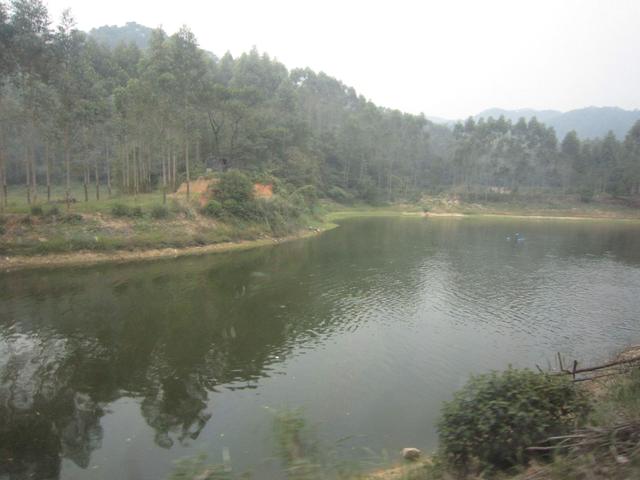
First we need site selection and preparation. Site selection is very important. The pond should be chosen in a quiet place, far from pollution sources, with abundant surrounding vegetation and some shade, but not too much shade, with clean water sources, and good protective measures to keep small debris out of the pond. For household-scale farming, 5-10 mu is completely enough. The pond bottom should be flat, with 10-20 cm of sediment, and a water depth of about 2 m is suitable. An aerator should be provided so water can be changed and oxygen added in time. A backup water pump is also necessary.
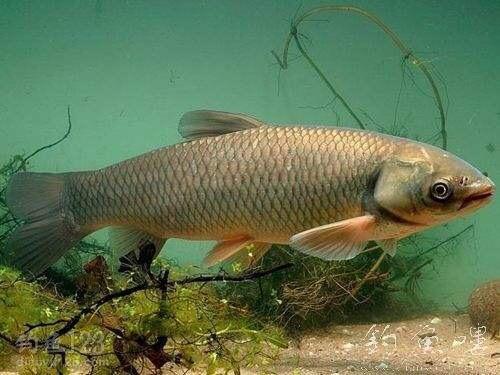
2. Cleaning and disinfection: Because grass carp is prone to diseases and pests, we must thoroughly disinfect starting from the pond bottom. Expose the pond bottom to the sun for more than a week, spread quicklime, turn the pond once, spread quicklime again, then introduce water and store it, spread quicklime once more, and let it stand for about ten days. In this way, most pathogens and insect eggs can basically be killed. Since ponds are more prone to outbreaks of epidemic diseases, we must not be careless. After letting it stand, observe whether there are still small wild fish before putting in grass carp fry.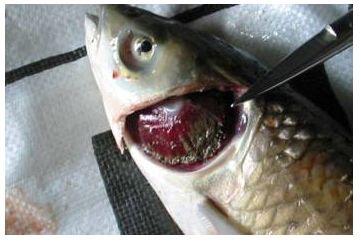
3. Water quality requirements: The pond water quality requires a pH value of 7.5-8.5. During the peak farming period (June-September), the pond water transparency should be kept at about 30 cm. Choose lively fry of about two liang. Mix and feed the feed. Grass material 50%, rice bran 22.5%, wheat bran 5%, soybean cake 15%, salt 0.5%, vitamin additive 1%. The crude protein content of the feed is 20%. According to the growth of the fry, add an appropriate amount of sweet potato powder, cornmeal, and green feed. The farming cost is actually not high. After they become adult fish, it is fine to feed green feed every day; it is very simple, but disease prevention and control must be done. Aerate at five every morning, aerate in the afternoon, aerate continuously on cloudy days, and aerate intermittently on sunny days. Diseases to watch out for include branchial necrosis disease, enteritis disease, red skin disease, and blood gills.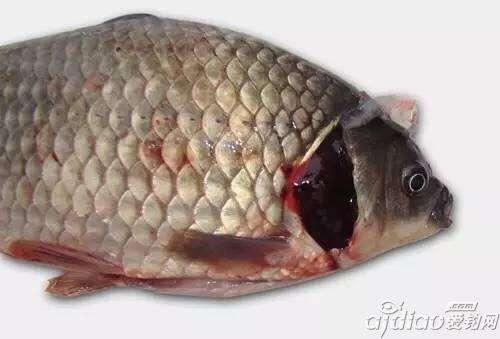 You should patrol the pond every day, focus on prevention, detect early, and treat early. If mild symptoms are found, you can splash bleaching powder and chlorine dioxide for several days in a row, depending on the situation. If there are signs of worsening, call a doctor in time. Reading is easy, typing by hand is hard, so cherish it while you can! Thank you!