How to breed earthworms? A detailed explanation of breeding methods and technical key points

Earthworms are a very common type of terrestrial annelid. More than 2,500 species of earthworms are known worldwide, and 229 species have been recorded in China alone. Earthworms can loosen the soil, improve the soil, increase fertility and boost agricultural yields. In addition, earthworms also have certain benefits for the human body, such as killing insects and detoxifying, and promoting bowel movements and urination. Nowadays, there are already quite a few professional earthworm breeders, so how should earthworms be bred? Let us now look at earthworm breeding techniques.
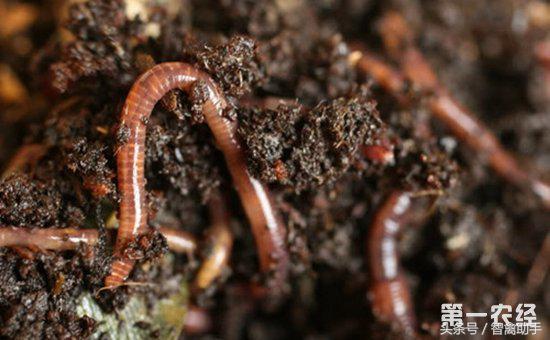
Image: Earthworms
Earthworm breeding techniques
I. Selection of the breeding site
The breeding site is the most important issue for earthworm breeding. An outdoor location is most suitable for breeding earthworms; in this environment, earthworms are hardy and reproduce quickly. Indoors is generally suitable for small-scale breeding, or for breeding newly hatched young earthworms, because newly hatched young earthworms are small in size and their range of activity is not large. If a combination of outdoor and indoor breeding is used, good results will be produced. The ideal location is best under trees; tree shade is the coolest and can effectively reduce earthworms crawling out and escaping.
II. Control of growth conditions
When the breeding bed is set up outdoors, protective measures must be taken when there is excessively strong sunlight, hot wind or rain. The shade of natural trees is best; otherwise artificial coverings must be added.
In hot summer, direct sunlight should not shine for more than 2 to 3 hours per day. This is because earthworms are sensitive to light; as soon as strong light shines on them, they stop eating and burrow into the ground. Therefore, using the shade of natural trees provides better protection than placing things such as straw curtains, rotten cloth, wheat straw or corrugated cardboard on top of the breeding bed.
The most suitable growth temperature for earthworms is 15°C to 27°C. Below 0°C and above 32°C, their activity becomes sluggish, earthworms stop eating, mating movements also become slow, and they basically do not carry out the reproductive process. When the temperature of the breeding bed is generally below 10°C or above 27°C, earthworms are difficult to hatch. The most suitable humidity in the earthworm growth environment is 60% to 70%.
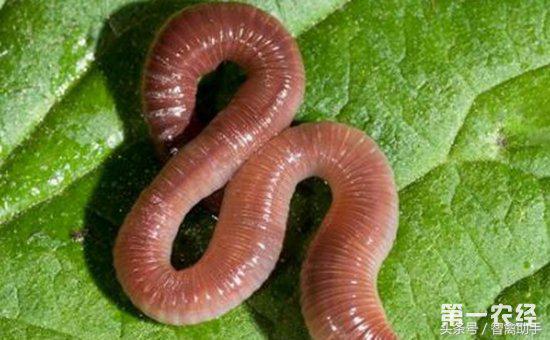
Image: Earthworms
III. Supply of feed
After being supplied with animal manure, grains, compost and other decaying organic matter, most earthworms can grow and mature quickly. The selected feed must contain vitamins, minerals, protein and other components; these are indispensable nutrients for the growth and development of earthworms. Earthworms rather like eating sweet foods.
1. Feeding frequency
When earthworms have finished the first batch of feed, the second batch of feed must be given as soon as possible. After earthworms finish the feed, the changes on the surface of the feed can be used as the basis for when and how much feed to add for the earthworms. To make observation easier, wood shavings and rice straw can be added to the feed; as the earthworms eat, they will push these additives up to the surface. From the amount of wood shavings and rice straw pushed up to the surface, the amount of feed around the earthworms can be judged.
2. Growth promoters for earthworms
In order to provide a wide variety of feed and adjust the nutritional balance, it is best to supplement growth promoters in a timely manner, such as blood meal, fish meal, powdered animal meat and bones, activated sludge, industrial waste, etc. Earthworms have no teeth; they can swallow feed together with sand into their bodies and use the sand to chew the feed, improving the effect of digestion and absorption
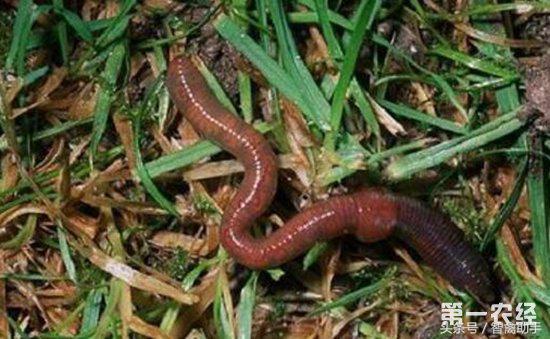
Image: Earthworms
IV. Points to note
1. Earthworms have a relatively large food intake, so they should be given relatively sufficient food; otherwise, earthworms will search everywhere for food and easily crawl out of the breeding bed.
2. The harvest time of earthworms is closely related to their growth and development stage. When earthworms reach sexual maturity and the clitellum appears, their weight gain slows down and feed utilization decreases; and when the breeding density of earthworms is too high, the earthworms will become thin and weak. If the sole purpose is to obtain earthworm bodies, this is the harvest period.
3. Every time a student experiment is finished, the earthworms must be promptly returned to the breeding site.
4. Bacteria help earthworms digest, but when the water content in the feed is too high, bacteria reproduce too quickly and easily produce acidic substances, which is not conducive to earthworm growth. Therefore, the water content in the feed should not be too high.
5. In summer, if fresh grass is used in the bedding material, it easily generates heat, which is unfavorable to earthworm growth. Therefore, when using fresh grass, one should wait three days before introducing the seed earthworms.
6. When the air is too humid or strong winds blow, earthworms can sense the precursor of rain and will run out. If you are afraid of earthworms crawling out, lighting with an electric lamp can prevent it.
The above is the relevant explanation of earthworm breeding techniques. We hope it is of some help to everyone.