What are the key techniques for pheasant farming?
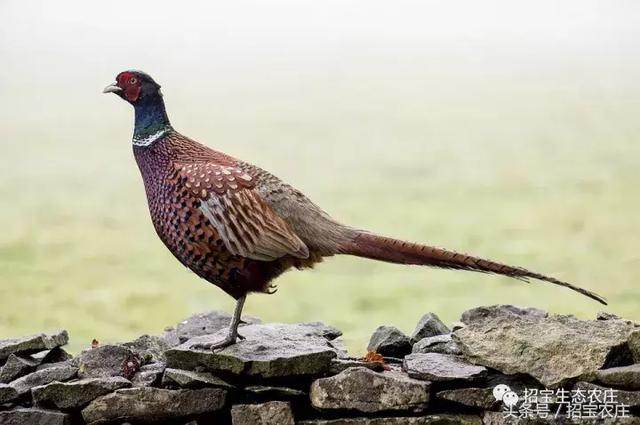
The pheasant is a wild game bird that not only grows quickly and has strong disease resistance, but also has tender meat, rich nutrition, a delicate fragrance and a unique flavor. The crude protein of pheasant meat is 3 to 5 times higher than that of broiler chickens, with a complete range of essential amino acids, and its fat and cholesterol are much lower than those of domestic chickens. The iron content of its meat is 10 to 15 times higher than that of poultry, while its meat production performance is comparable to that of broiler chickens. The pheasant not only has an excellent flavor, but also has considerable medical and health benefits, and has anti-cancer effects.
How to raise breeding pheasants well is a concern for many farmers. Fujian Zhaobao Farm now shares the relevant breeding experience as follows:
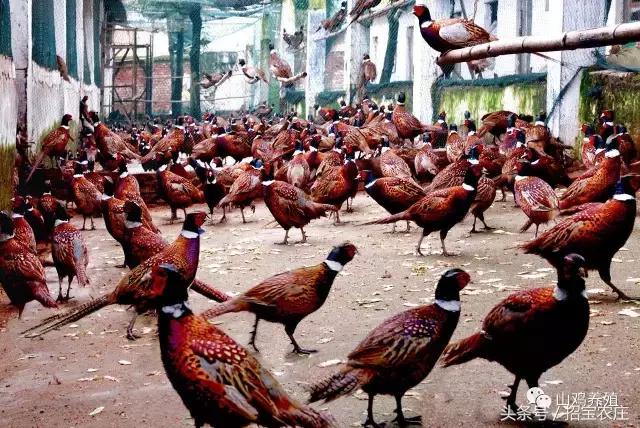
Fujian Zhaobao Farm pheasant breeding base
Ventilation and fresh air in the coop are core points
In the hot summer, try to create a good environment for the pheasants. If conditions permit, the coop can be moved to a place with dense trees. If it cannot be moved, a sunshade must be built to prevent direct sunlight from falling on the pheasants. In summer, outdoor breeding or a combination of indoor and outdoor methods is generally used, with both an exercise area and a place to shelter from wind and rain. Air circulation and freshness must be maintained day and night.
Drinking water and hygiene for the chickens are key points
In summer, temperatures are high and water is easily contaminated, so the water must be changed twice a day. When changing the water, scrub the water trough with a 0.1% potassium permanganate solution. There must always be sufficient clean drinking water, and the trough must never be without water at any time. If the temperature exceeds 35°C, 3% white sugar can be added to the drinking water, which helps lower body temperature and prevent heatstroke.
Coop hygiene and disinfection and epidemic prevention are key priorities
Keeping the coop clean and hygienic is the fundamental measure for reducing disease. In addition to cleaning the pen on time, spray disinfection can be carried out twice a week with Baidusha or Miejunling (1:1000). When spraying, the feed troughs and water troughs should be taken out first. Oxytetracycline can be added to the feed at 0.04%, fed twice a week. Penicillin can be added to the drinking water at 10,000 units per bird, given once a week, to help prevent disease.
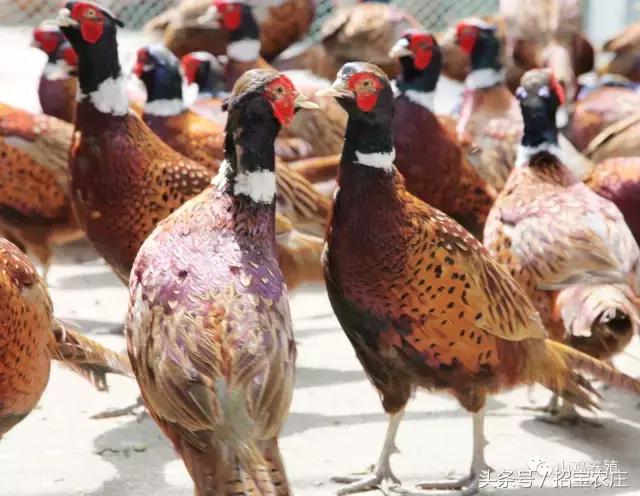
Fujian Zhaobao Farm pheasants with glossy feathers and a spirited bearing
Light intensity and feed and feeding are key
The peak feeding periods for pheasants are generally in the morning and evening. Therefore, turn on the lights 2 hours before dawn and provide water and feed. At night, the lights should also be on for 2 to 3 hours. During the lighting period, drinking water and feed must be sufficient, and the light should not be too strong; a 3-watt to 4-watt bulb per sq m is enough. Generally feed 3 to 4 times a day, and the interval between feedings should be lengthened. The feed's nutritional composition should be comprehensive, with metabolizable energy of 2700 kcal to 2750 kcal, crude protein above 23%, a complete range of essential amino acids, and attention should be paid to adding trace elements and matching with green feed.
How to raise pheasants well, and how to run a farm or agritainment business? You can contact the Zhaobao experts
Read the original article