Complete Guide to Small-Tail Han Sheep Farming Techniques
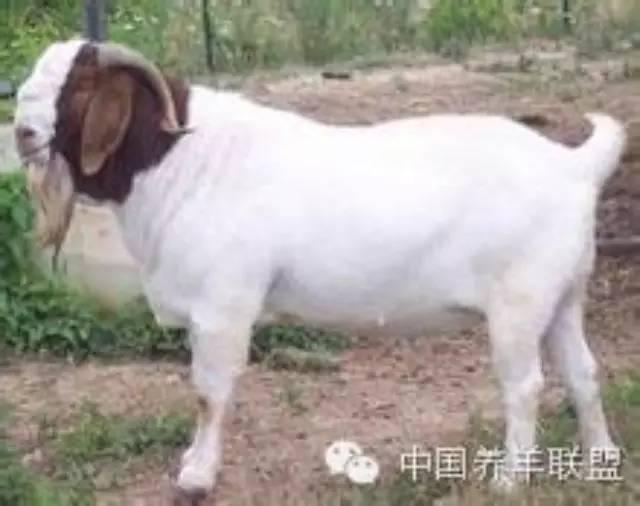
Feeding and Management of Breeding Rams
The quality of feeding and management of breeding rams has a great bearing on improving the quality, conformation, production performance and breeding of the sheep flock. A high-quality ram that is poorly raised cannot fully realize its breeding value. Breeding rams are few in number but high in breeding value. As the saying goes: "A good ram benefits a whole slope; a good ewe benefits a single pen." Breeding rams must be carefully fed and managed, and are required to maintain year-round upper-middle body condition, a robust constitution, abundant energy, and vigorous semen quality, so as to ensure and improve the utilization rate of breeding rams.
(1) Dietary Characteristics of Breeding Rams
The requirements for breeding ram feed are high nutritional value, sufficient protein, vitamins and minerals, easy digestibility, and good palatability. Good roughage includes alfalfa hay, clover, green oat grass, etc. Succulent feeds include carrots, sugar beets or corn silage, etc. Concentrates include oats, barley, peas, black beans, corn, sorghum, soybean cake, wheat bran, etc. High-quality mixed grass and legume hay is the main feed for breeding rams and should be fed as much as possible throughout the year. In summer, supplement with half green-cut grass; in winter, supplement with an appropriate amount of silage. Supplement the shortfall in dietary nutrition with mixed concentrates. Concentrates should not contain too much corn or barley, and bran, peas, soybeans or cake residues should be added to supplement protein. Excellent rams with heavy breeding tasks can be supplemented with animal feed.
(2) Feeding During the Non-Breeding Period
In order to complete breeding tasks, feeding must be strengthened during the non-breeding period, exercise increased, and grazing carried out when conditions permit, to lay the foundation for the breeding period. Before the breeding period, body weight should be 10%-15% higher than during the peak breeding season; if this target is not met, breeding will be affected. During the non-breeding period, in addition to grazing, in winter each ram is generally supplemented daily with 0.5 kg of concentrates, 3 kg of hay, 0.5 kg of carrots, 5 g-10 g of salt, and 5 g of bone meal. In summer, grazing is the main practice, with appropriate concentrate supplementation, fed 3-4 times daily, and watered 1-2 times.
(3) Feeding During the Breeding Period
Feeding during the breeding period is divided into two stages: the pre-breeding preparation period (1 month to 1.5 months before breeding) and the breeding period itself. During the pre-breeding preparation period, the feed amount should be increased, given at 60%-70% of the breeding-period feeding amount, and gradually increased to the concentrate amount of the breeding period. During the breeding period, rams are in a state of nervous excitement, often restless and not settling to feed. Management during this period must be especially meticulous: rise early and sleep late, give less feed more often, and feed multiple times. Feed quality must be good, and when necessary, some fish meal, eggs, or sheep milk can be supplemented to make up for the large nutritional consumption during the breeding period. If the protein quantity is insufficient or its quality poor during the breeding period, it will affect the ram's performance, semen quality and conception rate. The daily feed ration during the breeding period is roughly: 1.2 kg-1.4 kg of mixed concentrates, 2 kg of alfalfa hay or wild hay, 0.5 kg-1.5 kg of carrots, 15-20 g of salt, 5 g-10 g of bone meal, and 5 g of blood meal or fish meal. Give forage in 2-3 portions and water 3-4 times. Daily grazing or exercise time is about 6 hours. The prepared concentrates should be evenly scattered in the trough. Always observe the ram's appetite so as to adjust the feed in time and judge the ram's health status. Breeding rams should be kept away from ewes; otherwise, when a ewe bleats, the ram will stand at the gate or climb the wall, looking around, which affects its feeding. Breeding ram sheds should be chosen in a ventilated, sunny, dry location. Each ram needs about 2 sq m of space. High temperature and humidity in summer will adversely affect semen quality; during this period, rams should graze on cool high ground and rest in a well-ventilated shady place.
Breeding and semen collection of rams should be moderate. Generally, 1 ram can handle the breeding task of 30-50 ewes. Semen collection for breeding rams starts 1 month to 1.5 months before breeding, and semen quality is checked at the same time. In the first week, collect semen once; then increase to twice a week; by the breeding period, once to twice daily, but do not collect semen continuously. For a 1.5-year-old breeding ram, semen collection should not exceed 1-2 times per day; a 2.5-year-old breeding ram can collect semen 3-4 times per day. If semen is collected frequently, there must be rest periods in between, and the ram should not be fed too full before semen collection.
Feeding and Management of Breeding Ewes
For breeding ewes, a relatively high nutritional level is required to achieve the goals of multiple pregnancies, multiple births and multiple strong lambs. Ewe feeding is divided into three stages: the empty period, the gestation period and the lactation period.
(1) Feeding During the Empty Period
Sufficient attention should be paid to the feeding of breeding ewes during the empty period. The nutritional status at this stage has a great bearing on the ewe's estrus, mating, conception and subsequent fetal development. From 1 month to 1.5 months before mating, provide high-quality green grass, or graze on pasture with lush grass; according to the nutritional status of the flock and individual animals, provide appropriate supplementary feeding to keep the flock at a relatively high nutritional level.
(2) Feeding During the Gestation Period
In early gestation (about 3 months), because fetal development is relatively slow and nutrient requirements are low, general grazing or sufficient green grass with appropriate supplementary feeding can meet the needs.
Late gestation is the period of rapid fetal growth; 90% of birth weight is gained during the ewe's late gestation. If nutrition is insufficient at this stage, lambs will have low birth weight and weak resistance, and are very likely to die. In addition, due to poor body condition, the ewe will not be prepared for lactation by the nursing stage and will be short of milk. Therefore, supplementary feeding should be strengthened at this time. In addition to grazing, each ewe needs daily supplementation of 450 g of concentrates, 1 kg-1.5 kg of hay, 1.5 kg of silage, and 15 g of salt and bone meal. Pregnant ewes must be given high-quality forage, and care must be taken to protect the pregnancy. Moldy, rotten, deteriorated or frozen feed must not be fed, and water that is very cold must not be given.
Management must be especially meticulous: going out to pasture, returning from pasture, watering and supplementary feeding must all be orderly, slow and steady, to prevent crowding and slipping, and strictly prevent jumping off cliffs or into ditches, so as to avoid unnecessary losses. Therefore, flat pasture land should be chosen for grazing as far as possible. In particular, do not grab or disturb the flock without cause, and promptly stop horn-fighting among sheep to prevent miscarriage.
In late gestation, especially before parturition, management of the ewe must be especially meticulous. The ewe's flanks sink, the abdomen droops, the udder enlarges, the vulva swells and discharges mucus. Often lying alone in a corner, frequent urination, restless behavior, repeatedly lying down and getting up, constantly turning back to look at her belly, and bleating are all signs that the ewe is about to give birth. Carry out a thorough cleaning and disinfection of the sheep shed and birthing pen, repair doors and windows, plug draft holes, prepare sufficient bedding straw, etc., and notify relevant personnel to make preparations before parturition.
(3) Feeding During the Lactation Period
Milk is the main source of nutrition needed for lamb growth and development, especially in the first 20-30 days after birth: the more milk the ewe has, the better the lamb develops, the stronger its disease resistance, and the higher its survival rate. If the ewe is not well raised, not only will the ewe become emaciated and produce less milk, but the growth and development of the lamb will also be affected.
A ewe that has just given birth has an empty abdomen, a weak constitution, large consumption of physical strength and water, and relatively poor digestive function. For these few days, give easily digestible high-quality hay, salt water, and bran soup. Silage and succulent feeds have a milk-stimulating effect, but should not be given too early or too much. Within 1-3 days after lambing, if body condition is good, feed less concentrates and mainly high-quality hay, so as to prevent indigestion or mastitis.
In early lactation, a nursing ewe generally needs daily supplementation of 500 g of mixed concentrates, 3 kg of alfalfa hay, and 1.5 kg of carrots. In winter, special attention should be paid to supplementing carrots and other succulent feeds to ensure sufficient milk.
In late lactation, the ewe's lactation capacity gradually declines, and the lamb can eat forage and concentrates on its own and no longer depends on milk for survival. The supplementary feeding standard can be lowered somewhat: generally concentrates can be reduced to 0.3 kg-0.45 kg, hay to 1 kg-2 kg, and carrots to 1 kg.
When lambs nurse, prevent uneven milk intake. A udder that the lamb nurses from more often will later have a smaller milk pouch, while a udder nursed from less often will later have a larger milk pouch. An udder that is too large or too small, or drooping, affects the lamb's nursing. The lambs should be controlled artificially so that they regularly nurse evenly from both sides of the udder, keeping the ewe's teats moderate in size and height.
When ewes and lambs graze, the time should go from short to long and the distance from near to far, with special attention to weather changes, and they should be driven back to the pen in time. Before weaning, reduce the amount of succulent feed, silage and concentrates supplied to the ewe to prevent mastitis.
In the ewe pen, bedding straw should be changed frequently, cleaning should be done often, and waste should be removed promptly to keep it clean and dry.
Feeding and Management of Lambs
Sheep from birth to weaning (generally 3.5-4 months of age) are called lambs. Lambs are in the period of the fastest growth and development in their lives. According to data, within 4 months the Small-Tail Han Sheep male lamb grows from 3.61 kg to 30.04 kg, and the female lamb from 3.84 kg to 27.33 kg. At this time, the digestive function is not yet fully developed, the ability to adapt to the outside world is poor, and the source of nutrition changes greatly, from blood and milk to forage. The development of lambs is also closely related to the body weight and production performance of adult sheep later on. Therefore, great attention must be paid to the feeding and management of lambs, and the rearing of lambs must be done well. In view of the growth characteristics of lambs, several key points should be grasped in feeding and management:
(1) Taking Enough Colostrum
Within 1-3 days after birth, lambs must be made to take colostrum. Colostrum refers to the milk secreted by the ewe within 1-3 days after parturition. Colostrum differs from normal milk: it is yellow and thick, rich in protein and fat, with a complete amino acid composition, relatively complete and sufficient vitamins, and more minerals, especially magnesium, which has a mild laxative effect and can promote the passage of meconium. It contains many antibodies and is a kind of natural protective product with disease-resistant effects, able to resist invasion by external microorganisms. Colostrum plays a special and important role in the growth, development and health of lambs. If colostrum is not taken well, it will bring losses to the lamb that are difficult to make up for throughout its life.
(2) Feeding Normal Milk
After the lamb has taken colostrum for 3 days, the stage up to weaning is the stage of feeding normal milk. For several weeks after birth, the lamb mainly depends on breast milk for survival. First, strengthen the supplementary feeding of the nursing ewe, appropriately adding concentrates and succulent feeds, to maintain the ewe's good nutritional status, promote lactation, ensure an adequate milk supply, and feed the lamb enough whole milk. Take good care of the lamb's nursing; for multiple lambs in one litter, ensure even nursing and prevent the strong from taking too much and the weak from taking too little.
(3) Early Supplementary Feeding
In order for lambs to grow and develop quickly and have good growth performance, in addition to taking enough colostrum and normal milk, supplementary feeding should also be started as early as possible. This not only enables lambs to obtain more complete nutrients, but also exercises the digestive function of the stomach and intestines early, promotes the healthy development of the gastrointestinal system, and strengthens the lamb's constitution. Small-Tail Han Sheep begin to follow the ewe and learn to eat tender grass and feed at 1 week after birth. After 10-15 days of age, lambs can be given fresh tender green grass and some soft, fine high-quality hay and leaves; the grass can also be tied into small bundles and hung on racks high enough for lambs to reach, so that lambs can lick and eat at any time. To get lambs to eat feed as soon as possible, initially cornmeal and soybean flour can be mixed and boiled into thin porridge or stirred into water for the lambs to eat; roasted concentrates can also be placed in a basin so that the lambs first smell the aroma and then lick and eat, or powder concentrate can be smeared on the lamb's mouth and the lamb allowed to grind and eat repeatedly; once it smells the aroma and tastes the sweetness, it will compete for feed just like adult sheep.
(4) Moderate Grazing
Appropriate exercise for lambs can strengthen their constitution and improve disease resistance. Newborn lambs are kept in the pen for the first few days; after 5-7 days, lambs can be driven to a place with ample sunlight to move about freely, first sunning for half an hour to 1 hour, then gradually increasing. After 3 weeks, they can graze with the ewe, starting with shorter distances and choosing flat, leeward, sunny places with good grass for grazing. Later, gradually increase the grazing distance. When mother and lamb graze together, walk slowly; lambs do not stay attached to the flock, so take care not to lose them. After 30 days of age, lambs can be grouped for grazing, and grazing time can be gradually increased as the lamb's age increases. Do not graze on low-lying, wet, soft pasture land: lambs that lick and nibble loose soil are prone to gastrointestinal diseases, and on low-lying wet land they are prone to parasitic diseases. During grazing, train lambs from an early age to obey verbal commands.
(5) Timely Weaning
When weaning lambs, weaning should be done scientifically according to growth and development. Normally developing lambs can already eat large amounts of forage and feed by 3-4 months of age, have the ability to live independently, and can be weaned and turned into weaned lambs. If lamb development is relatively uniform, one-time weaning can be adopted. If development is uneven, stepwise weaning can be adopted, that is, the strong lambs are weaned first. The weak and thin lambs continue to nurse, and the weaning time can be appropriately extended. After weaning, the lambs remain in the original pen, and the ewe is shut in a farther sheep shed, so as to prevent the lambs from missing their mother and affecting their feeding.
Weaning should be carried out gradually, generally completed over 7-10 days. At the beginning of weaning, let mother and lamb be together only twice a day, in the morning and evening, for nursing. Later, change to nursing once.
Supplementary Feeding Methods for Lambs Lacking Milk
For lambs with no milk to drink, fresh eggs, cod liver oil, and salt can be mixed with boiled water and stirred evenly for feeding. For lambs with little milk, expressed ewe milk can be mixed with the above items for feeding, with better results. The specific method is: 1 fresh egg, 4 ml or 1 capsule of cod liver oil, 2 g of salt, and 100 ml of boiled water. Put the fresh egg, cod liver oil and salt together in a cup, pour in boiled water and stir evenly; when cooled to 38°C-40°C, it can be fed to the lamb. For lambs within 7 days after birth, supplement 4-6 times daily, 50 ml each time, or the daily feeding amount is 1/5-1/4 of birth weight, increasing day by day thereafter. By the 8th day after birth, the feeding amount can be increased to 0.8-1.0 kg. As the lamb continues to grow, around 15 days begin training it to eat grass and feed, and gradually reduce the cod liver oil. After 1 month, gradually reduce the feeding amount and increase supplementary forage.
Assisted Lambing of Small-Tail Han Sheep
1. Preparation Before Parturition
(1) 1-2 days before parturition, keep the ewe in the pen for tethered feeding or graze her in a nearby pen;
(2) Prepare the birthing room (clean it, disinfect with 20% limewater, or carbolic acid, plant ash, etc., and spread some bedding straw, etc.);
(3) Prepare iodine tincture, a washbasin, towels, medicated soap or Lysol, bromogeramine, potassium permanganate, etc. for assisted lambing;
(4) Make lambing plans and lambing records, etc.;
(5) 3 days before parturition, reduce the ewe's feed to the minimum, with concentrates as usual.
2. Assisted Lambing
(1) Let the ewe lie on flat ground or on a place higher in front and lower behind, to facilitate lambing;
(2) As the ewe strains, the assistant grasps the lamb and gently pulls it along the natural direction. Then tear the umbilical cord (about 1 cun from the abdomen), squeeze out blood, and disinfect with iodine tincture to prevent tetanus, etc.;
(3) Let the ewe lick the lamb dry, to strengthen maternal behavior and facilitate the expulsion of the afterbirth; when necessary, clean bedding straw can be used to help gently wipe off the large amount of mucus and fetal water on the lamb's body. Except for lambing in winter, spring and late autumn, which requires keeping the birthing room warm, at other times there is no need to light a fire for warmth;
(4) Peel off the fetal hooves, let the lamb stand up, and assist manually for the first suckling; weigh the birth weight after half an hour;
(5) For multiple-birth Small-Tail Han Sheep, the interval between the birth of each lamb varies: as quickly as a few minutes, as slowly as nearly 1 hour or longer. After the last lamb is born, give the ewe warm water and salt water; do not give cold water within five days. Concentrates are gradually increased, reaching the prescribed amount by the 10th day, after which the concentrate amount is appropriately increased as needed;
(6) Inject the lambs with tetanus toxoid or antitoxin within 5 days.
PS: Welcome to follow the WeChat public account of the China Sheep Farming Alliance, the country's first public welfare platform for the sheep farming industry: zgyylm123