How to grow geraniums? A detailed guide to cultivation methods
Geraniums like a warm climate and fertile, loose soil; they are drought-tolerant and afraid of waterlogging, grow poorly during the hot summer high-temperature period, and enter a semi-dormant state. Today Huahua will teach you some geranium care tips!
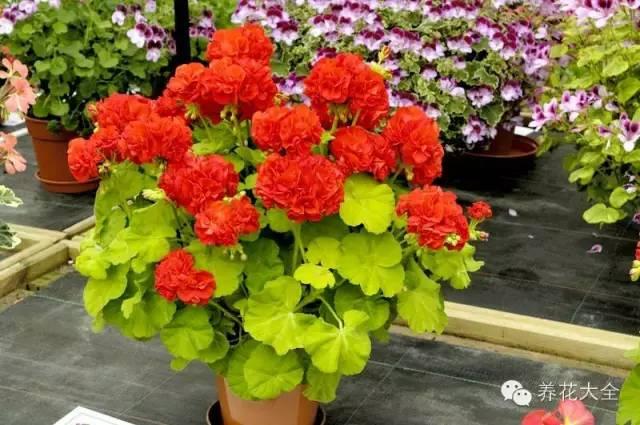
1 Geranium cultivation methods
1. Soil:Geraniums are also highly adaptable and can grow in all kinds of soil, but they grow best in sandy loam rich in humus.
2. Watering:Geraniums like dry conditions and dislike dampness, so watering should not be excessive in winter; water only when the soil is dry, and keep it moist but not wet. If the soil is wet, the stems become soft and tender, which is unfavorable for the sprouting and opening of flower stems. Prolonged excessive moisture will cause the plant to grow leggy, the position where flower stems form to shift upward, and the leaves to gradually turn yellow and drop off.
3. Sunlight:Geraniums need plenty of sunlight during the growing period, so in winter they must be placed in a sunny spot. With insufficient light, the stems and leaves grow leggy, the flower stalks become thin and soft, and the inflorescences develop poorly. Flower buds under weak light often fail to open properly and wither prematurely.
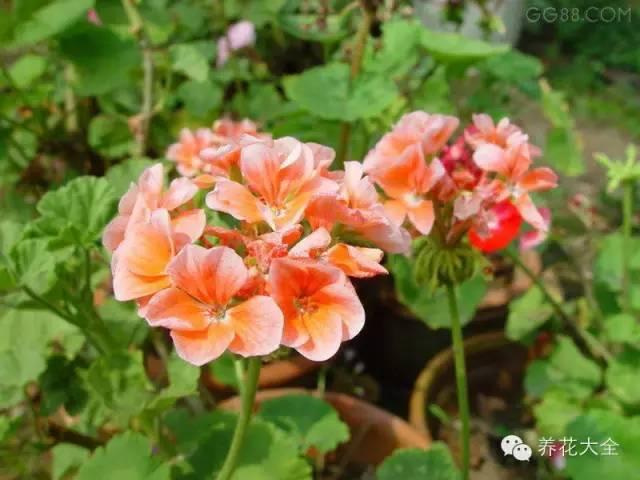
4. Temperature:Geraniums like warm winters and cool summers. Indoors in winter, maintaining I0-15°C during the day and above 8°C at night is enough for normal flowering. But the optimum temperature is 15-20°C.
5. Fertilizing:Geraniums do not like heavy fertilizer; too much fertilizer will make geraniums grow excessively and hinder flowering. To make flowering abundant, apply a dilute fertilizer solution (decomposed soybean cake water) once every 1-2 weeks; applying 800 times diluted potassium dihydrogen phosphate solution every 7-10 days can promote normal flowering.
6. Pests:Geraniums grown with poor ventilation and excessive humidity are prone to leaf spot disease and flower wilt disease. Once discovered, attention should be paid to ventilation, and the diseased flowers and leaves should be removed immediately to prevent infection, and an equal-amount Bordeaux mixture should be sprayed for control. The main pests are red spiders and whiteflies, which harm the leaves and flower stems; they can be killed by spraying 1000 times diluted 40% omethoate emulsion.
7. Pruning:Pruning and pinching: To encourage geraniums with more branches to bloom more, the plant should be pinched multiple times to promote more branching and bud formation. After the flowers fade, the spent flowers should be cut off in good time, and overly dense and weak branches should be cut off to avoid excessive consumption of nutrients, but in cold winter, heavy pruning is not advisable.
2 Geranium winter care
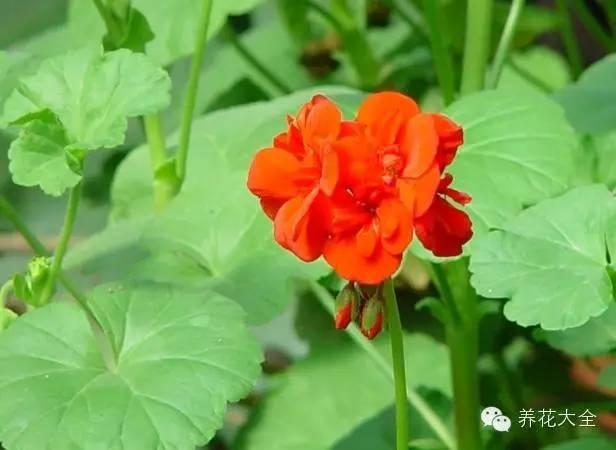
Temperature control and light maintenance: Geraniums like warmth and are afraid of cold, so cold protection measures should be taken in winter. The indoor temperature should be kept at 15°C-20°C, and at night it must not be lower than 10°C. In an environment with too low a temperature, the plant grows weakly, which is unfavorable for flower bud differentiation, resulting in fewer flowers or even no flowers. But an environment above 25°C is also unfavorable for its growth and development. Normally, the potted plant should be placed in front of a sunny window so it can receive sufficient light. If the light is insufficient, the plant tends to grow wildly, affecting flower bud formation and even causing already formed flower buds to wither.
Moderate water and fertilizer: Geraniums are afraid of dampness and tolerant of drought, so daily watering should be moderate; generally water once every 5-7 days and keep the potting soil on the dry side, only slightly moist. Too much watering will cause the leaves to turn yellow and drop off, affecting flowering, and may even cause root rot and death. Normally, spray the leaf surface with clean water frequently to keep the leaves clean, which is beneficial for photosynthesis. To make geraniums bloom continuously after the beginning of winter, sufficient nutrients need to be supplied; apply a dilute liquid fertilizer once every 10 days or so, which can be made by mixing soybean cake, hoof pieces, and fishy water, and used with water after fermentation.
Pruning and pinching: To encourage geraniums with more branches to bloom more, the plant should be pinched multiple times to promote more branching and bud formation. After the flowers fade, the spent flowers should be cut off in good time, and overly dense and weak branches should be cut off to avoid excessive consumption of nutrients, but in cold winter, heavy pruning is not advisable.
3 Control of the main geranium diseases
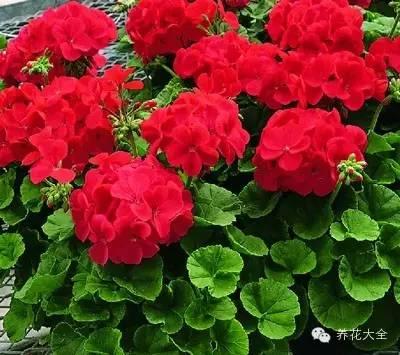
1. Leaf spot disease.In the early stage, pinhead-sized, round or irregular brown small spots appear on the leaves, which later gradually expand into dark brown or reddish-brown lesions; in severe cases the entire leaf is covered with lesions until it dries up and drops off. The stem and branches also turn black, shrink and rot, and even the leaves on the stem wither and die, leaving only a few leaves at the top.
Preventive measures: a. When growing in a greenhouse, the density should not be too high, and attention should be paid to frequent ventilation and light transmission.
b. When watering, avoid watering onto the plant and avoid splashing water droplets.
c. Avoid taking cuttings from diseased plants; if diseased leaves and branches are found, they should be cut off and burned in good time.
d. During periods of high temperature and humidity, spray 200 times diluted equal-amount Bordeaux mixture once every 2 weeks, for 3 consecutive times.
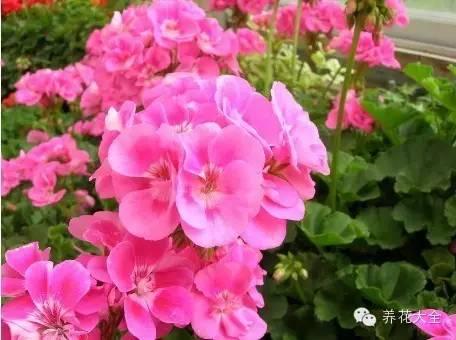
2. Gray mold.This disease is mainly caused by excessive watering, and is even more severe when encountered in cold, damp conditions. It first harms the flowers, causing the edges of the petals to darken and wither; when air humidity is too high, gray mold layers appear, and the small flowers twist together; when the affected petals fall onto the leaves, they can also cause disease in the leaves. Water-soaked brown lesions appear on the leaf surface, which after drying shrink and are covered with a light gray mold layer.
Control measures:a. Remove diseased leaves and flowers in good time, avoid getting them on the plant when watering, promptly remove moisture from the leaves and flowers, and always pay attention to ventilation and light transmission.
b. In the early stage of the disease, spray 500 times diluted 75% chlorothalonil in good time, for 3 consecutive times.
Follow the Yanghua Daquan WeChat official account, and you will be able to grow any flower!
WeChat ID: yanghua98 (long-press to copy)
To meet expert flower growers, please add the florist's personal WeChat: huahuishi