June Snow: A Naturally Elegant Flowering Tree Bonsai
June Snow (Serissa japonica) is one of the trees commonly used in Chinese bonsai. It features fine leaves, abundant flowers, dense branches, a thick trunk and exposed roots. Proper pruning and shaping can bring out its full beauty.......A must-pick tree species for beginners!
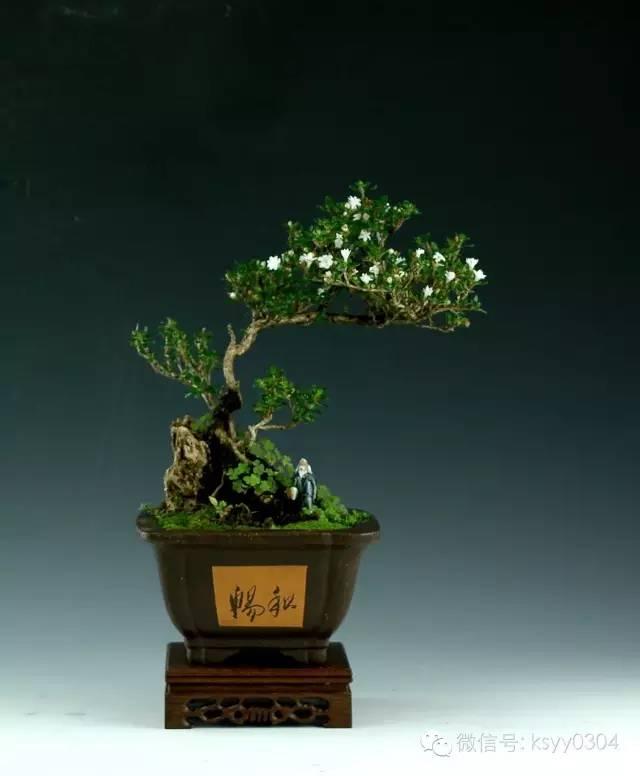
Plant Knowledge:An evergreen small shrub with numerous dense branches. The leaves are small, opposite, slightly leathery, ovate or long elliptic, with entire margins, and deep green on the surface. In summer, from June to July, small white flowers bloom in the leaf axils or at the tips, white with a reddish tinge or pale pinkish-purple, solitary or in clusters, with funnel-shaped corollas. When in full bloom, they look like scattered snowflakes, hence the name "June Snow."
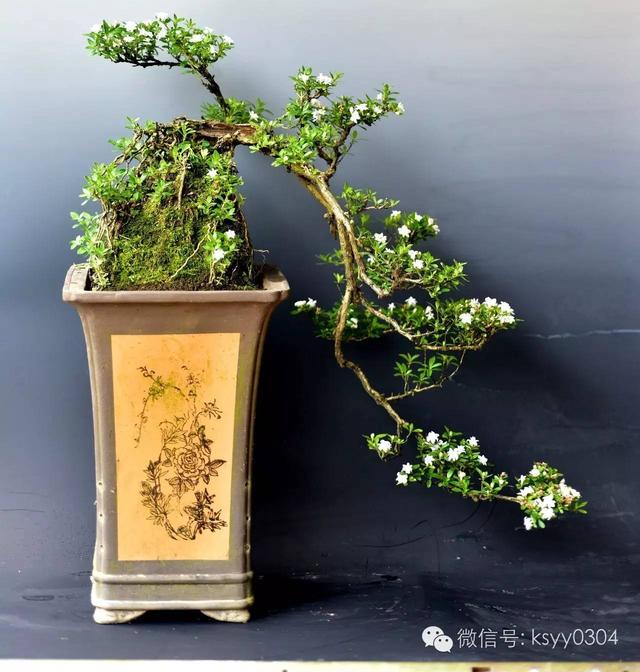
Common Varieties:
1. Double-petaled June Snow, with double petals.
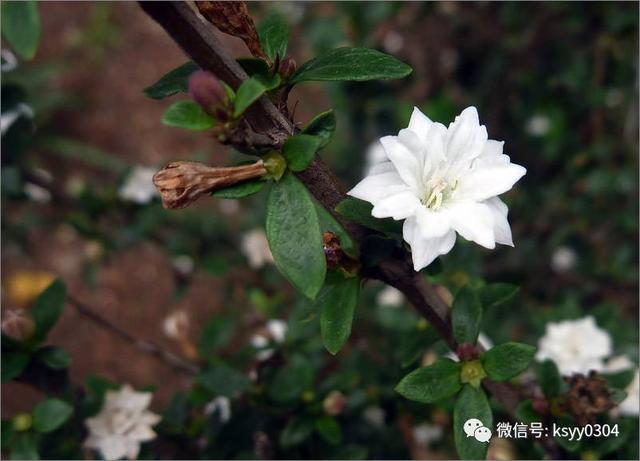
2. Double-layered June Snow, with two layers of petals.
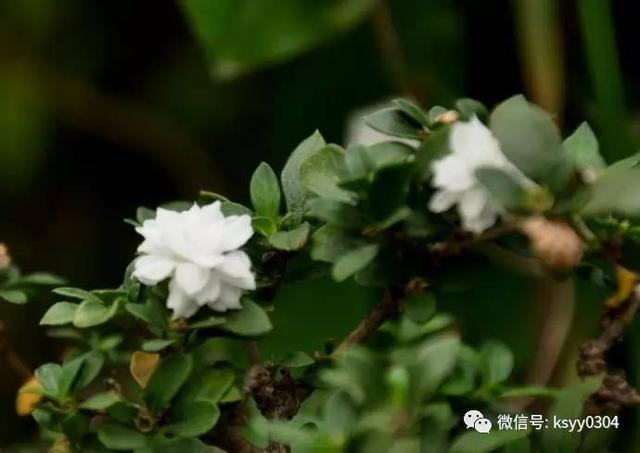
3. Variegated June Snow, also called spotted-leaf June Snow. The leaf surface has white markings.
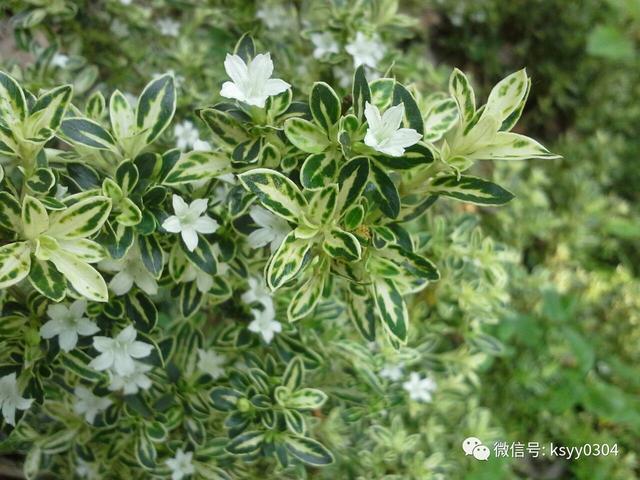
4. Golden-edged June Snow, with yellow markings along the leaf margins.
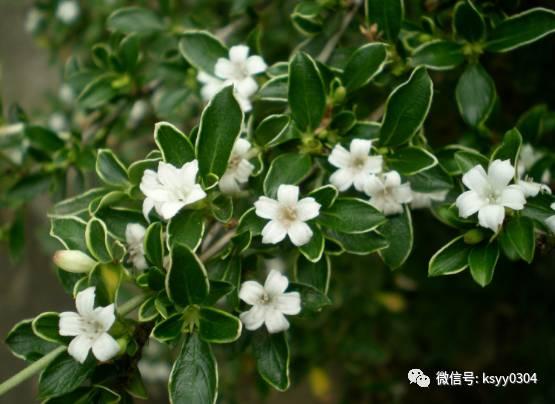
Potting Tips:It is best done in February-March. Choose a relatively shallow purple clay pot or glazed pot, with a slightly darker color to contrast with the flower color. The potting soil should be sandy loam rich in organic matter, loose and fertile, with good drainage and aeration. (Division propagation in March, cutting propagation from April to October.)
Shaping Tips:The branches of June Snow are soft yet tough, able to withstand various wiring techniques, and it has strong vitality, so even "heavy pruning" is no problem. Straight-trunk style, twisted style, cascade style and forest style are all good choices. (No further elaboration here; I have written in detail about bonsai shaping before, and interested friends can look through the past posts.)
Daily Care:
Light:June Snow prefers cool and shaded conditions, so in summer it should be kept in a semi-shaded spot. In winter, place it indoors to overwinter, with the room temperature not lower than 5°C, but it should not be too high either; usually 10-20°C is best. (Friends in the north, remember not to place it next to a heater.)
Water and Fertilizer Management:During the growing season, June Snow bonsai should be watered frequently, and it should not be too dry or too wet for long periods. In summer, spray water on the leaves 1-2 times a day (if the soil hardens into clumps, soak the pot). In winter, reduce watering frequency and just keep the potting soil moist and slightly on the dry side. From April to May each year, apply 2-3 times a 0.5% concentration phosphorus-potassium fertilizer solution; in midwinter, apply 1-2 times a dilute organic fertilizer solution as a top dressing; do not fertilize in other seasons. Avoid applying concentrated fertilizer.
Repotting and Pruning:Repot once every 1-2 years, in spring from February to March or during late autumn. Remove all old soil and appropriately prune the roots. Root raising can be done along with repotting to form exposed roots and enhance ornamental value. Each winter, after partial leaf fall and before the next spring's bud break, carry out shaping and pruning: shorten long branches and leggy branches, thin out overly dense fine weak branches, and cut off diseased and pest-damaged branches as well as other messy branches that affect the ornamental look. During the growing season, timely pinch back, remove buds and eliminate side shoots to maintain a graceful shape.
Pest and Disease Control:June Snow bonsai occasionally suffers from aphids and snails. Aphids can be killed by spraying a 500-600 times diluted essential balm solution; snails can be killed by spraying a 1500 times diluted 58% Fengleiji emulsifiable concentrate. Sometimes root rot occurs. At the early stage, use a 600-1000 times diluted 12% copper abietate emulsifiable concentrate, or a 800 times diluted 50% Genfuling solution to drench the roots and spray the leaves for control, spraying (drenching) once every 3-5 days, for 3-4 consecutive times.
Tips for Finding Stumps: In southern regions, they are mostly found on north-facing shady mountain ridges. If the stump is too large to carry, cut some shapable branches and take them back for cutting propagation. Winter is exactly the time to dig up stumps, so friends who are tempted should act quickly!
Welcome to follow the WeChat public account "Keshan Yiyu.ksyy0304". Interested friends can also join the QQ discussion group 263657723~~~