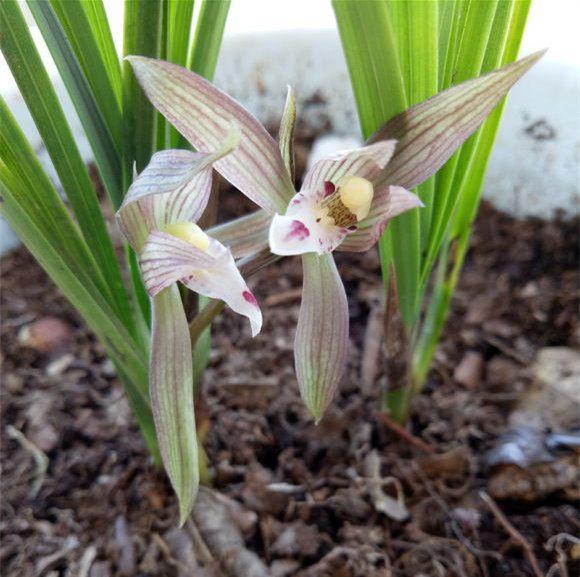
Use this one trick for orchids all year round, and sprouting and blooming will double
Throughout the year, the speed at which the potting medium in an orchid pot absorbs and evaporates water is completely different. In spring, orchids need a lot of water, but there is plenty of rain, so the orchid pot does not dry out easily; in summer and autumn, orchids grow vigorously and the climate is dry, so the orchid pot dries out especially easily; while in winter, although it is dry, orchids enter a dormant state, so water evaporation is very small and the potting soil does not dry out easily. Therefore, flower lovers need to learn one trick: watering throughout the year should be controlled differently according to the season.
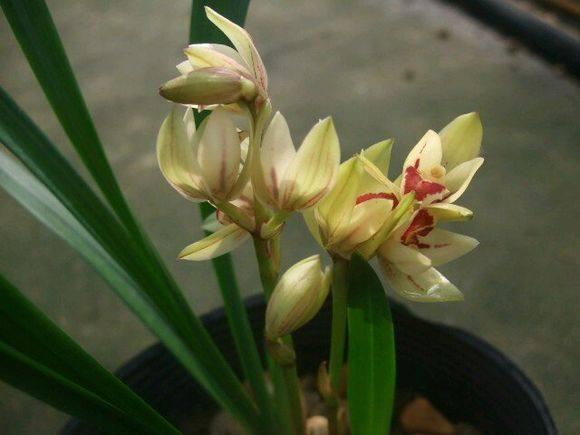
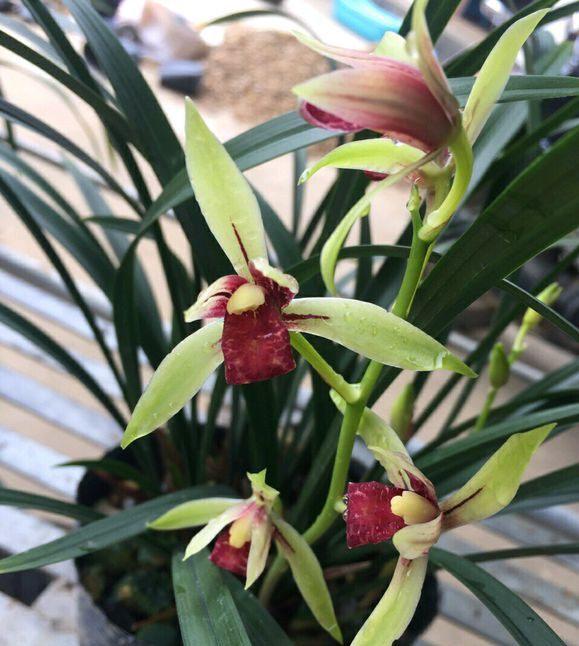
Genuine Cymbidium goeringii 'Datang Shengshi', for sale with flower buds, easy to grow, strongly fragrant, easy to keep alive, orchid seedlings, flowers, potted plants, bonsai
1. Spring
In spring and during the rainy weather of the plum rain season, air humidity is high, so the orchid pot can be kept a bit drier. If it is not too dry, you can skip watering; but if the weather turns clear, be careful not to let it get too dry. Keeping the potting soil one to two parts dry is best, because in spring orchids are sprouting and some orchids are blooming one after another, so they still need more water. It is best to keep the orchid pot alternately dry and wet, moist but not parched. You should prevent it from being too wet, and even more importantly, be careful not to let it get too dry.
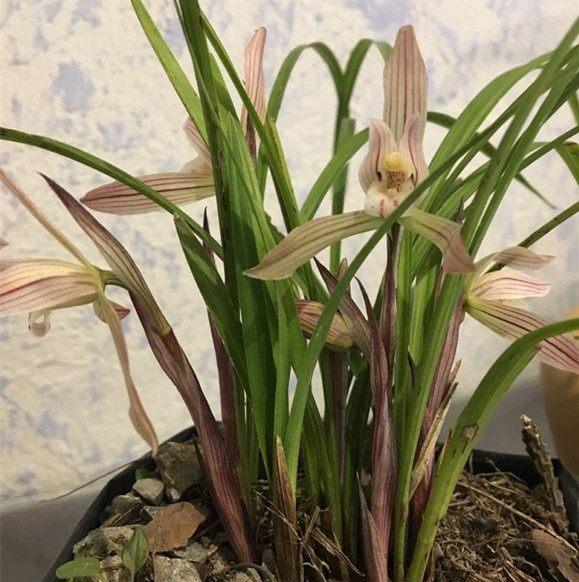
In addition, in spring, flower lovers need to replenish nutrients for orchids in time to support their growth and blooming. You can use an organic nutrient solution, diluted 500 times with water, and water it in once a week, and the orchids will grow quickly, sprout, and bloom.
Huadongde orchid-specific nutrient solution, Clivia miniata potted sprout-promoting and root-stimulating liquid fertilizer
2. Summer
In summer, as temperatures gradually rise, orchid seedlings and orchid roots are in the late growth stage, and the flower buds of Cymbidium goeringii and Cymbidium faberi begin to initiate. To promote flower bud differentiation, you can appropriately control water. But be careful to prevent the orchid pot from losing water. In the early stage, the potting soil can be kept three to four parts dry; after flower buds are found, it is best to switch to keeping it two to three parts dry. If you find that the surface soil of the orchid pot turns white and the soil below two parts no longer shows a moist color, then it is time to water promptly. Generally, you should water once every 2-3 days, and when watering, be sure to water thoroughly.
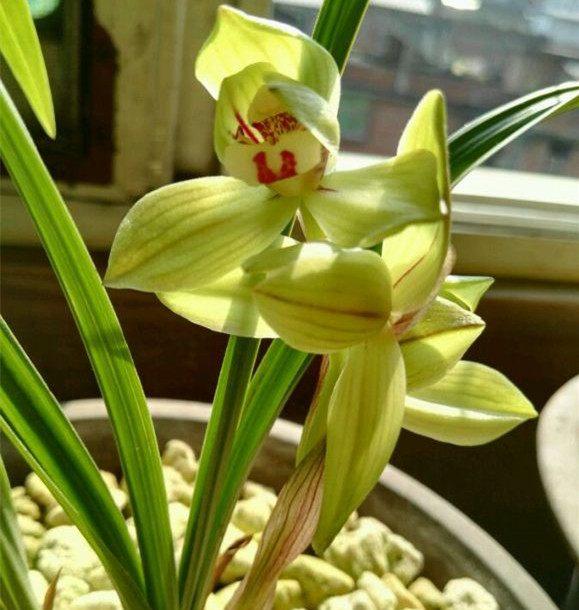
To solve the watering problem well, flower lovers must pay attention to choosing a suitable flower pot when growing orchids. Using a flower pot specially made for orchids not only has the advantages of breathability and drainage, but also avoids root rot caused by watering problems.
Orchid plastic flower pot, thickened imitation ceramic pot, orchid resin balcony-specific breathable flower pot
3. Autumn
In autumn, the sky is high and the air is crisp, with high temperatures and low air humidity. If the potting soil is too dry, it can easily harm the orchids, hence the saying "do not keep it wet in the mold season, do not let it dry out in autumn." It is best to let the surface of the potting soil look moist. Keeping the potting soil one to two parts dry is most beneficial to orchid growth. Avoid exceeding three parts dry. Generally, watering once every 1-2 days is enough.
4. Winter
In winter, the climate is cold, and orchid leaves enter the dormant period, so the demand for humidity is not high. The moisture in the potting soil mainly evaporates because the air is dry. Normally, it can be kept a bit drier. The potting soil is best kept between two parts dry and four parts dry, and avoid exceeding five parts dry.