Solutions to 10 common problems with chemical fertilizer use and how to identify chemical fertilizers
1. Seedling burn
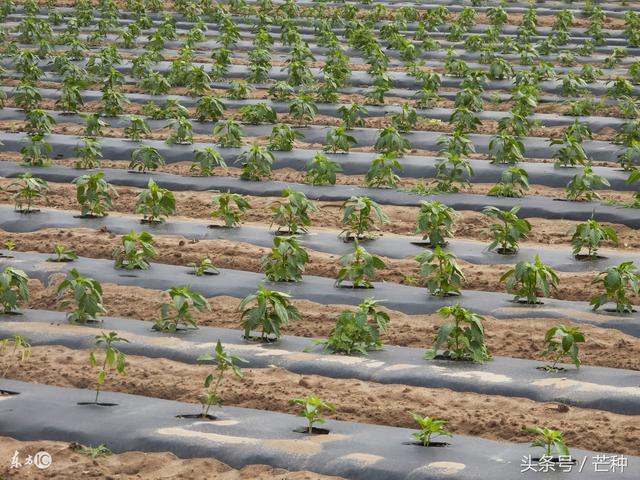
Cause:
Fertilizer concentration too high.
Solution:
Water heavily
Spray potassium dihydrogen phosphate on the leaves
Replant or switch crops in time
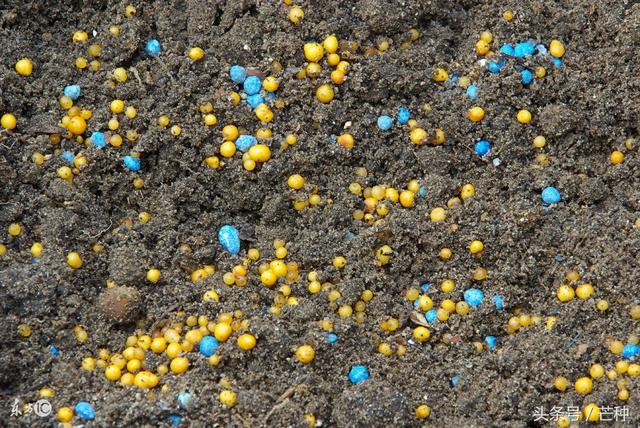
2. Fertilizer not dissolving
Cause:
Soil drought
The fertilizer itself has too thick a coating
The fertilizer has low nutrient content and many fillers
Solution:
Choose high-concentration fertilizers
Water after fertilizing
Avoid broadcasting on the soil surface
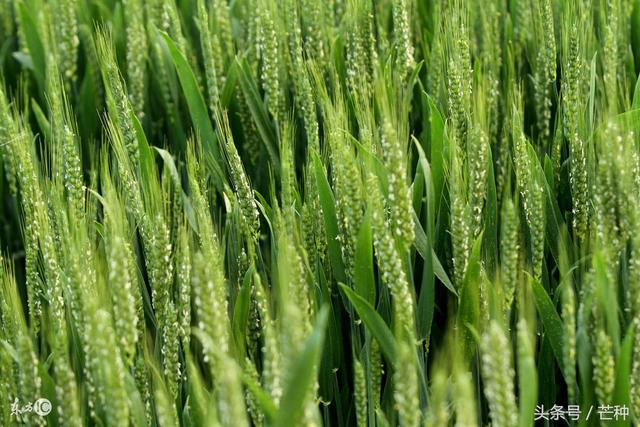
3. The same fertilizer produces uneven growth
Cause:
Uneven fertilization
Differences in soil fertility
Continuous cropping effect
Low-lying terrain and compacted soil
Herbicide residue from the previous crop
Soil moisture too high or drought
Solution:
Apply fertilizer in split doses and topdress poor-growing plants in time
Try to avoid continuous cropping for many years
Use more organic fertilizer to regulate the soil's physical and chemical properties
Prohibit the use of inferior herbicides to reduce the impact on the following crop
Irrigate reasonably and maintain soil moisture at 60-70%
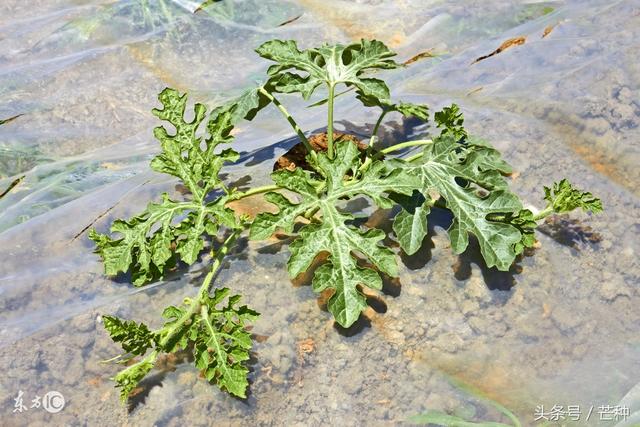
4. Stunted seedlings
Cause:
Low soil temperature leading to phosphorus deficiency
More reducing substances in the soil, such as hydrogen sulfide, which poison rice roots
Excessive nitrogen fertilizer application and soil zinc deficiency
High soil salinity
Solution:
Pay attention to the application of trace elements, especially zinc fertilizer
Adjust the sowing time to avoid low-temperature cold waves
Use more organic fertilizer to improve the soil and reduce soil toxicity
Keep the soil moist and prevent the soil from becoming too dry
5. Abnormal leaves
Cause:
Reddening -- low temperature and phosphorus deficiency
Yellowing -- excessive urea
Whitening -- biuret poisoning
Other -- deficiency of medium and trace elements
Solution:
Balanced fertilization
Change fertilization habits
Supplement trace elements on the leaves in time

6. Fertilization methods
Broadcasting -- easily lost, prohibited in drought
Band application -- good effect
Hole application -- do not place too close to the roots
Foliar topdressing -- small amounts, multiple times
7. Seed fertilizer
Not suitableFertilizers used as seed fertilizer:
High-concentration chemical fertilizers (such as urea)
Highly hygroscopic chemical fertilizers (such as ammonium nitrate)
Highly volatile chemical fertilizers (such as ammonium bicarbonate)
Chloride-containing fertilizers (such as potassium chloride and ammonium chloride)
High-concentration compound fertilizers
8. Misconceptions about fertilization
The following views arewrong:
Rushing for quick results: when fertilizing, the closer to the plant, the easier the fertilizer is absorbed
Seeking more and bigger: fertilizing only after crops show signs of nutrient deficiency
Waiting for problems before remedying them: as long as the crops' vegetative growth is good (establishing the seedlings), high yields can be obtained
Personal preference: as long as more fertilizer is applied, high yields and high returns can be obtained; focusing only on applying macronutrients and not on applying medium and trace elements
9. Identification of chemical fertilizers [1]
Packaging: the fancier the fertilizer packaging, the worse the quality may be
Function: the more functions a fertilizer promises, the less reliable it is
Color: the more colorful the fertilizer, the less reassuring, especially potash fertilizer
Content: by comparison, fertilizers with higher content are better
Name: do not assume that a foreign fertilizer name means it is imported
10. Identification of chemical fertilizers [2]
Appearance: nitrogen fertilizer is white and crystalline, potash fertilizer is white and crystalline, but Canadian potash fertilizer is reddish-brown, and phosphate fertilizer is grayish-white or gray
Solubility: both nitrogen fertilizer and potash fertilizer are soluble in water, while phosphate fertilizer is only partially soluble in water or insoluble in water
Burning: a large amount of white smoke, ammonia odor, sour taste, crackling sounds, dry explosion and jumping, combustion-supporting effect
Formulas for 10 common vegetable pest control treatments. Remember them all and you will be an expert!
What are the lower fungi and higher fungi that cause crop diseases?
Illustrated guide | Identification of 15 common vegetable diseases + treatment formulas. After reading, you will be half an expert!
Detailed explanation of key points for identifying 30 vegetable diseases. A step-by-step guide to recognizing diseases (Part 2)
Thailand's super inspiring chemical fertilizer ad: Do you want to buy it? If you buy it, you are that kind of person...