A Complete Guide to Duckling Rearing Methods and Management
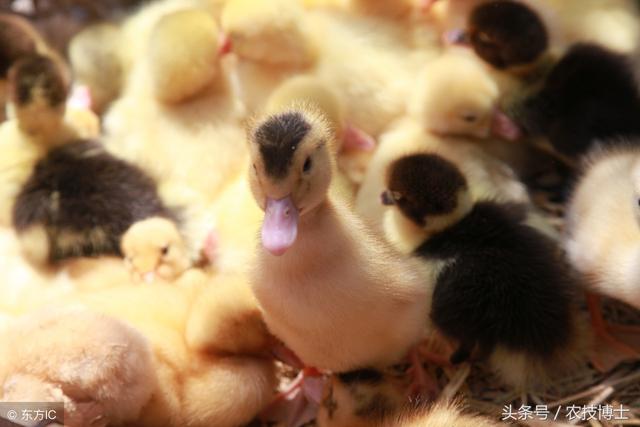
Ducklings are young ducks from hatching to 30 days of age. At this stage, their bodies are still relatively delicate, and their ability to adapt to external conditions is relatively poor. In addition, ducklings have a small appetite and a relatively poor ability to digest, absorb and convert nutrients, so management needs to be strengthened. So, do you know what rearing methods there are for ducklings? Let us now look at the complete guide to duckling rearing methods.
A Complete Guide to Duckling Rearing Methods
1. Floor rearing:Spread bedding materials such as wood shavings, rice straw and sawdust evenly over a cement floor. The surface bedding must be clean and soft, and damp bedding should be replaced promptly. Floor rearing takes up a relatively large area, requires relatively heavy labour, and uses a lot of bedding. Although the rearing results are relatively good, the rearing cost is relatively high.
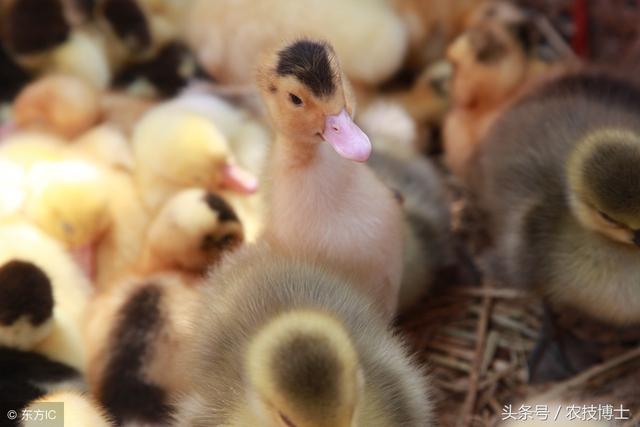
2. Wire-mesh floor rearing:Wire-mesh brooding means raising ducklings on a mesh surface instead of on the floor inside the brooding duck house. Frames (load-bearing) can be built from bamboo, wood or metal and other materials, with plastic mesh laid on top. The mesh openings are 1-1.5 cm in size, and the sides are enclosed with bamboo slats about 30 cm high, divided into several small pens. The mesh beds can be arranged in a single row or double row, and aisles should be left in the house for the keepers to feed and clean. The mesh is generally 60-80 cm above the ground. Wire-mesh floor rearing is off-ground rearing: ducklings do not come into direct contact with droppings, which reduces the chance of recontamination by pathogens. At the same time, the hygiene of the duck house is markedly improved, and cleaning and disinfection are both convenient, which helps prevent disease and can raise the survival rate of brooding. It is suitable for large-scale rearing, but the one-time investment is relatively high.

3. Cage rearing:On the basis of wire-mesh floor rearing, the number of rearing tiers is increased, with a droppings tray fitted beneath each tier (except the bottom tier). Cage rearing makes full use of the duck house space, increases the number of birds raised, and saves energy. However, it is not convenient enough to manage and the construction cost is relatively high.
[Editor's Conclusion]Ducklings have relatively weak resistance. In the rearing process, to raise the survival rate, their rearing management also needs to be strengthened and appropriate rearing methods adopted. Above, we have introduced a complete guide to duckling rearing methods for everyone, and we hope it can help you!