What are the cultivation methods and precautions for Agave?
Precautions for growing Agave How to grow Agave better - before growing Agave, learning some relevant general knowledge and the corresponding cultivation methods is very beneficial for planting Agave. Now let us take a look at the precautions for growing Agave and the corresponding methods!
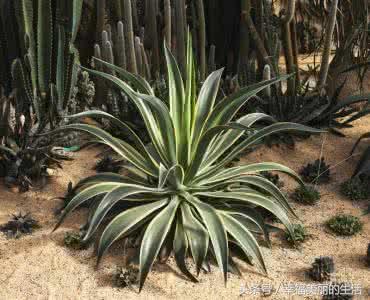
General knowledge about Agave:
In everyday life we call Agave by names such as Agave palm, sisal hemp and century tree. It is a perennial herbaceous plant with an average lifespan of about 28 years, and no matter what it is called, that does not stop us from liking it. Agave leaves stay evergreen all year round and are very firm. If you grow a pot of it and place it at home, it will add a lot of vitality to our indoor environment.
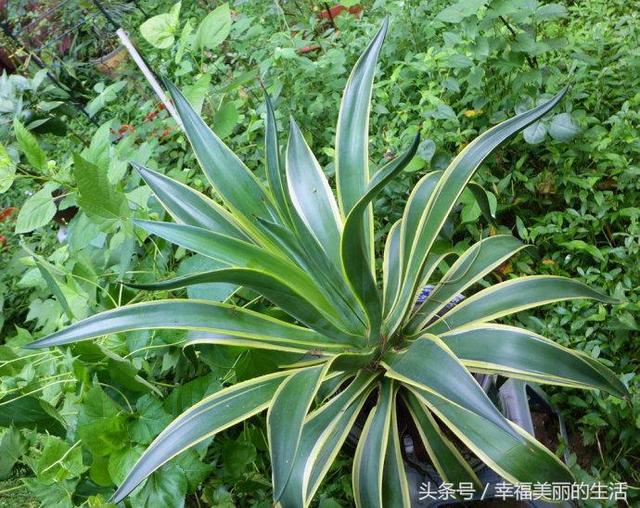
The methods and precautions for growing Agave are as follows:
1. Choose soil suitable for Agave growth. Although Agave does not have high requirements for soil, when choosing soil it is still recommended to choose loose, fertile loam with good drainage, for example a soil mixed with leaf mold and coarse sand.
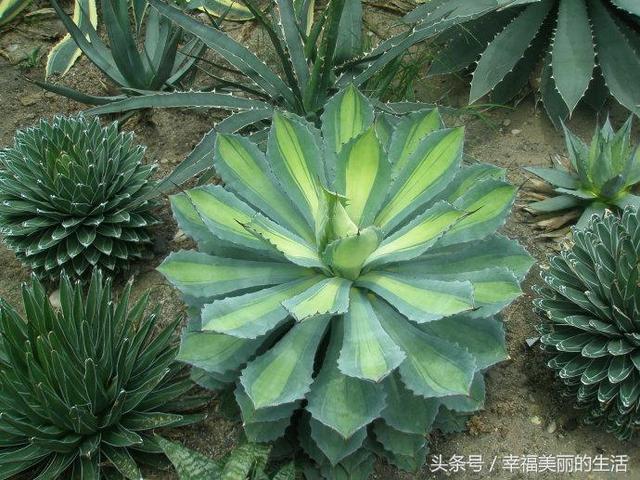
Details to note: Generally, Agave grows rather slowly, so in order to create a suitable living environment for it and let it grow smoothly, it is recommended not to repot it frequently. In addition, because Agave very much likes a dry environment, when choosing soil you should also consider whether it has good drainage.
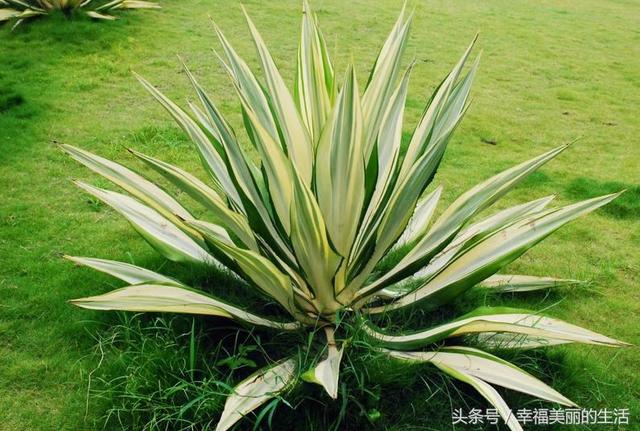
2. Give moderate light. Agave needs plenty of sunlight during its growth, especially in winter. Only with sufficient light can Agave have good growth and appearance. In addition, although Agave is quite adaptable to temperature and generally tolerates no lower than 7°C, it is recommended to create a comfortable living environment for it; generally the temperature favorable for Agave growth is 15-25°C, and at night generally 10-16°C.
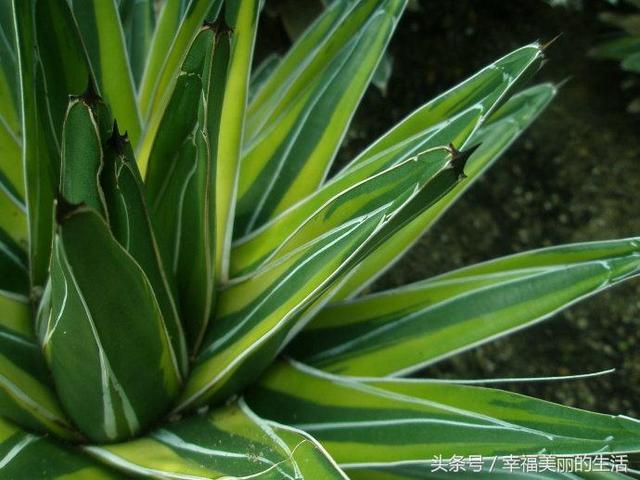
Details to note: During its growth, Agave needs long periods of light, so you should often put Agave outside to receive sunlight. Insufficient light has a very big impact on Agave. In addition, in winter, although the sunshine conditions are relatively poor, in order not to affect Agave growth and to let it overwinter safely, you should still try to provide it with sufficient sunlight.
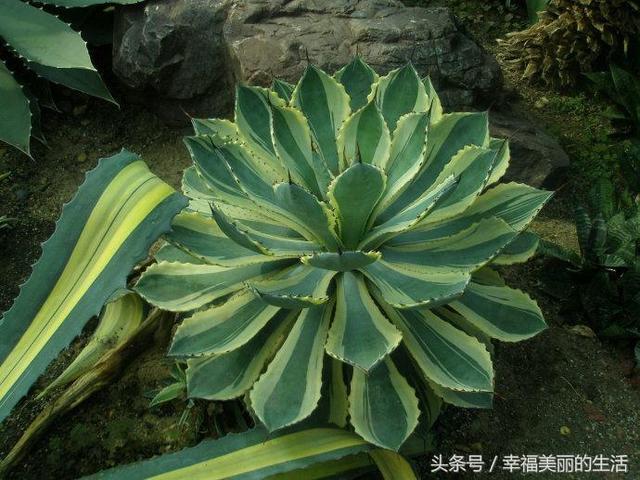
3. Control the amount of watering well. Agave does not have very high water requirements. Even in summer it does not need to be watered every day; watering once every two days is enough. However, note that each watering should soak through, so it is also very suitable for lazy people to grow.
Precautions: Agave is generally watered only after the potting soil has dried out completely. In addition, when the temperature is below 15°C, water less, and when it is below 5°C, stop watering, so as not to affect its growth.
4. Reasonable fertilizing to promote Agave growth:
Although Agave has very strong adaptability to the environment, and even too few fertilizations will not affect its growth, in order for it to grow better you should also give it appropriate fertilizer, generally once a year is enough. Fertilizer suitable for Agave is generally flower fertilizer containing nitrogen, phosphorus and potassium, because this kind of fertilizer can give Agave sufficient nutrients to promote better growth.
Precautions: Agave does not have very high fertilizer requirements; as long as it does not affect its growth, that is fine, so you need to fertilize Agave moderately, so as not to affect its growth by too much or too little.
5. Do a good job of pest and disease protection:
In order not to affect Agave growth, doing a good job of pest and disease protection in everyday life is very important. Agave commonly suffers from leaf spot disease, anthracnose and gray mold, so in order not to affect its growth, if you find that Agave has become diseased, you can spray it with a 1000-fold dilution of 50% Tuzet wettable powder. If the pest is scale insects, then it is recommended to use a 1000-fold dilution of 80% dichlorvos emulsifiable concentrate for spraying and killing.
Precautions: Pests and diseases have a very big impact on Agave, so once you find them, you must kill them immediately. In addition, Agave is generally propagated by division, but if you can buy its seeds, you can also try sowing and cultivating it.
Precautions for growing Agave How to grow Agave better - the above are the cultivation methods and precautions for Agave, and we hope they can be helpful to everyone. In addition, you should note: most Agave plants bloom only once and bear fruit only once in their lifetime. If you want to see it bloom and bear fruit, you need to have some patience. Generally, the flowering period of Agave is in summer, and after flowering it will die.