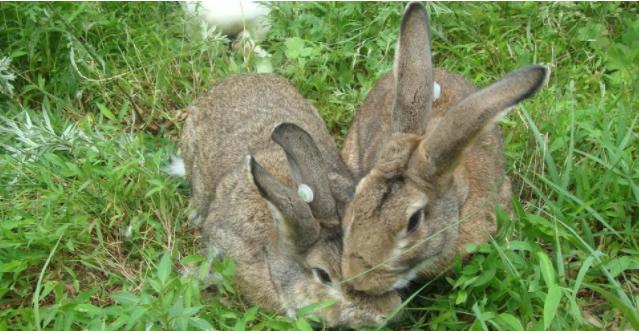
Key points of hare farming technology: teaching you how to raise hares well
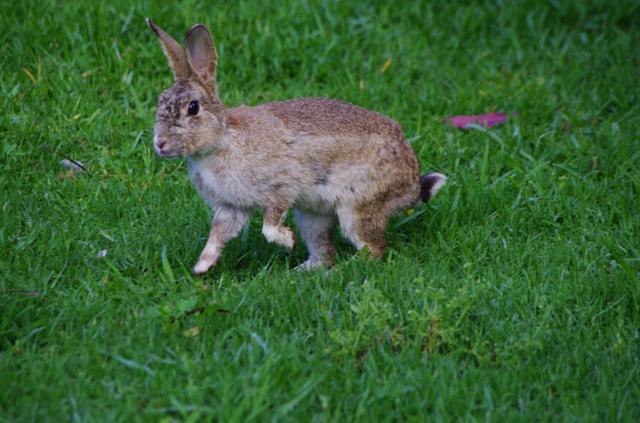
In recent years, there have been more and more hare farmers in rural areas. Compared with domestic rabbits, hares have advantages such as low farming costs, strong disease resistance, tasty meat, and good profit prospects. Because hare farming started relatively late in our country, rabbit farmers have very little farming experience. Recently, I consulted a great deal of material in detail and have gained a certain understanding of hares' living habits and farming technology. Today I will briefly summarize it, hoping to provide some help to the many rabbit farmers.
Hares' dietary habits
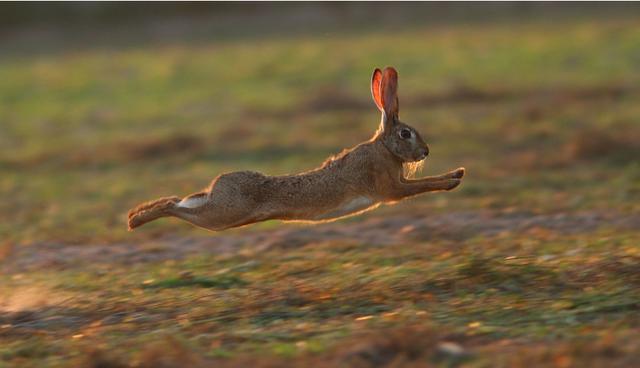
As is well known, hares basically feed on grassy plants, and domestic hares are no exception. Therefore, be sure not to feed hares too much artificial concentrate, as this is very unfavorable to the growth and development of hares. In the process of farming hares, rabbit farmers must ensure the supply of forage as much as possible, especially in the cold winter, when the forage supply is relatively low, rabbit farmers should make preparations in advance.
Living habits and patterns
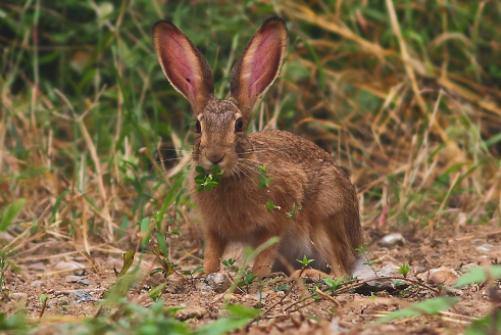
Hares are basically active at night, which is very different from domestic rabbits, so rabbit farmers must remember not to farm hares with the mindset and habits used for farming domestic rabbits. In the process of farming hares, rabbit farmers must ensure the supply of forage at night, so rabbit farmers will work harder.

In addition, because hares are timid by nature and panic at the slightest disturbance, try not to disturb them without reason during farming, and try not to let idle people enter the rabbit house, creating a quiet growing environment for the hares.
Breeding technology for female rabbits
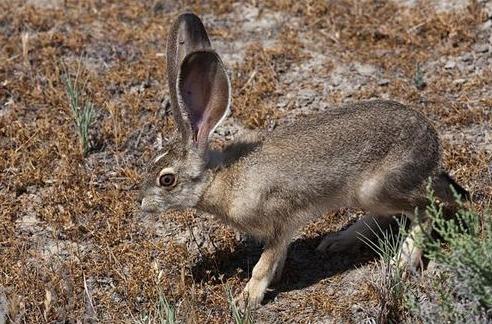
Spring is the best time for hares to mate and reproduce, but hares should not reproduce frequently. In the colder north, the best number of births for hares within a year is 4-5 times, and be sure not to exceed 8 times. During the reproduction process, it is necessary to ensure the supply of forage for female rabbits at night, so the survival rate of young rabbits will be greatly improved.
Prevention and treatment of diseases
Although hares' disease resistance is much stronger than that of domestic rabbits, some disease prevention measures are still needed. Practice has proved that it is not very easy for rabbit farmers to inject vaccines into hares, so I still suggest using oral vaccines. Preventive vaccines can be mixed into the food that hares like to eat, and at the same time attention should be paid to carefully choosing oral medicines.