How to choose chemical fertilizers? Practical tips for farmers when selecting fertilizers
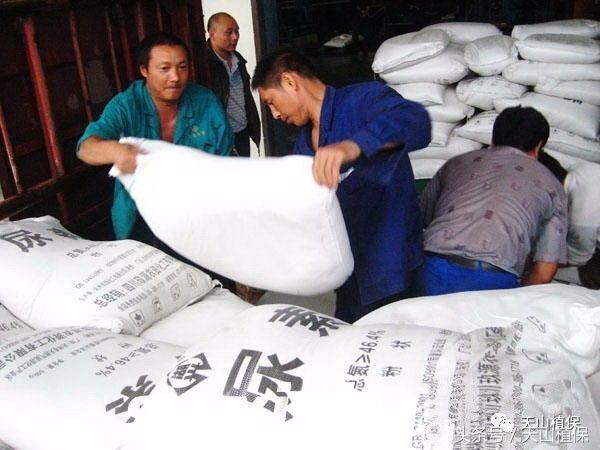
Fertilizers
1. Correctly identify counterfeit and inferior fertilizers, to avoid being deceived.
Nitrogen, phosphorus, and potassium macro-element fertilizers and high-content compound fertilizers are all products produced by legitimate manufacturers and meeting standards. Other compound fertilizers or blended fertilizers all have quality problems of counterfeit or inferior nature to varying degrees.You should master5identification methods:First lookwhether the production license number and registration certificate number are complete. Products with incomplete certificate numbers are generally produced by small individual workshops or underground illegal factories, and their quality is extremely unreliable;Second lookat the specific gravity and smoothness of the granules. The greater the specific gravity and the smoother they are, the greater the amount of adulterated ingredients;Third lookat the production date. The longer the storage time, the total nutrients of the fertilizer will gradually decrease;Fourth smellthe fertilizer odor. Generally, urea-type compound fertilizers have less odor and relatively stable nutrient content, while ammonium nitrate or ammonium chloride type compound fertilizers have a stronger odor, less stable nutrient content, and poorer use results.
2.You should master the types and characteristics of chemical fertilizers.
Today's chemical fertilizers are no longer just the old three types of urea, diammonium phosphate, and potassium fertilizer. In recent years, many compound fertilizers and special-purpose fertilizers have been added. You should understand the content and functional roles of nitrogen, phosphorus, potassium, and trace elements in various fertilizers, and choose good chemical fertilizers according to your actual needs.
3. You should choose chemical fertilizers according to soil fertility.
You should implement soil testing and formula fertilization, master the soil type, nitrogen, phosphorus, and potassium content, organic matter content, and other conditions of your own land, adapt measures to local conditions, supplement whatever is lacking and supplement as much as is lacking, and use chemical fertilizers scientifically and reasonably.
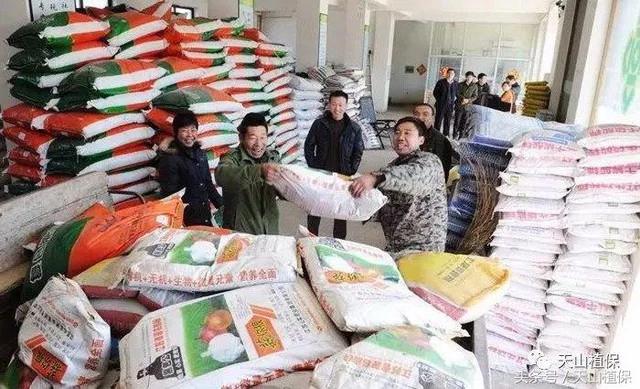
Fertilizers
4. You should purchase fertilizers according to the fertilizer requirements of different crops.
Corn, soybeans, rice, vegetables, melons and fruits, etc. have different types and quantities of fertilizer needed during growth and development, and cannot be treated uniformly. In recent years, scientific research and extension personnel have developed various special-purpose fertilizers with good results. For example, special fertilizer for corn, special fertilizer for rice, etc., can be purchased according to need.

Fertilizers
5. You should prevent counterfeit and inferior chemical fertilizers from harming farmers.
When farmers and friends buy chemical fertilizers, they should buy from reputable manufacturers and distributors. When purchasing, they should clearly check the product label, such as product name, trademark, content, net weight, manufacturer, etc.
Understand whether all three certificates are complete and whether inspection is qualified. After purchase, ask for purchase receipts and reputation cards. Do not buy chemical fertilizers from individuals.
Source: Planting Little Farmer, some content has been revised, image and text editing and organization: Tianshan Plant Protection, please indicate the source when reprinting!