How is fox farming done? First, understand these farming conditions
Every winter, there are many people on the streets wearing fur. Fur has good warmth retention and is relatively expensive, so the fur industry is thriving. Where does fur come from? It turns out that most of the good fur is processed from the pelts of foxes and the like. As people's living standards improve, the purchase rate of fur has greatly increased, which has spurred many people to farm foxes.


On the market now, good fox fur sells for more than 500 yuan per pelt, and average-quality fur can also reach 300 yuan per pelt. Therefore, the fox farming industry has relatively high profits. However, the level of fox farming in China is currently uneven, with emphasis on sales volume rather than quality, so the quality of fox fur on the market has dropped a lot. Therefore, fox farming still requires careful and meticulous breeding, improving quality, and selecting good breeding stock in order to sell at a higher price.
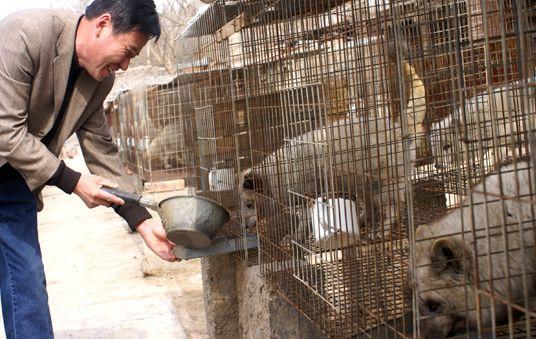
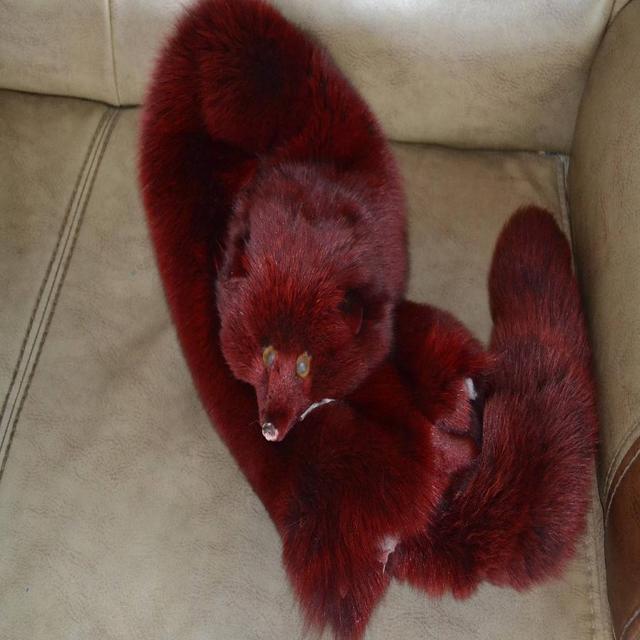
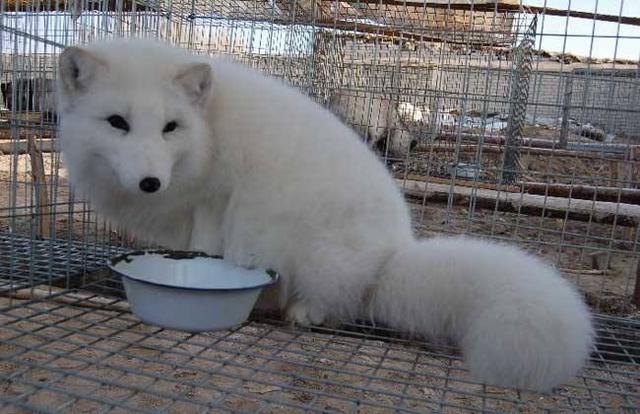
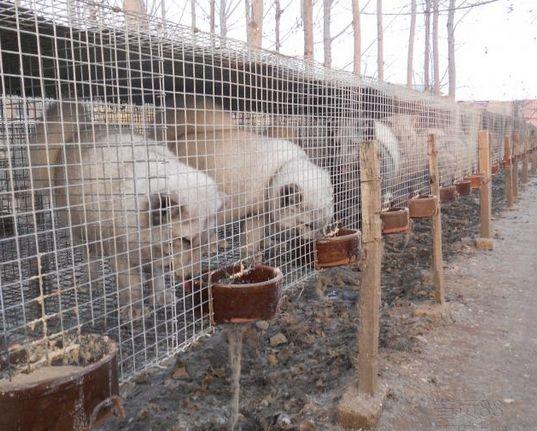
Agricultural fox farming: Fox farming can generally only be done in northern China. Most of the foxes farmed by farmers are silver foxes, whose fur is white, pure white and beautiful. Fox farming is all done in cages, which facilitates management. Fox feed is generally animal feed and plant feed, fed in combination with each other. February to March each year is the key period for silver fox mating, and breeding foxes need to be provided with easily digestible feed. The general farming cycle for foxes is 5-6 months, at which point the fox fur can reach a relatively good length.
The rural farming market is broad, but farming carries risks, and investment requires caution.