Detailed guide to freshwater shrimp farming: easily raise plump, delicious shrimp
The oriental river prawn is the freshwater shrimp with the largest output in China. Its flesh is tender, its flavor is delicious and it is rich in nutrients, and it also has medicinal value, making it highly favored by people. Let us introduce the farming techniques for delicious freshwater shrimp!
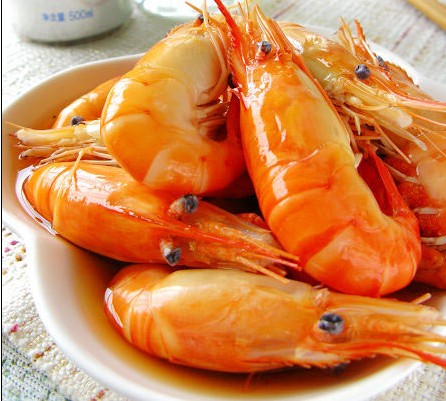
1. The habits of farmed shrimp. The oriental river prawn lives widely in lakes, ditches and rivers, and most prefers to inhabit shallow waters with abundant aquatic plants. It is an omnivorous animal; the larvae mainly feed on plankton, while adult shrimp mainly feed on the decaying stems and leaves of aquatic plants. The oriental river prawn generally mates and lays eggs between July and September, laying 800 to 1200 eggs each time. Because the fertilized eggs receive good protection from the mother, the natural hatching rate is above 92%. The larvae molting 3 to 4 times become juvenile shrimp. Juvenile shrimp need only 2 to 3 months to mature and lay eggs. The oriental river prawn has strong reproductive capacity; after the female shrimp lays and hatches eggs, it can quickly lay eggs again.
2. Farming of the oriental river prawn. There are two methods for farming the oriental river prawn: one is to directly stock the prawns, with 500 to 800 female shrimp and 300 to 500 male shrimp per mu, stocked at the end of April or the beginning of May. The second is to stock artificially bred juvenile shrimp: first use a pond of about one mu as a breeding pond. Before the Start of Summer, catch 10 to 12.5 kg of egg-bearing parent shrimp from an external river, select from them robust individuals with a large egg load and put them into the pond, and place aquatic plants or poplar roots in the pond. During the spawning period, feed a small bucket of soybean milk (about 1 kg of soybeans) each morning, then add a bucket of slurry water of rapeseed cake or sugar dregs (about 5 kg dry product). Twenty days after the juvenile shrimp hatch, 250 juvenile shrimp can be bred. For artificially reared oriental river prawns, the yield per mu can reach 15 to 25 kg, and for high yields it can reach 40 to 50 kg.
3. Bait supply. The oriental river prawn has a fairly omnivorous diet. During artificial rearing, all kinds of artificial feed can be fed, such as river snails, silkworm pupae, fly maggots, fish meal and so on, while plant-based feed includes soybean cake, rice bran, wheat bran and distillers' grains and so on. The best feeding time is 5 p.m.; the bait can be evenly scattered around the shrimp pond in an appropriate amount, so as to prevent the oriental river prawns from killing each other because of hunger.
4. Artificial farming ponds. Artificial farming of the oriental river prawn requires building shrimp ponds. General fish ponds can be used as shrimp ponds, with an area of 2 to 6 mu, a water depth of 1.2 to 1.5 m, and a flat sandy-mud bottom with not too much silt. The shrimp pond should be close to a water source and convenient for drainage and irrigation. The oriental river prawn has poor swimming ability, so some submerged plants such as shrimp algae should be grown in the shrimp pond to provide habitat for the shrimp, but the area should not exceed 25% of the water area; branches can also be placed in the pond for the shrimp to hide, preventing losses of shrimp fry. Before stocking, tea seed cake, croton, bleaching powder, derris extract or other drugs are usually applied to kill harmful fish and large aquatic insects in the pond, avoiding predation by enemies. The shrimp pond should have its routine patrol management strengthened, to prevent the pond bank from collapsing, seepage, or predation of the oriental river prawn by water birds and water rats. Once a large number of juvenile shrimp are found jumping and swimming on the water surface, or climbing at the pond edge, it indicates that the dissolved oxygen in the pond is low and the metabolic products are too high, which will cause mass death of the oriental river prawns, and the water must be changed immediately to increase oxygen.