Pork prices are so high, so why is pig farming still not profitable?
There are many factors that cause pig farmers to make no money from raising pigs. At present, the main reasons for the low efficiency of small-scale pig farming in rural areas, especially among farming households, are the following:
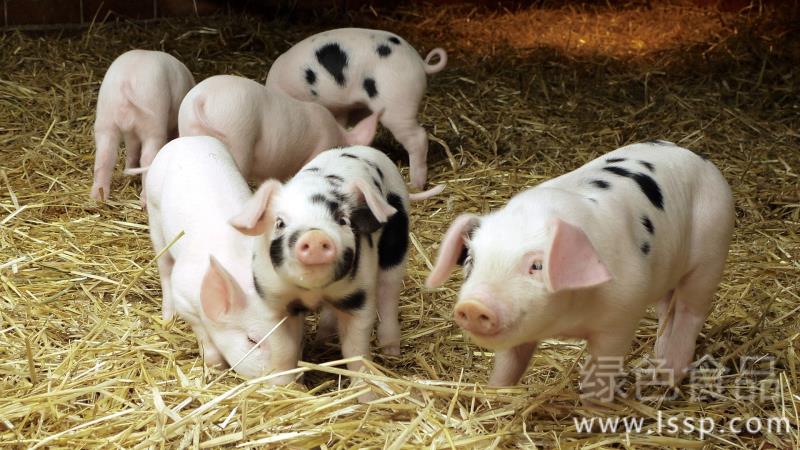
Pig farming
1. Poor breeds. Many farming households are accustomed to raising local crossbred pigs, but local crossbred pigs are prone to spreading diseases, also increase feed consumption, and their meat quality is poor, so they cannot meet consumers' demand for new and superior products. Moreover, the difference in returns between raising one local crossbred pig and one improved crossbred pig is quite large, with at least 100 yuan less income per pig.
2. Single feed. The raw materials in pigs' feed formulas are incomplete or the formulas are unreasonable, lacking some necessary protein feed or other nutrients required by pigs, which increases the feed-to-meat ratio and lowers feed returns. When mixed feed is used to feed pigs, the feed-to-meat ratio is 2.8:1 or 3:1, while when farming households use only corn or rice to feed pigs, each 1 kg of weight gain requires the consumption of 6-7 kg of corn or rice.
3. Neglect of epidemic prevention. Some pig farmers, hoping to save money, take a gamble and are unwilling even to vaccinate pigs against the most common major infectious diseases. Some farming households do pay attention to certain infectious diseases with high mortality rates that can cause losses, but they often overlook those diseases with lower mortality rates and relatively mild clinical symptoms. Little do they know that although these chronic diseases may not cause death, they greatly affect pigs' absorption and utilization of feed and cause slow growth and development.
Pig
4. Neglect of deworming. Frequent contact with the ground, plus feeding with green feed and raw feed, makes pigs highly susceptible to parasitic diseases such as ascariasis. In particular, Ascaris lumbricoides parasitic in the small intestine of pigs can cause ascariasis pneumonia, enteritis, intestinal obstruction, intestinal ascariasis and other diseases. In mild cases, pig growth is hindered, development is poor, or runt pigs form, and the weight gain rate decreases by 30%; in severe cases, it can cause death.
5. Keeping pigs on the farm too long. It is uneconomical to keep pigs until they reach 100 kg without selling them. Pigs grow quickly in the early stage, and after the peak period the growth rate declines and then becomes slow, or even stalls; this is the developmental pattern of pigs. When a pig's body weight exceeds 100 kg, feed returns decrease, and the maintenance requirement for pig growth increases greatly. If they are not sold in time, the loss will be even greater.