How to do a good job in daily dairy cattle management? Three measures to ensure the healthy growth of dairy cattle
In the process of raising dairy cattle, there are many management techniques and measures that need attention. For breeding, the key issue is how to ensure the healthy growth of dairy cattle. Only when dairy cattle grow healthily can they bring high returns to farmers.
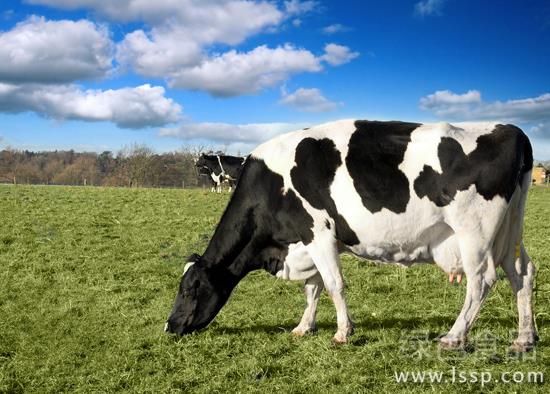
Dairy cattle
1. Brush the cow's body regularly.
The purpose of brushing a dairy cow's body is to improve blood circulation and enhance metabolism. Persist in brushing 1-2 times a day. Do it before milking. Use a horse-tail root brush and a soft-bristle brush, brushing from front to back and from one side to the other. First brush against the hair, then with the hair. After every few strokes, use an iron curry comb to scrape off the dirt on the cow's body, then continue brush stroke after brush stroke until the whole body is covered. In hot summer, clean water can be used to brush the cow's rump, tail, external reproductive organs and the surrounding areas that are soiled by manure or mud. In cold weather, brush dry as much as possible; dairy cattle must not be washed with water to prevent catching a cold. Usually, the cow's hoof wall and hoof cleft should also be kept clean, and attached dirt should be removed. To prevent the hoof wall from cracking, petroleum jelly or similar oils can often be applied. If the toe is too long, trim it promptly; normal hoof trimming is generally done once each in spring and autumn every year.
2. Prevent heatstroke and cold.
Dairy cattle are not afraid of cold but are afraid of heat, so in summer the main focus for dairy cattle is preventing heatstroke and cooling down. Electric fans can be installed in the barn to speed up air circulation inside. Relative humidity should be below 85%. Sprinklers can be installed on the barn roof to spray water on the cattle for washing and bathing, helping the cow's body dissipate heat. Trees can be planted around the barn and on the exercise yard for shade. The ration should be reasonably matched, the ration concentration can be appropriately increased, more green and succulent feed should be fed, and enough fresh cool water should be provided. In winter, wind protection is needed, with special attention to drafty wind or sneak wind, and excessive humidity should be avoided. In addition, dairy cattle should also be given cold water at a temperature of at least 12°C.
3. Ensure sufficient exercise.
Exercise can strengthen the constitution of milk-producing cows, especially barn-fed cattle, and an appropriate amount of exercise must be ensured. If exercise is insufficient, the body condition is likely to become too fat, affecting milk yield and reproductive capacity, and even causing diseases such as difficult calving and retained placenta. Therefore, for dairy cattle, in addition to persisting with 2-3 hours of driving exercise every day, on sunny days after each milking and feeding, they should also be put on the exercise yard to let them move freely.