Fish Disease Prevention Is More Important Than Treatment: Detailed Explanation of Prevention Methods and Measures
“Prevention is more important than treatment” is an important principle in fish disease prevention. Fish live in water, and their activities and feeding are difficult for us to observe clearly. Once fish become sick, treatment poses certain difficulties. After falling ill, most fish lose their appetite, and medication cannot enter their bodies, so the therapeutic effect often falls short of the ideal. For oral medication treatment of fish diseases, it is limited only to sick fish that have not yet lost their appetite. In addition, drug treatment for large water surfaces, lakes, and reservoirs currently cannot be carried out. Some fish diseases, such as diplostomiasis and sporozoosis, cannot be effectively treated by drugs once they occur. Therefore, the prevention of fish diseases is of particularly important significance.
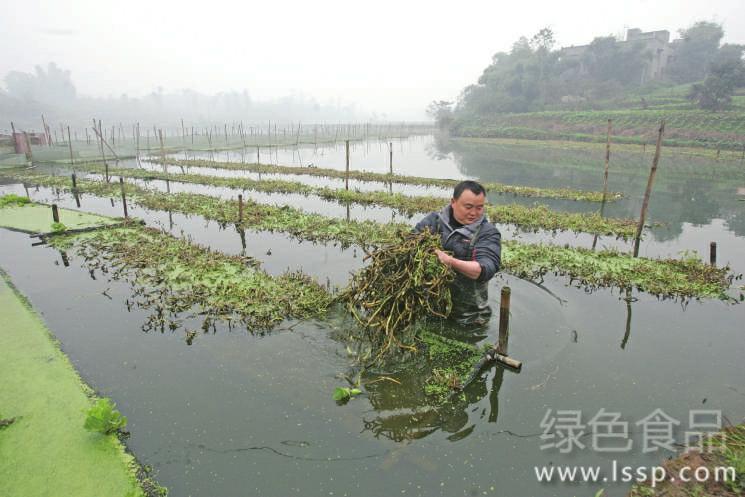
Clearing and Maintaining Fish Ponds
I. Clearing and Renovating Fish Ponds
The quality of fish pond conditions directly affects the growth and survival of fish. Therefore, improving the environmental conditions of fish ponds is an important part of preventing fish diseases and increasing production. Clearing and renovating fish ponds is one of the effective measures for improving pond environmental conditions. Overall, mechanical pond clearing has the following benefits:
1. Reducing fish diseases. Clearing and renovating fish ponds can remove various pathogens, intermediate hosts, snails, mussels, and blue-green algae from the pond bottom sediment, thereby reducing the occurrence of fish diseases.
2. Turning lean ponds into fertile ponds. After clearing and renovating, the aeration conditions are improved, the mineralization of humus is accelerated, and organic matter is converted into nutrient salts, thereby achieving the goal of turning a lean pond into a fertile one.
3. Increasing stocking capacity. After removing the sludge from the fish pond, the water storage capacity increases, and the stocking capacity increases accordingly.
4. Consolidating pond embankments and increasing risk resistance. The sludge removed can be used to raise and reinforce embankments, reducing seepage, which helps increase fish pond yields.
5. Increasing farmland fertilizer. The humus soil at the pond bottom is excellent fertilizer for farmland.
Chemical pond clearing:
There are many types of chemicals, with commonly used ones being quicklime and bleaching powder. Dry pond clearing: quicklime at 100-150 jin/mu, which can be spread dry or dissolved and splashed; bleaching powder at 10-15 jin/mu, dissolved and splashed over the entire pond. Clearing with water in the pond: calculated at a water depth of one meter, quicklime at 250-300 jin/mu, bleaching powder at 20-30 jin/mu; the amount can be adjusted appropriately according to the actual water depth. Splashing quicklime not only kills various pathogens but also regulates water quality and provides indirect fertilization.
II. Strengthening Feeding and Management
Wherever the “Eight-Character Intensive Culture Method” is skillfully applied, especially the aspects of “water, bait, density, prevention, and management,” fish diseases will be reduced or will not occur. Therefore, these important aspects must be carefully addressed, and feeding management must be closely integrated with fish disease prevention and control so that fish will develop fewer or no diseases. If these aspects are neglected or relaxed, even with better prevention and treatment drugs and methods, the problem of fish diseases cannot be thoroughly solved. Feeding management mainly involves the following work:
1. Pond inspection: Fish are raised in fish ponds, and water is the external living environment for fish. Due to the influence of biological, physical, and chemical factors, it has an extremely important relationship with the growth and development of fish and their ability to resist diseases. Inspect the fish pond every morning, noon, and evening to understand the specific conditions of the pond and take timely measures. Pond inspection mainly involves observing fish activity, fish feeding, and water quality changes. Keep records of pond inspections to facilitate summarizing experience for improvement and enhancement.
Feeding Fish in the Pond
2. Rational feeding: The quality of feed and feeding techniques are key to affecting pond fish yields. Based on the fish species being raised, different growth stages of the fish, pond fish activity, as well as season, weather, water temperature, water quality, and other conditions, select feed produced by reputable manufacturers with reasonable prices and acceptable quality, and feed sufficient quantities at appropriate times and appropriate locations in the pond. This is what is commonly called the “Four Fixeds” of feeding: fixed quality, fixed quantity, fixed time, and fixed location.
3. Eliminating the spread of pathogens: Timely detection of disease conditions and prevention of the spread and transmission of pathogens is an indispensable part of the entire feeding management work. When fish diseases are discovered, they must be dealt with promptly, which can reduce the occurrence and development of fish diseases.
III. Carry out drug prevention based on season, water temperature, fish disease prevalence, and other factors. The methods include hanging medicine bags at feeding grounds or splashing, and feeding medicated bait, etc.