Key points of goat barn feeding technology, solving the problem of limited environments for traditional grazing
Goat farming is a short, quick and profitable project for the broad masses of herders to increase income and become prosperous. However, with the expansion of breeding scale, traditional grazing farming easily causes ecological damage due to overgrazing of grassy hills, grassy slopes and shrub forests. In recent years, many regions have successively restricted grazing-based goat farming from the perspective of protecting the ecological environment and forests. Barn feeding of sheep has now become the main way out for the broad masses of large-scale sheep farmers.
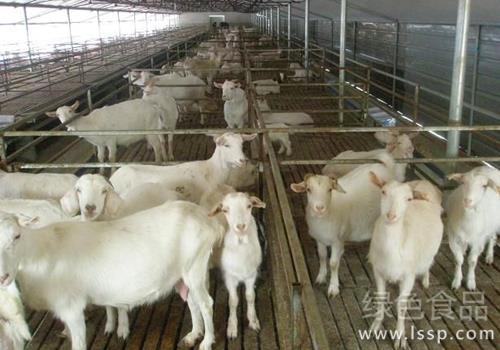
Barn feeding in rocky mountain areas
For barn feeding of sheep, prevention should be given priority, with prevention more important than treatment. Regularly carry out disinfection, deworming, immunization and vaccination of goats to ensure healthy production of the goat herd. Every two weeks, disinfect the drinking troughs and feed troughs once with 0.1% potassium permanganate water. Disinfect the pens once every half month. Commonly used disinfectants include 10-20% lime milk and 20% bleaching powder solution, with about 1 liter used per sq m of sheep housing, sprayed with a sprayer on the ground, walls and roof. Thoroughly disinfect empty pens 2-3 times each year. Disinfection procedure: clean → rinse → spray with caustic soda water → rinse the next day, and leave the pen empty for 5-7 days. When an epidemic occurs, thoroughly disinfect according to regulations.
Deworming. Deworm once each in spring and autumn every year. In areas with severe parasite problems, deworm 3-4 weeks after ewes give birth. After lambs are weaned, they are susceptible to parasite infestation, so protective deworming should be carried out. Medicated bathing is an effective measure for preventing and controlling external parasites of sheep, especially sheep mange. The bath solution can use 0.025%-0.05% amitraz emulsion, 5-15 mg/liter deltamethrin solution, etc. Medicated bathing should be done on a clear and warm day. Eight hours before bathing, goats should stop feeding, and 2-3 hours before bathing, let the sheep drink enough water to prevent poisoning from accidentally drinking the medicated water after entering the bath. Bathe healthy sheep first, then sheep with parasites; the medicated liquid should submerge the whole body of the sheep, and press the sheep's head into the medicated liquid 1-2 times; after bathing, let them drip for 20 minutes. Ewes pregnant for more than 2 months cannot be given medicated baths.