8 key points for the safe overwintering of broodstock shrimp: raise them well and get high breeding returns
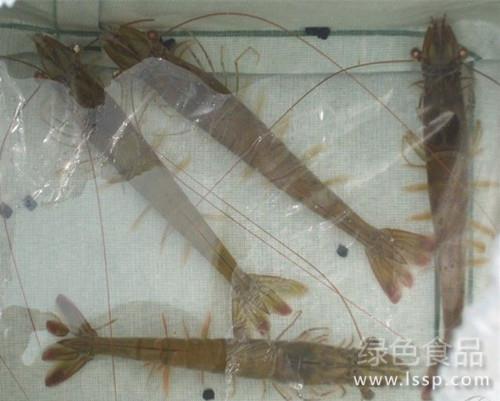
Broodstock shrimp
1. Strict selection:Broodstock shrimp overwintering lasts a long time, so strict selection is required. Selection criteria for broodstock shrimp: large body, healthy, free of disease and injury, and free of deformities. Female shrimp should be 14 cm in body length, and male shrimp 12 cm or more. Practice has shown that large individual broodstock shrimp raised at low density have a high survival rate or utilization rate. Newly molted soft-shelled shrimp cannot be used as broodstock.
2. Disinfection upon entry:When the broodstock shrimp are put into the pond, at a water depth of 20 cm to 30 cm, add 100 to 150×10-6 formalin or 20 g/cubic m potassium permanganate and soak for 1 hour, then gradually fill the pond with water.
3. Temperature regulation:Practice has proven that not heating with coal in winter and instead directly filling the pond with deep well water for culture will cause phenomena such as broodstock shrimp becoming thin in spring, blurred edges of egg ribbons, scattered spawning, and low hatching rates. Therefore, after the broodstock shrimp are put into the pond, begin raising the temperature when the water temperature naturally drops to 8°C. In winter, the water temperature should be kept stable at 8°C to 9°C, with a day-night temperature difference of less than 1°C. When changing water, the temperature difference must not be too large; the seawater should be preheated first. It is best to have heating indoors so that the room temperature is slightly higher than the water temperature, and use facilities such as straw curtains on the roof for insulation.
4. Feed treatment:During the overwintering period, the feed for broodstock shrimp should mainly be fresh and unpolluted shellfish, squid, mixed fish and shrimp meat, sandworms, etc., among which live sandworms have the best effect. If frozen products are used, a certain amount of live feed must be included. Before feeding, the feed should be rinsed clean or soaked in potassium permanganate. When feeding sandworms, soak them in fresh water for several tens of minutes to kill parasites. Frozen aquatic products must not be used alone; multiple kinds should be mixed to provide complementary nutrition, which is beneficial to gonadal development of broodstock shrimp and improves the spawning rate and hatching rate.
5. Water quality regulation:During the overwintering period, the water temperature control indicators are: salinity 23 to 35, ammonia nitrogen 0.5 mg/L, dissolved oxygen 4 mg/L, chemical oxygen demand below 3 mg/L, and heavy metals and other pollutants within fishery water quality standards. Water should be changed regularly, waste suctioned, and aeration provided, with a daily water exchange rate of 20% to 30%.
6. Indoor lighting:Generally below 500 lux; in addition to shading with straw curtains on the roof, black plastic film or black cloth should be used to cover above the culture ponds. When carrying out operations such as changing water, brushing the ponds, and feeding, do not let the light be too strong either, so as not to affect the overwintering of broodstock shrimp.
7. Disease prevention and medication:Abuse of medication will cause broodstock shrimp to overwinter in a "medicine jar," and when seedlings are raised in spring, there will be many dead shrimp, few eggs laid, or no eggs laid. Correct disease prevention measures: (1) Soak the pond water with 10 g to 20 g/cubic m bleaching powder for 5 to 7 days. (2) Disinfection of broodstock shrimp: regularly splash antibacterial drugs such as oxytetracycline. (3) Every week or every other week, splash a combination of methylene blue 0.05 g to 0.1 g/cubic m and formaldehyde 25 to 30×10-6 once. (4) For feed disinfection, use potassium permanganate 200 g to 500 g/cubic m. (5) Remove dead and diseased shrimp at any time to prevent cross-infection.
8. Graded culture:On the basis of normal management, select and grade according to the gonadal development of the broodstock shrimp, and culture them in separate ponds as appropriate. By properly adjusting the water temperature for gonadal development, promote synchronous development so that the number and timing of spawning are correspondingly concentrated, which facilitates production arrangements; generally, the daily temperature difference for raising or lowering the temperature is less than 1°C.