Piglet weaning stress is considerable, and the feeding method after weaning must be mastered
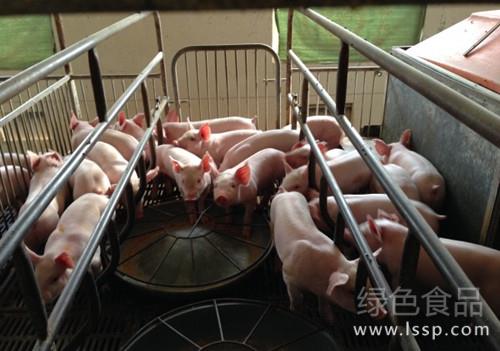
Piglets
1. Gradual transition by group. After piglets are weaned, adopt the method of not changing pens and not mixing litters; after the sow leaves the pen, the piglets remain in the original pen. Never immediately mix several litters of piglets together after weaning, so as to avoid affecting piglet growth due to the double stimulation of weaning and fighting. Generally, it is better to move or divide piglets into pens after they reach 3 months of age.
2. Gradual feed transition. After piglets are weaned, the feed cannot be changed immediately; within 2-3 weeks, still feed suckling pig feed without changing the feed. After about 1 week, gradually increase the piglet feed, and after 2 weeks transition to feeding all weaned piglet feed.
3. Gradual transition of feeding method. In the early stage after weaning, still feed according to the feeding frequency and method used during the suckling period, with small meals more often, and persist with nighttime supplementary feeding to avoid stress; after 2 weeks, gradually reduce the frequency. If feed intake is not restricted, piglets are prone to indigestion, leading to diarrhea. Each feeding amount should be flexibly controlled according to piglet feed intake, feces and activity.
1. Feed according to piglet feed intake. At the 2nd meal, if there is still feed powder left in the trough, with no small piles of powder or pellet feed, it indicates the previous meal was appropriate; if there is no feed in the trough and the bottom of the trough is moistened with saliva, it indicates the previous feeding amount was too small and should be increased; if there are leftover pellets in the trough, the feeding amount should be appropriately reduced.
2. Feed according to the state of piglet feces. Within 3 days after weaning, piglet feces changes from coarse to fine, and from yellow to brown; this is normal. The observation time for feces is generally from 12:00 to 15:00. If the feces becomes soft, glossy and shiny, and the color is normal, the feeding amount is appropriate. If there is a small amount of yellow feces in the pen containing feed particles, it indicates that individual piglets have overeaten, and this feeding amount should be reduced by about 20% compared with the previous time. If the feces is pasty and light gray, with scattered yellow, and contains undigested feed, it indicates that the whole litter of piglets is about to have diarrhea, and they should skip one meal. The next meal should also be only half of that before the fast, and the second meal should be determined according to the situation. If most of the feces in the pen becomes soft and black, the feeding amount can be restored to 80% of the normal amount, and then restored to the normal amount at the next meal. If the feces is pasty and green, and the feces contains shed intestinal mucosa, etc., they should skip two meals; at the third meal, only scatter a small amount of feed on the bottom of the trough, then gradually increase the feeding amount, and after three days, gradually restore the normal amount.
3. Feed according to piglet activity: before feeding, if piglets rush to the trough when they hear a sound, calling constantly, it indicates they are hungry, and more feed can be given; if after about ten minutes of feeding the feed in the trough is snatched clean, and the piglets do not return to the pen but crowd and look around at the edge of the trough, it indicates the feed is insufficient and more can be given; sometimes piglets do not come to the edge of the trough before feeding, and their calls are small and weak, not panicked, indicating they are not very hungry, and less feed can be given.
4. After piglets are weaned, during the restricted feeding stage, the feed type must remain consistent with that during the suckling period, and sufficient clean drinking water must be supplied. The entire restricted feeding period is 7-10 days, after which change to feeding four times a day, and carry out immunization and vaccination well, disinfect the barn regularly, keep it dry and hygienic, and provide a good living environment.