What to do when beef cattle have diarrhea and are not acclimated after long-distance transport
Many friends who are raising cattle for the first time or who come to Shandong Province to buy cattle worry about what to do if the newly purchased beef cattle become unacclimated due to a different environment, changes in climate, surroundings, feed, and so on, as well as long-distance travel. A certain farm offers the following advice to cattle-raising friends:
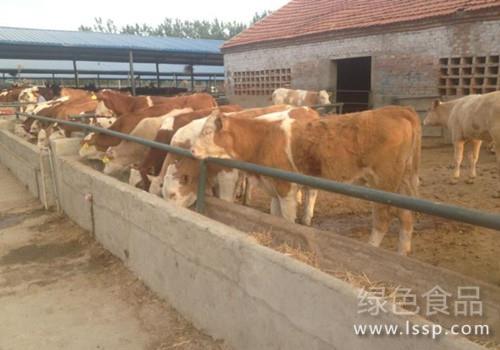
Beef cattle
1. After the beef cattle arrive at the destination, unload them at an open, flat site with an unloading ramp. Never unload the cattle near a pond or a sewage ditch; otherwise, because the beef cattle are thirsty from long-distance transport, they will jump into the pond or drink the sewage, causing injury or illness.
2. After the beef cattle get off the truck, let them rest fully. For the first 3 days, give them boiled water or warm water to let their stomach and intestines settle first. Add an appropriate amount of iodized salt to the drinking water and let them drink lightly salted water. Feed them high-quality hay, then feed a certain amount of bran water, and give Chinese herbal medicines for clearing heat and detoxifying, resisting colds, and strengthening the stomach. After 3 days, when the cattle's spirits have gradually recovered, let them eat green hay freely, and feed about 1 kg of concentrate per day.
3. After 1 week, carry out deworming and stomach strengthening, and wait until the cattle have fully recovered before vaccinating them. At first, use feed from the cattle's place of origin to feed the beef cattle, then gradually transition to local feed (the transition period is about 1 week). In fact, cattle, like other animals, need careful care. As long as cattle raisers pay attention to the details when feeding the cattle, the cattle will not show signs of being unacclimated.
4. If they are tethered and raised indoors, the beef cattle can be grouped by size and strength, and beef cattle from the same place of origin and the same batch are best tied together. After they are switched to normal feeding, focus on heat protection for beef cattle purchased from the north, and keep the cattle shed ventilated, cool, and dry. Never let the cattle live in a damp, stuffy environment, especially the cattle bed, which must be kept dry; otherwise, the cattle are prone to illness, which affects growth.
5. If diarrhea really occurs, quickly inject an anti-inflammatory medication (taking anti-inflammatory drugs is also acceptable), or add a mineral-containing powder to the beef cattle feed, mix it evenly, and let the cattle eat it.