Pollution-free squab farming and management methods make green food more popular with the public
As living standards rise, people's requirements for meat quality and taste are also getting higher and higher, so pollution-free or green meat products are deeply favored by consumers. The following introduces the farming and management techniques for pollution-free squab.
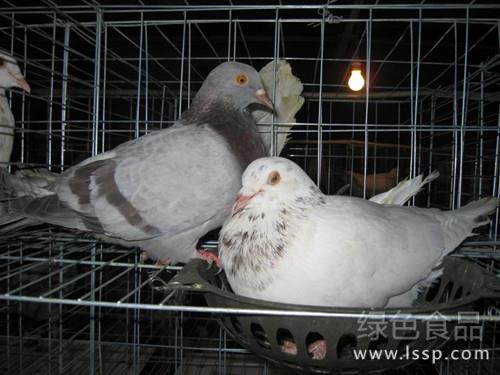
Squab
Site and pigeon house: The pigeon farm should be chosen in a place free from disease bacteria and "three wastes" pollution, with higher terrain, good drainage, and facing the sun while sheltered from the wind. Because squab are timid and easily startled, it is best to keep them away from busy urban areas; when building the pigeon house, it must be ensured that the house is dry and clean, with fresh air and good lighting and ventilation. Since straw and rice straw easily become damp and moldy and spread disease, the pigeon house is best built with a brick-and-wood or earth-and-wood structure.
Rearing method: Wire-mesh floor rearing is suitable for young pigeons. Compared with pen rearing, wire-mesh floor rearing can both ensure that the squab have ample space for activity and isolate pigeon droppings and debris from the activity area, reducing the incidence of disease. For paired breeding pigeons and breeding pigeons in the brooding period, three-tier cage rearing is best. Keep a certain distance between pigeons to prevent cross-infection of disease and ensure good ventilation and light transmission.
Feeding method: The most important part of raising pollution-free squab is feed formulation. Feed such feeds as corn, sorghum, peas, wheat, and hempseed, and avoid compound feeds such as accumulated feed and pressed feed, so as not to affect the taste and quality of the squab. Pollution-free farming requires that the feed be non-toxic and unpolluted; feed that has been eaten or gnawed by rats or parasites or has become moldy cannot be used, so there are strict requirements for the source of the feed. The best choice, of course, is grain from a pollution-free production base. Feed formulation and feeding methods are related to the growth and development of squab and their nutritional needs, and are closely related to the health and quality of the squab, so attention should be paid to them.
Providing health sand: Health sand is an indispensable additive in raising squab and can supplement various vitamins and trace elements. Health sand should be mixed and used fresh to ensure freshness. Generally, after mixing coarse sand, shell powder, bone meal, red clay, etc. (in an amount sufficient for the pigeons to eat for 3 to 4 days), the ingredients that are used in small amounts and are easily oxidized or deliquescent are mixed in before feeding the health sand each day to ensure quality. The container holding the health sand is best made of ceramic or plastic products, not metal containers, so as to avoid chemical reactions between the metal and the health sand.
Drinking water: Squab have high requirements for water, and the water supply must be guaranteed to be clean and unpolluted, especially for young pigeons and milk pigeons, because young pigeons rely on pigeon milk to live, and water quality will directly affect the health of milk pigeons. When designing drinkers, hygiene needs should be considered to avoid feathers and droppings falling into the water.
Pigeon bathing: In addition to ensuring an adequate drinking water supply for the squab, the pigeons must also be given regular baths. Bathing can keep the squab's feathers clean, prevent infestation by external parasites, and stimulate the pigeons to secrete growth hormones, promoting growth and development.