Detailed Explanation of Body Condition and Feed Formulas for Sows at Different Stages
Sow reproduction can be divided into 5 stages: the replacement (gilt) stage, the weaned and open (non-pregnant) stage, early gestation, late gestation, and lactation. The selection and control of feed at these 5 stages should differ according to the condition of the sow.
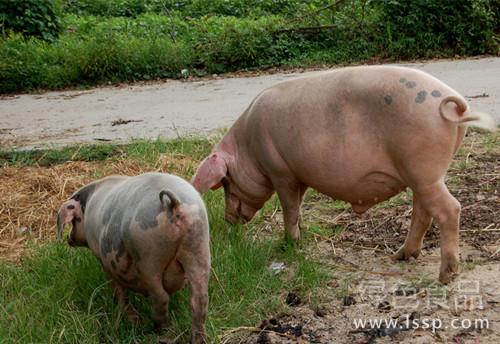
Pig
Replacement stage: Replacement gilts are in the stage of growth and development, so high-quality, nutritionally complete feed is crucial for the sow's body conformation development and reproductive system development. For sows younger than 6 months of age, in choosing feed, mix finishing pig feed (commercially sold complete pelleted extruded feed) with green feed at 1:1 and allow them to eat freely. For sows from 6 months of age to before mating, choose commercially sold complete pelleted open-sow feed and mix it with green feed at 1:1. At this stage, it is strictly forbidden to use cottonseed cake, rapeseed cake, and moldy feed that are harmful to the reproductive system. Properly restrict feeding to prevent the sow from becoming too fat, which would affect estrus and ovulation.
Weaned and open stage: The open stage refers to the period from normal weaning to before mating. After weaning, sows generally can come into estrus and be mated in about 1 week. Improper selection and control of feed at this stage will affect the sow's reproductive cycle. Open sows often show weaning stress 1-3 days after weaning, which can easily cause mastitis, high fever, and other conditions. At this time, controlling the daily feed amount according to the fatness or thinness of the weaned sow is very important. Feed 2 meals per day, with fixed amounts, and never allow free feeding, which could cause the above conditions. The choice of feed also must not be changed suddenly. Commercially sold finishing pig feed or open-sow feed should be chosen. Within 3 days after weaning, gradually replace lactation feed with open-sow feed or finishing pig feed. Appropriately increase laxative wheat bran and succulent, tender green feed.
Early gestation: This refers to from successful mating to 80 days of gestation. Feed control at this stage promotes conception after mating and increases litter size. After mating, open sows continue to be restrictively fed, at fixed times and fixed meals, with daily feeding of 2-2.5 kg as appropriate (depending on the sow's fat or thin body condition), and green feed is appropriately increased. After feeding this way until 20 days, gradually restore the sow's normal feed amount. The feed selected should be commercially sold complete gestation feed. Do not feed moldy, spoiled, frozen, or irritating feed to prevent abortion.
Late gestation: This refers to the stage from 80 days of gestation to fetal delivery. At this stage the fetus develops rapidly, and calcium and nutrient requirements increase rapidly. Poor feed selection can easily cause sow paralysis and weak, sickly piglets. This stage is what is commonly called "flushing for the fetus." The feed selected should be gradually changed to lactation feed, and bone broth should be appropriately fed. If conditions permit, dried fat or soybean oil can be added to the daily feed to increase piglet birth weight and survival rate. The feeding method is fixed times and fixed meals, with quantitative intake, and daily feeding of 2.5-2.8 kg is appropriate (depending on the sow's body condition). In addition, note that pregnant sows should have feed increased or decreased 7 days before farrowing. For sows in top body condition, reduce feed on the basis of the original feed to avoid excessive and too rich milk after farrowing, which could cause incomplete suckling by piglets and lead to mastitis; for sows in poorer body condition, appropriately increase feed to meet the needs of postpartum lactation.
Lactation period: This refers to the stage from farrowing to weaning. The selection and control of feed during lactation is the top priority of the entire production process. Sows are not fed on the day of farrowing. After farrowing, feed some warm wheat bran soup + Shenghua Tang pills (3-5 pills per time) + brown sugar salt water, fed 2 times in a row, to promote expulsion of lochia and quickly restore physical strength. On the second day after farrowing, feed the sow about 1 kg of feed, then increase the feed by 0.5 kg each day, until normal feed amount is restored on days 4-5. After appetite returns to normal, allow the sow to eat freely to ensure the piglets have enough milk and to maintain good reproductive performance. One week before the piglets are weaned, lactating sows can gradually have feed reduced, and lactation feed should be gradually replaced with open-sow feed. On the day of weaning, maintain the sow's daily feed amount at 2.4-2.6 kg. For lactation-period feed, choose commercially sold lactation feed, appropriately add soybean oil or dried fat to the feed, and supply green feed mixed at 1:1.